You know those moments when you just can’t get your brain to focus? Or when solving a problem feels like climbing a mountain? Yeah, we’ve all been there.
Cognitive skills are like the toolkit your mind uses daily. They help you think, learn, and even remember where you left your keys! Seriously, who hasn’t experienced that panic moment?
So, let’s chat about why these skills matter and how they shape our lives. Trust me; it’s more interesting than it sounds!
Exploring the 8 Essential Cognitive Skills in Psychology: A Comprehensive Guide
Cognitive skills in psychology are super important. They’re the mental processes we use to think, learn, remember, and solve problems. When you break it down, there are basically eight essential cognitive skills that play a role in how we navigate our day-to-day lives. Let’s explore them!
1. Attention
This is all about your ability to focus on specific information while ignoring distractions. Imagine trying to study while your phone keeps buzzing. If you can tune that out and concentrate on your notes, you’re flexing your attention muscle.
2. Memory
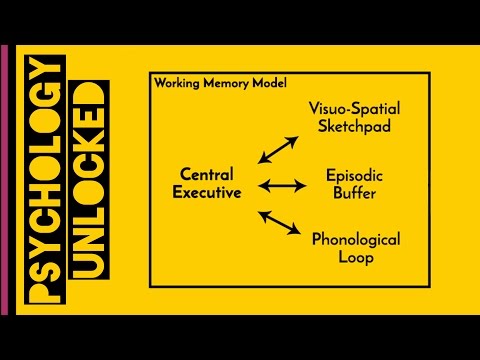
Memory isn’t just about remembering birthdays or where you left your keys. It includes different types: short-term, long-term, and working memory. For example, when you memorize a grocery list just before heading to the store—that’s working memory doing its thing!
3. Perception
Perception involves how you interpret sensory input from the world around you. It’s not just seeing something; it’s how you make sense of it all. Like when someone tells a joke and you get it right away—your brain is processing those words and inferring meanings quickly.
4. Reasoning
This skill helps in drawing conclusions based on the information available to you. Think of it as connecting dots; if A leads to B and B leads to C, then A must also lead to C! This kind of logical thinking is crucial for problem-solving.
5. Language
Language skills extend beyond vocabulary; they encompass how we understand and produce language too! Ever been caught off guard by a complicated sentence? That’s language processing at work—you’re figuring out what those words mean in context.
6. Executive Functioning
This includes higher-level processes like planning, decision-making, and managing emotions—basically the “CEO” of your brain! If you’re juggling tasks or deciding between options like choosing an outfit for a big event—your executive function is steering the ship.
7. Visual Processing
Visual processing refers to how we interpret visual stimuli from our environment—like reading maps or recognizing faces! If you’ve ever spotted a friend in a crowd without even thinking about it, that’s visual processing happening smoothly.
8. Problem Solving
This skill blends several others together—you’re using memory, reasoning, attention…all of them kind of team up here! Whether it’s fixing a leaky faucet or finding the best route for a road trip—problem-solving helps us navigate challenges effectively.
So there ya go—a quick rundown of those vital cognitive skills! They might feel like they operate behind the scenes but trust me, they shape so much of who we are and how we function every single day.
Unlocking Potential: Understanding the 7 Essential Cognitive Skills for Success
Understanding cognitive skills is like having a toolbox that helps you tackle different challenges in life. These skills are basically the mental processes your brain uses to function, solve problems, and absorb information. When you unlock your potential by honing these skills, it can seriously boost your chances of success in various aspects of life, from school to work and personal relationships.
1. Attention
Attention is about focusing on the task at hand while filtering out distractions. Imagine you’re trying to read a book in a noisy café. You have to ignore the chatter and focus on the words. People often talk about multitasking, but research shows that dividing your attention usually leads to mistakes. So it’s all about that single-minded focus!
2. Memory
Memory comes into play when you’re recalling information, whether it’s from yesterday or years ago. This isn’t just about rote memorization; it involves understanding and connecting facts together. Think back to when you learned something new—like a favorite song’s lyrics—you probably repeated them until they stuck in your head.
3. Processing Speed
Processing speed refers to how quickly you can absorb and respond to information. It’s like driving a car; if you’re cruising along smoothly, you can react faster to obstacles on the road. If you’ve ever been in a class where questions are thrown around quickly, noticing who keeps up well usually points toward strong processing speed.
4. Reasoning
Reasoning is crucial for problem-solving and decision-making—it’s all about making sense of information and figuring out relationships between things. Picture playing chess; each move isn’t just instinctual but based on predicting potential outcomes several steps ahead.
5. Visual-Spatial Skills
These skills help you understand how objects relate in space—think of navigating through a new city without getting lost! If you’ve ever tried assembling furniture using just an instruction manual, then visual-spatial skills were essential! Being able to visualize how parts fit together can save you loads of time.
6. Verbal Skills
Verbal skills encompass reading comprehension, writing abilities, and verbal communication. They’re important not only for expressing ideas but also for understanding others’ points of view—like when you’re having a heart-to-heart chat with a friend over coffee.
7. Emotional Intelligence
Lastly, emotional intelligence might not sound super “cognitive,” but it’s hugely important! It’s the ability to recognize your own feelings and those of others—to navigate social complexities with ease! For example, if you’re at work and notice a coworker’s frustration during discussions, responding with empathy can help diffuse tension and foster better teamwork.
So there you go! Each of these cognitive skills plays an essential role in our daily lives—from studying for exams to handling stress at work or maintaining friendships—and improving them could truly unlock your full potential!
Understanding the Importance of Cognitive Psychology in Legal Decision-Making
Cognitive psychology is a pretty cool field that dives into how we think, learn, and remember. You might not realize it, but it plays a huge role in legal decision-making. So, what’s the big deal? Let’s get into it!
First off, cognitive psychology helps us understand how people process information. In a courtroom, jurors and judges need to make sense of a lot of evidence. It’s not just about hearing the facts; it’s about figuring out what those facts mean and how they relate to each other. This processing can be influenced by biases or emotions, which can skew perceptions. Imagine a juror who has preconceived notions about someone from a certain background—these thoughts can deeply affect their verdict.
Next up is memory. Our memories can be tricky. Sometimes we think we remember something clearly, but our brains are just filling in gaps with assumptions. For example, if someone witnesses a crime, their recollection might be affected by stress or leading questions from police. This is why eyewitness testimonies aren’t always as reliable as you’d think—they can change over time!
Another key point is decision-making under pressure. In legal situations, decisions often have heavy consequences. Cognitive psychology reveals that people tend to rely on heuristics—essentially mental shortcuts—that help them make quick judgments. But these shortcuts can also lead to errors or misunderstandings because they simplify complex situations way too much.
And then there’s the concept of framing. How information is presented can totally change our reactions to it. For instance, if a lawyer frames evidence in a positive light versus a negative one, it may sway the jury differently even if the underlying facts stay the same. A classic example: saying “90% survival rate” sounds way better than “10% mortality rate,” even though they mean the same thing!
Cognitive biases also play into this whole mix—like confirmation bias. That’s when people favor information that reinforces what’s already in their beliefs while ignoring contradictory evidence. It’s super important for legal teams to be aware of this since it can influence everything from jury selection to case strategies.
In summary, cognitive psychology gives us valuable insights into how we think and make decisions within legal contexts. The implications are pretty vast! It’s clear that understanding cognitive processes can help create fairer legal systems by addressing biases and improving decision-making techniques.
You see? It all circles back to how our minds work—what could possibly be more fascinating?
Cognitive skills are, like, super interesting when you think about them. They’re those mental processes that help us to take in information, process it, and then use it in practical ways. You know how sometimes you can just figure out a puzzle or solve a problem without even trying too hard? That’s your cognitive skills kicking in.
So, let’s break it down a bit. These skills include things like attention, memory, perception, reasoning, and decision-making. They’re not just words from a textbook; they’re what we rely on every single day. Whether you’re planning your week or trying to remember where you left your keys, you’re engaging those cognitive processes.
I remember this one time I had a big project due for school. I thought I could just wing it and cram the night before. But my brain was all over the place—totally unfocused and struggling to recall facts when I needed them most. It was kind of panic-inducing! If only I’d honed my attention and memory skills earlier on…maybe things would’ve turned out differently!
The significance of these skills can’t be overstated. They shape our ability to learn new things and adapt to different situations. For instance, when you’re making decisions—like what movie to watch or what job offer to take—you’re weighing pros and cons based on past experiences (that’s memory) while also analyzing new info (that’s reasoning). A little bit of cognitive flexibility helps too; being able to switch gears when something doesn’t go as planned is golden.
Furthermore, cognitive skills are vital for social interactions as well. Ever noticed how some people seem to read a room effortlessly? That’s their perceptual abilities at work! They’re picking up on non-verbal cues and adjusting their behavior accordingly—it’s like an unspoken dance that helps them connect better with others.
In short, cognitive skills are essential tools in our mental toolbox that help us navigate life seamlessly—or at least with a little less chaos! Improving them can enhance not just learning but also everyday interactions and decision-making abilities. By nurturing these skills through activities like puzzles, reading, or even strategic games, we can make everyday tasks feel more manageable—and maybe even less stressful! So it’s worth taking some time to develop your own cognitive toolkit!