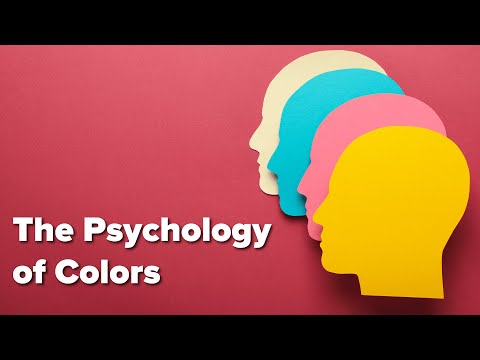
You know how sometimes a color just hits you in the feels? Like, a bright yellow can instantly lift your mood, while a deep blue might make you feel all chill? It’s wild how colors can vibe with our emotions and even sway our behavior.
Think about it. When we step into a room painted in warm reds and oranges, we often feel energized. But put us in a space full of calming greens or blues? Suddenly, we’re ready to relax.
Colors aren’t just pretty; they have this crazy power over us. They can motivate us, soothe us, or even make us hungry! Seriously, there’s so much more behind those hues than we realize. It’s pretty fascinating stuff!
Exploring the Psychological Effects of Color on Emotions and Behavior
Colors are more than just visual treats; they can shape our emotions and even influence our behavior. Think about it. Ever walked into a room painted in soft blues and felt instantly relaxed? Or how about a bright yellow space that just makes you feel happy? There’s some real psychology going on here.
When we talk about color psychology, we’re basically looking at how different colors affect us on an emotional level. Some colors tend to evoke specific feelings, and researchers have dived into this whole concept for decades now.
- Warm colors like red, orange, and yellow often bring up feelings of warmth, excitement, or even anger.
- Cool colors, such as blue, green, and purple, usually create a sense of calmness or tranquility.
- The intensity of color can also matter; brighter shades tend to be more energizing while softer shades are soothing.
One time, I was in this café that had walls painted in deep shades of green. It felt fresh and peaceful—almost like being surrounded by nature. This is not just coincidence; there’s actually a reason why green is linked to relaxation and balance.
But it gets even deeper! The context also plays a huge role. For example, red might signal danger or urgency in certain situations (think stop signs), but it can also symbolize passion or love when used differently (like in romantic settings). So the same color can stir up varied emotions based on how it’s presented.
Also consider cultural influences! In some cultures, white symbolizes purity; in others, it may represent mourning. The meaning behind colors can shift dramatically depending on where you are in the world!
Additionally, let’s not forget the impact these colors have on behavior. For example:
- Restaurants often use warm shades because they tend to increase appetite.
- Blue tones in offices can help boost productivity and focus.
- If you’re trying to chill out at home after work, painting your living room a soft blue or green might be just the ticket!
So yeah, the next time you’re picking out paint for your place or choosing what shirt to wear for an event, just remember: it’s not all about looks! Colors carry weight—they tell stories and evoke reactions that go beyond words.
In summary—colors influence emotions profoundly! Whether it’s calming blues helping you unwind after a long day or energizing yellows brightening up your mood—it’s fascinating stuff worth considering as we navigate our colorful world!
Exploring Kurt Goldstein’s Color Theory: Insights and Applications in Perception and Emotions
Kurt Goldstein was a pretty interesting figure in psychology, particularly known for his work on the concept of perception and how it ties into emotions. His color theory is a deep dive into how colors affect us—not just visually but emotionally too.
Goldstein’s Color Theory centers around the idea that colors can trigger certain feelings and behaviors in people. It’s like, when you see a bright yellow, it can lift your mood or make you feel more energized. But then again, if you see deep blues or blacks, you might feel more calm or even a bit sad. This connection between colors and emotions is basically about our innate responses to what we see.
- Emotional Responses: Different colors evoke different emotional reactions. For instance, red often symbolizes passion or urgency. You might notice this in marketing—think about all those red sale signs! On the flip side, green tends to represent tranquility and balance.
- Cultural Influences: It’s important to note that our reactions can also depend on cultural backgrounds. In some cultures, white signifies purity and peace; in others, it might represent mourning and loss. So context matters big time!
- Application in Art & Design: Artists have used this color-emotion link for ages. Ever walked into a room painted in soft pastels? It probably felt relaxing! Interior designers use colors strategically to create specific atmospheres.
When Goldstein talks about **perception**, he highlights that how we perceive colors is not solely biological but also shaped by experiences and context. Like, if you grew up surrounded by sunny summer days—those bright yellows might instantly bring back happy memories!
One fascinating story I remember was from an art exhibit where they painted one wall red and another blue. People were noticeably more energetic near the red wall while they felt more contemplative by the blue one. That’s the power of color influencing mood right there!
Another cool thing is **how colors interact with each other**; some combinations can totally change the vibe of what you’re feeling. A vibrant orange mixed with cool teal gives off such a fun energy compared to say… gray paired with brown—feels heavy, right?
So basically, Goldstein’s work shows us that color isn’t just decoration; it’s a part of our emotional language. Whether you’re picking out clothes or designing your workspace, think about how those colors might be making you feel.
In summary, Goldstein’s insights help uncover why certain colors tug at our heartstrings while others energize us. They play an essential role not only in art but also in how we interact with the world daily—like choosing a calming blue for your bedroom or an exciting red for your living room!
Exploring the Psychological Impact of Color on Human Behavior: Insights and Implications
Color is everywhere, right? It’s in our clothes, the walls of our homes, and even on our plates. But have you ever thought about how colors might influence your mood or behavior? There’s actually a pretty interesting relationship between color and psychology. Let’s break it down!
Emotional Responses to Color
Different colors can evoke different feelings. For instance, think about the last time you saw a bright yellow sun or orange sunset. Those warm tones often bring feelings of happiness and warmth. On the flip side, dark colors, like black or deep blue, can sometimes stir up feelings of sadness or calmness.
You know how when you walk into a room painted in soft blue tones, it can feel super relaxing? That’s because blue is often associated with tranquility. It reminds people of the sky and water, which naturally puts us at ease.
The Power of Warm Colors
Warm colors, like red and yellow, tend to grab your attention. Red can create excitement or even urgency—think of stop signs or sale signs at stores! It’s vibrant and intense, making it a go-to for things that need action. However, too much red can also lead to irritation or anger; it’s all about balance.
Yellow is often linked with optimism and energy. It’s bright and cheerful but too much exposure can lead to feelings of anxiety for some folks. Ever noticed how fast food restaurants often use red and yellow? It’s all about keeping you energized and craving more!
Cool Colors Calm
Cool colors like green and blue generally promote relaxation. Green reminds us of nature—think trees and grass—creating a sense of balance and tranquility. Blue tones are soothing; they can slow your heart rate and help reduce stress levels.
In fact, some studies suggest that people working in blue environments tend to be more productive than those surrounded by warmer tones! So when you’re looking for focus in work or study areas, cool colors might just be your buddies.
Cultural Differences Matter
It’s crucial to remember that color perception isn’t universal; it varies across cultures! For example:
- In some Western cultures, white symbolizes purity (like weddings), while in some Eastern cultures, it represents mourning.
- Red may symbolize good fortune in China but represents danger elsewhere.
So yeah, context matters quite a bit when exploring the psychological impact of colors!
The Bottom Line?
Colors aren’t just aesthetic—they have real psychological effects on us daily. They shape our emotions and behaviors without us even realizing most of the time! So next time you’re decorating your space or even just choosing your outfit for the day, consider what emotional vibe you want to create.
Colors hold incredible power over us so why not use them wisely? Whether you’re aiming for energy or calmness—or maybe something else entirely—understanding their influence could totally change how you navigate your day-to-day life!
Colors are all around us, right? Just take a moment to look at your surroundings. Whether it’s the blue sky, the vibrant green grass, or that sunny yellow kitchen wall, colors play a big role in how we feel and behave.
I remember walking into a coffee shop once. The walls were painted this warm, earthy tone of orange. It felt cozy and inviting! I ended up staying longer than I planned just because of that vibe. It’s wild how something as simple as paint can shift your mood, isn’t it?
So basically, colors have this sneaky way of influencing our emotions. You probably notice when you see red, it can pump up your adrenaline or even make your heart race a little. Ever wondered why restaurants often have red accents? Yep! That’s because it can stimulate appetite. On the flip side, blue is often calming—it reminds you of clear skies and open water which can help reduce stress. You might find yourself more relaxed in a place with cool tones around.
But here’s where it gets even more interesting: color perception is influenced by culture and personal experiences too! Like, if someone grew up loving the outdoors, seeing green might remind them of childhood hikes and bring back happy memories. But for someone else, maybe it’s just the color of their school uniform which could spark different feelings altogether.
And then there’s how we use color in our clothing choices or home decor to express ourselves or create certain feelings in our spaces. A bright yellow dress might make you feel cheerful and ready to take on anything! Conversely, wearing all black might give off a more serious vibe—maybe you’re trying to project confidence or seriousness.
It’s kind of fun to think about how we interact with colors without even realizing it sometimes—kind of like an unspoken language that influences our behaviors and moods every day. So next time you’re choosing what to wear or picking paint for your room, think about what emotions those colors bring out in you! Colors really do have their own personalities that can shape how we feel in ways we might not even notice at first glance.