You know that feeling when you’re totally lost in thought, but then suddenly a random memory pops up? Or maybe you’re doing something and it feels like your mind is wandering off? That’s your mind working on two levels—conscious and subconscious.
It’s kind of wild how these two parts of our brain vibe together. Like, one’s all about what you’re aware of, and the other is working in the background, shaping how you think and feel without you even noticing.
Ever had a moment where a spontaneous decision just felt right? Often, that’s your subconscious playing a sneaky role. It picks up on things your conscious mind might miss. So, stick around as we unpack this dual mind thing. There’s a lot more going on up there than meets the eye!
Exploring the 7 Levels of Consciousness: A Comprehensive Guide
Well, let’s take a closer look at the 7 levels of consciousness to get a better understanding of our minds. It’s pretty fascinating how our brains operate, right? We often think we’re just moving through life with our conscious thoughts, but there’s a whole lot more going on beneath the surface. Here’s a breakdown that can help clear things up.
1. The Conscious Mind
This is your active thinking. You know, the stuff you’re aware of like deciding what to have for lunch or planning your weekend. Everything you consciously focus on happens here.
2. The Subconscious Mind
Think of this as your mental backup system. It stores memories, experiences, and learned behaviors without you even realizing it. So if you’ve ever had a random thought pop up from ages ago, thanks to your subconscious for that!
3. The Preconscious Level
This level sits right between conscious and subconscious, acting as a sort of bridge. It holds information that isn’t currently in your awareness but can be retrieved easily when needed—like remembering your old friend’s birthday.
4. The Unconscious Mind
Here’s where things get more intense! This part contains thoughts and memories that are too threatening or uncomfortable for us to deal with directly. These can shape how you feel about certain situations without you even knowing it.
5. The Collective Unconscious
Carl Jung introduced this idea, suggesting there’s a part of the unconscious mind shared by all humans filled with archetypes and universal experiences—think myths or symbols we all seem to recognize deep down.
6. Transpersonal Consciousness
This goes beyond personal identity; it taps into shared experiences and higher states of awareness often explored in spiritual practices or profound moments in life—like feeling connected to nature during a sunset.
7. Cosmic Consciousness
At this level, it’s all about transcending the ego entirely! People describe this as experiencing unity with everything around us—a deep realization that we’re all connected somehow.
So basically, these levels show us how complex our minds are! We might think we’re just reacting to things consciously, but there’s so much more happening under the hood—that’s where the dual mind comes in play between those conscious and subconscious forces driving us every day!
If you’ve ever made an impulsive decision only to find out later it was influenced by some buried memory or emotion—it’s definitely giving that subconscious mind more credit than we often acknowledge! How cool is it to think about all these layers working together? Oh man, psychology really does leave you pondering life’s mysteries!
Exploring Sigmund Freud’s Insights on the Subconscious Mind: Key Concepts and Theories
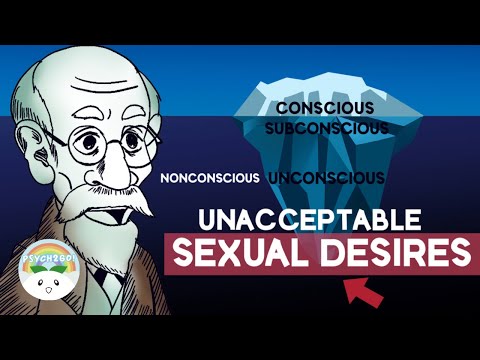
Freud had some pretty bold ideas about the mind, especially when he talked about the subconscious. He believed our minds were like an iceberg—most of it hidden beneath the surface. The part you can see is called the conscious mind, which is just a small fraction of what’s really going on in our heads. Beneath that, in chilly waters, lies the subconscious, housing our suppressed feelings and desires. It’s wild to think about how much we might not even realize is affecting us!
Freud introduced several key concepts that help us understand this duality of mind:
- Repression: This is where thoughts and memories we find troubling get pushed down into the subconscious. Like that time you forgot your best friend’s birthday because you felt guilty about something else. It’s all tucked away in there.
- Dream Analysis: Freud thought dreams were like secret messages from the subconscious. When you dream about being chased or losing your teeth, it might reflect underlying anxiety or fear from your daily life.
- The Id, Ego, and Superego: These three parts of our psyche constantly battle for control. The Id wants instant gratification (think cravings), while the Ego tries to be realistic and rational; then there’s the Superego, acting like your moral compass—that voice telling you right from wrong.
- Psychoanalysis: This was Freud’s method to explore these hidden parts of ourselves through discussions and free association—basically talking without holding back to uncover buried feelings.
So why does this matter? Well, understanding these concepts can help us see why we act certain ways even if we don’t know why at first. Imagine you’re feeling really anxious but can’t pinpoint why—Freud would say there could be something unresolved lurking in the subconscious.
There are cases where people’s subconscious beliefs shaped their reality in surprising ways. For instance, if someone was told they weren’t good at sports as a kid, they might avoid sports altogether as an adult without realizing it stems from that early belief.
In essence, Freud opened a door to understanding our inner worlds that many hadn’t considered before him. His take on how much of what drives us is hidden sparks conversations even today! It’s fascinating how complex and layered our minds are—you might think you know yourself pretty well until somethin’ pops up from deep down!
Integrating Conscious and Subconscious Mind: Strategies for Personal Transformation
Integrating your conscious and subconscious mind can feel like trying to get two best friends to hang out when they’ve never met. It’s all about bridging that gap, and trust me, the transformation can be enlightening!
Your conscious mind? That’s the part you’re aware of. It’s like your active brain, making decisions, solving problems, or planning your day. Then there’s the subconscious mind. This one’s a bit of a sneak. It holds all those thoughts, memories, beliefs, and feelings you’re not actively thinking about but that shape your behaviors and reactions.
The real magic happens when these two minds team up. Here are some strategies to help with that:
- Meditation: Seriously, just sitting quietly can open doors you didn’t know existed. It allows your conscious mind to chill out while giving your subconscious space to express itself.
- Affirmations: Positive statements repeated regularly can reprogram those old subconscious beliefs that might be holding you back. Like telling yourself “I’m confident” every morning can shift how you see yourself!
- Journaling: Writing things down can clarify thoughts floating around in that busy brain of yours. It’s a great way to discover those hidden beliefs or emotions lurking beneath the surface.
- Visualization: Picture where you want to be in life! This technique helps align both minds because you’re actively picturing an outcome which sends positive vibes straight to your subconscious.
- Emotional Awareness: Recognizing what you’re feeling is key. When something irritates or excites you, pause and ask why? This helps connect those subconscious patterns with your conscious actions.
I once had a friend who was super anxious about public speaking; it was affecting his work life big time. He started practicing visualization before his presentations—imagining himself standing confidently in front of an audience. He also kept a journal where he wrestled with his fears and gradually shifted his mindset from “I can’t” to “I got this.” Over time, he became not just comfortable but genuinely excited about sharing his ideas! Pretty amazing transformation, right?
The journey of integrating these two parts of your mind isn’t always smooth sailing; it takes patience and practice! But remember: it starts with being aware of them both and intentionally working towards understanding how they impact each other.
Your mind is powerful—you’ve just gotta learn how to work it! So whether through meditation or journaling, take steps toward uniting these two forces for personal transformation.
You know, the whole idea of the dual mind is pretty mind-boggling when you think about it. So, we’ve got this conscious side that’s all about our present thoughts and actions. It’s like the tip of an iceberg, right? You, me, everyone—we’re aware of our thoughts and decisions as they happen. But then there’s this massive chunk underwater that represents our subconscious. That part of our mind is like a hidden treasure trove filled with memories, emotional patterns, and beliefs that shape how we react to stuff.
I remember once having a conversation with a friend who seemed totally fine one moment but then burst into tears out of nowhere while we were watching a movie. It turned out some scene triggered a deep memory related to loss—something she hadn’t thought about in ages but was still tucked away in her subconscious. It’s wild how those hidden feelings can come up when you least expect them.
It’s almost like your conscious mind is running the show during the day; you’re making choices, socializing, working or whatever. But then at night? That subconscious takes over in dreams—or sometimes in those random moments throughout the day. You might notice yourself acting on gut feelings or instincts without fully understanding why.
What really gets me is how those two layers interact. Ever had an «aha!» moment where everything suddenly made sense? That spark often comes from your subconscious quietly piecing things together while your conscious mind was busy thinking about dinner or what show to binge-watch next.
It’s fascinating to think about how much is happening below the surface of our awareness—not just for ourselves but for everyone around us too. Our reactions can be shaped by stuff we might not even remember consciously! Like if you have an irrational fear of dogs because something happened when you were little and you didn’t even realize it until much later.
So yeah, understanding this duality can be super helpful. It can help us figure out why we do what we do or react how we react in certain situations. We’re not just puppets on strings of fate; there’s so much more going on inside us than meets the eye! The dance between consciousness and subconsciousness creates this complex tapestry of who we are—both light and dark threads woven together into something totally unique.