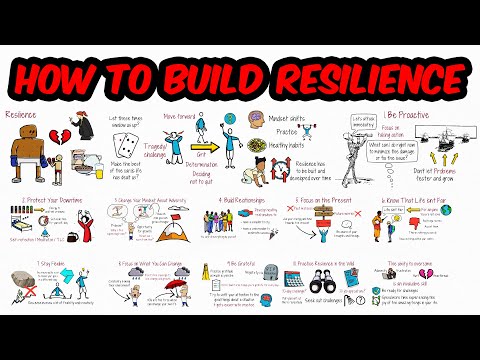
You know that feeling when life throws you a curveball? Like, you’re chilling, and suddenly bam! Things get tough.
Yeah, it’s rough. We all face challenges.
But here’s the thing: some folks bounce back faster than others. Ever wondered why?
It’s called resilience. It’s like having an emotional rubber band—you stretch it a lot, but it snaps back to shape.
In this chat, we’re gonna explore some cool ways to build your own resilience. Trust me; it’s not as hard as you think!
So stick around—there’s some useful stuff ahead that might just help you when life gets a bit wobbly.
Understanding the 7 C’s of Resilience for Adults: A Comprehensive Guide
Resilience is one of those buzzwords we hear a lot, but really it’s all about how you bounce back from tough times. It’s like when life throws you a curveball, and instead of striking out, you hit a home run. So, let’s look at the **7 C’s of Resilience** that can really make a difference in your life.
1. Control
Feeling like you have some say over what happens to you is huge. When situations get tough, focus on what you can control. Like, if you’re feeling stressed about work, maybe you can’t change the workload, but you could control how you manage your time or ask for help.
2. Commitment
This is all about sticking to your goals and values even when things get rough. Think about it: remember that time when everything seemed to go south but you still turned up for that big presentation? That commitment can fuel your resilience.
3. Challenge
Instead of avoiding problems, seeing them as challenges can help build resilience! It’s like playing a video game—leveling up means facing tougher monsters and figuring out strategies to beat them. When life gets rough, see obstacles as chances to grow.
4. Confidence
Believing in yourself plays such an important role in resilience! You know that feeling when you’ve done something right after doubting yourself? That spark of confidence can keep pushing you forward even when doubts creep in.
5. Connection
Having a support network is critical! Surrounding yourself with friends and family who lift you up makes facing tough times so much easier. Ever had one of those nights where just talking with a friend made everything seem better? Yep, that’s the power of connection!
6. Contribution
Helping others can actually help build your own resilience too! When you give back or lend a hand, it creates a sense of purpose that strengthens your emotional muscles. Volunteering might feel daunting at first but trust me—it feels good!
7. Coping Strategies
Developing effective coping strategies is key to bouncing back from setbacks without getting stuck in negativity. Whether it’s journaling, exercising or meditating—find what works for you and stick with it! Remember that hike where the fresh air cleared your mind? That’s a simple yet powerful coping method.
So there ya go! The **7 C’s** give you practical tools to build up that inner strength while handling life’s ups and downs like a champ! Each element connects together like pieces in a puzzle; focusing on them gradually builds more resilience over time. Keep practicing these ideas until they become second nature—after all, it’s all about learning how to thrive!
Building Psychological Resilience: Key Strategies for Strength and Recovery
Building psychological resilience is like developing a mental toolbox. You know, life throws all sorts of challenges our way, and some days it feels like we’re just trying to keep our heads above water. So, let’s explore some strategies that help us bounce back when times get tough.
One of the first things to consider is embracing change. Life changes constantly, and while that can feel unsettling, it’s essential to recognize that change can also lead to growth. When you face a setback, view it as an opportunity to adapt and learn something new. For example, if you lose a job, instead of fixating on the loss, think about other careers you might explore or skills you could develop.
Another key strategy is fostering a supportive network. Surrounding yourself with positive and understanding people makes a difference. Friends and family can provide emotional support when you’re feeling down. Remember that time you had a rough week at work? When your friend listened to your frustrations over coffee? That’s the kind of support I’m talking about.
Then there’s practicing self-care. This isn’t just about spa days or treating yourself (though those are nice too!). It involves taking care of your physical health: eat well, exercise regularly, sleep enough—basically treating your body with kindness. When you take care of your body, it’s easier for your mind to handle stress.
Another important point is developing problem-solving skills. Instead of stressing out over an issue, break it down into smaller parts. If you have a huge project looming over you at work or school, tackle one section at a time instead of staring at the whole thing in panic! It helps regain control over stressful situations.
Don’t forget about mindfulness practices. Techniques like meditation or deep breathing can help ground you in the present moment and reduce anxiety. Picture sitting quietly for just five minutes focusing on your breath; it sounds simple but can be incredibly calming when chaos swirls around you.
And hey, let’s talk about setting realistic goals. Sometimes we aim high without considering our current circumstances. Set achievable tasks for yourself so when you accomplish them, you’re boosting your confidence little by little.
Also worth mentioning is cultivating optimism. It’s easy to fall into negative thought patterns during hard times—which can trap us in despair—but try flipping the script! Look for silver linings or what you’ve learned from difficult experiences. Remember how even tough lessons helped shape who you’ve become today?
Finally—this one’s big—practice self-compassion. Be kind to yourself! Everyone messes up or struggles sometimes; it’s part of being human! Instead of beating yourself up over mistakes or setbacks, treat yourself like you’d treat a friend going through the same thing.
So there you have it! A bunch of strategies can help build psychological resilience and make recovery feel more possible when life gets tough. By embracing change, fostering support networks, practicing self-care genuinely enhancing problem-solving skills while staying mindful and optimistic—you’ll be better equipped to handle whatever comes your way!
Effective Coping Strategies for Building Resilience: A Comprehensive Guide
Building resilience is super important. It’s that inner strength that helps you bounce back from life’s curveballs. You know, like when you get hit with a tough situation or an unexpected challenge? Instead of feeling crushed, you can use **effective coping strategies** to help you get through it. Let’s talk about some practical ways to build that resilience muscle.
1. Emotional Awareness: Understanding your feelings is key. When something stressful happens, take a moment to acknowledge what you’re feeling. You might feel sad, angry, or overwhelmed. Just recognizing those emotions can help you handle them better. For example, if you’re anxious about a big presentation at work, sit with that feeling instead of pushing it away.
2. Practice Self-Compassion: Be nice to yourself! It’s so easy to be your own worst critic, but treating yourself with kindness matters. Imagine your friend is going through a rough time; you’d probably say something supportive and comforting, right? Do the same for yourself! When things don’t go as planned, remind yourself that it’s okay to mess up sometimes.
3. Build a Support Network: You don’t have to go through tough times alone. Friends and family can be lifesavers when the going gets tough. Just having someone listen can be huge! Maybe grab coffee with a pal or call someone who gets what you’re dealing with and talk it out.
4. Problem-Solving Skills: When challenges arise, focus on solutions instead of just the problem itself. Break situations down into smaller parts and tackle them one by one. For instance, if you’re facing financial stress due to unexpected expenses, write down all your options—maybe cut back on some non-essentials or consider taking on extra work for a while.
5. Mindfulness and Relaxation Techniques: Taking time to relax is vital for resilience too! Practices like meditation or deep-breathing exercises can help calm your mind during stressful periods. Picture this: you’re in the middle of chaos at work; taking even five minutes just to breathe deeply can clear your head and reset your mood.
6. Set Realistic Goals: Setting small goals keeps you motivated without overwhelming yourself as well as pushes you forward even when times are tough. If you want to get in shape but feel unmotivated at the gym? Start small—maybe walk around the block first before tackling longer workouts.
7. Embrace Change: The only constant in life is change! Accepting that things will shift around us helps reduce anxiety about the unknowns ahead—like moving cities or starting a new job—so try viewing changes as opportunities instead of hurdles.
Remember: building resilience takes time and practice! It’s okay if some days feel harder than others; give yourself grace through this process as well! You’ll find what works best for you over time; just keep experimenting until something clicks!
So there it is—a few solid strategies for boosting your resilience! Life might throw punches sometimes but by leaning on these tips, you’ll find ways to stand strong and keep moving forward.
Building resilience can feel like a daunting task, but here’s the thing: it’s all about how you respond to those curveballs life throws your way. You know, like the time I spilled coffee all over my laptop right before a major deadline? I panicked for a second—my heart raced, and I had that sinking feeling in my stomach. But instead of throwing my hands up and giving up, I took a deep breath, cleaned up the mess, and borrowed a friend’s computer to finish my work. That moment taught me something valuable about resilience.
So, what exactly is resilience? It’s basically your ability to bounce back from tough situations. It doesn’t mean you won’t feel stressed or overwhelmed; it just means you learn how to cope with those feelings in a healthy way. And trust me, everyone has their own unique mix of coping strategies.
One effective approach is reframing your thoughts. This is where you take a negative situation and try to see it from another angle. Like if you didn’t get that promotion you were hoping for—rather than sulking about what went wrong, think about what skills you can develop or new opportunities that might come up down the road. This shift in perspective can lighten the emotional load.
Another great strategy is building strong connections with others. Sharing your thoughts, fears, or even just venting can help lighten your mental load. Having friends or family members who listen without judgment is like having your own personal cheerleaders! It’s comforting knowing someone’s got your back when things get tough.
Self-care also plays a big part in resilience. Feeding your body well, getting enough sleep, and finding time to relax can really make a difference when stress kicks in. And let’s not forget hobbies! Engaging in activities that make you happy—even if it’s just zoning out with your favorite show—can recharge those batteries we all need.
Lastly, embracing change helps too! When life shifts unexpectedly (and believe me, it will), being open to adapting can be powerful. Rather than resisting change or fearing it like some monster hiding under the bed, think of it as an exciting adventure waiting to unfold.
In short, building resilience isn’t an overnight task; it’s more like nurturing a plant—it takes time and care. Everyone has their off days where nothing seems right, but by using these strategies consistently (even when times are smooth), you’ll probably find yourself better equipped when challenges arise later on. And who knows? You might look back one day and realize just how far you’ve come!