Loneliness can hit hard, right? Like, you could be surrounded by people but still feel all alone. It’s a heavy feeling.
But here’s the thing: resilience is totally possible. Seriously! There are ways to build it up, like a muscle.
Imagine having tools in your emotional toolbox that help you bounce back when that loneliness creeps in. Sounds good, huh?
In this journey of figuring things out, we’ll chat about some strategies that might just change how you handle those tough days. Let’s dig in together!
Effective Emotional Strategies for Building Resilience Against Loneliness: Insights into Brain Health
Feeling lonely can be pretty tough, you know? It’s like sitting in a crowded room but still feeling like you’re by yourself. But there are effective emotional strategies you can use to build resilience against loneliness. Let’s break it down a bit.
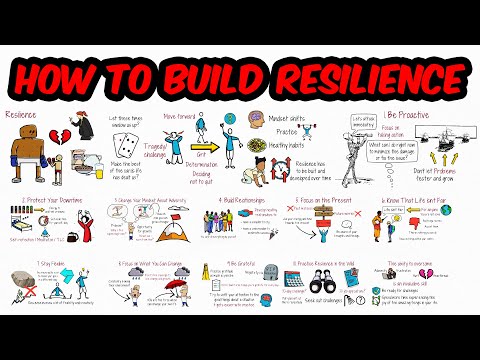
First off, let’s talk about what resilience means. Basically, it’s your ability to bounce back from tough times. Think of it like a rubber band; the more you stretch it, the better it gets at bouncing back! Building emotional resilience helps you cope with that gnawing feeling of loneliness.
Connect with Others: One of the most potent strategies is simply reaching out. It sounds easy, right? But many people shy away from doing this because they fear rejection. So, try sending a text or making a call to someone you haven’t talked to in a while. You’ll probably find they’re feeling similar emotions too!
- Join Groups or Clubs: This could be anything from book clubs to hobbies—whatever floats your boat! Being with others who share your interests makes it easier to connect.
- Volunteer: Helping others not only distracts your mind but also creates meaningful connections. Plus, seeing how others face their own battles can give you perspective.
Cultivate Positive Self-Talk: Seriously, what goes on inside your head matters a ton. Sometimes, we can be our own worst critics! When feelings of loneliness creep in, try flipping that script. Instead of thinking «No one cares about me,» remind yourself of all the friends and family who do care—even if they’re far away at the moment.
- Practice Gratitude: Keep a journal where every day you jot down three things you’re grateful for. It shifts your focus and makes those lonely moments feel less heavy.
- Acknowledge Your Feelings: It’s okay to feel lonely sometimes—it doesn’t mean something’s wrong with you! Recognizing and accepting those feelings is powerful.
Pursue Your Interests and Hobbies: Dive into activities that make you happy or curious. Whether it’s painting, hiking, or playing an instrument—engaging in activities that bring joy can lift your spirits and even introduce you to new friends!
Beneath all this, there’s also some cool stuff happening in your brain when you practice these strategies. Engaging socially releases dopamine, which is that happy chemical we all love! Plus, practicing gratitude has been linked to increased overall happiness and reduced feelings of isolation.
If all else fails—and trust me, there will be days that just feel heavy—don’t hesitate to talk things out with someone close or even seek guidance from professionals who understand these dynamics well.
Building resilience against loneliness isn’t about eliminating those feelings altogether; it’s about managing them better when they arise. By embracing connection and shifting your mindset—you’ll find that bright spark again amid the gray clouds of loneliness!
Effective Strategies to Overcome Loneliness Without Friends: A Comprehensive Guide
Feeling lonely can be tough, especially when you look around and realize you don’t have much of a social circle. It’s like being at a party but standing in the corner because no one’s asked you to dance. You might feel a bit lost, and that’s totally normal. But there are ways to tackle that loneliness head-on!
First things first, let’s talk about self-reflection. Sometimes, when you peel back the layers of why you’re feeling lonely, it can lead to some awesome insights. Ask yourself questions like: Why do I feel this way? Is it just about not having friends or is there something deeper going on? Understanding the root of your feelings is like getting a map in a maze—it helps to find your way out.
Now, on to getting active. So, it sounds simple, right? But trust me—moving your body does wonders for your mood. You could try going for walks or even hitting up local classes in something you enjoy, like yoga or dance. You might just end up meeting someone who shares your vibe! It’s amazing how much being around others—even if you’re not chatting—can make you feel less alone.
- Volunteer work: Helping others can boost your mood and connect you with people who care about similar causes.
- Pursue hobbies: Getting into something you love gives you purpose and might even lead to new friendships over shared interests.
- Join online communities: The internet is buzzing with groups on every imaginable topic. Engaging with others who share your passions can feel super rewarding.
Another strategy involves practicing self-compassion. This means being nice to yourself when those feelings of loneliness hit hard. Instead of dwelling on what’s missing in your life, remember all the cool things about you! Even keeping a journal where you jot down positive thoughts or memories can really help shift that negative energy.
You might also want to explore mindfulness techniques. This could be meditation or just finding little moments throughout your day to breathe deeply and focus on the present. It pulls your mind away from that feeling of isolation and plants it firmly into the here and now. Seriously, try spending five minutes just observing what’s around you—sounds easy but works wonders!
If you’re feeling adventurous, try stepping outside of your comfort zone by taking classes or joining clubs focused on skill-building or interests. Meeting new people doesn’t have to be intimidating; sometimes it can be fun! Think about taking up photography or even learning an instrument—who knows where those interests will lead?
The bottom line is this: loneliness isn’t a permanent state; it’s more like a chapter in the book of life that we all go through at times. With these strategies in place, you’re better equipped to navigate through those feelings without letting them overshadow everything else.
If there are times when loneliness feels too heavy, remember it’s perfectly okay to reach out for support too—whether from family members who care about you or professionals who can guide you through tougher patches.
Tackling loneliness takes time but giving each strategy a go could ultimately lead both to deeper self-awareness and connection with others along the journey!
Effective Strategies for Alleviating Elderly Loneliness: A Comprehensive Guide
Loneliness is a pretty common issue among older adults, and it can really take a toll on their mental health. You know, the thing is, they often lose friends or family members as they age, and that can leave a huge gap in their social lives. So, let’s talk about some effective strategies for helping alleviate that loneliness and build resilience at the same time.
Social Engagement is key. Finding ways to connect with others can make a world of difference. Here are some ideas:
- Join local clubs or groups: Whether it’s a book club, gardening group, or fitness class, being part of a community can foster connections.
- Volunteer: Helping others not only fills your time but also creates bonds with people who share similar interests.
- Stay connected digitally: Video calls can bring loved ones closer when physical presence isn’t possible; it’s like having them right there!
But not everyone is comfortable with technology. That’s okay! Gradually introducing it might help; keep things simple.
Routine also plays a significant role in feeling connected and less isolated. A daily routine can provide structure and predictability. It could include:
- Mornings with coffee while listening to music or reading the news.
- A regular exercise plan: even short walks count!
- Cooking meals at the same time every day—maybe even trying out new recipes you’ve always wanted to explore.
And seriously, just getting dressed every day can lift your spirits.
Now let’s chat about mindfulness and emotional awareness. This is about understanding what you’re feeling instead of just pushing it aside.
- Meditation or gentle yoga can help center oneself and ease feelings of anxiety.
- Keeping a journal to express thoughts and emotions may provide clarity—like having a chat with yourself on paper!
A friend of mine once told me how journaling helped her process her feelings after losing her husband. It turned from sadness into stories she could share with her grandchildren.
Also, pets! Seriously, animals make great companions. They offer unconditional love perfect for combatting loneliness.
- If adopting isn’t possible, maybe consider volunteering at an animal shelter? Being around pets can uplift moods instantly!
Lastly, let’s talk about professional support. Sometimes talking it out with someone who gets it makes all the difference:
- A counselor specializing in geriatric psychology can tailor strategies that resonate specifically for older adults.
- Support groups connect people experiencing similar challenges—sharing stories creates bonds.
Remember that loneliness affects everyone differently. You know what works for one person might not work for another; that’s perfectly fine! Exploring different strategies until you find what fits best is important.
In summary, combating elderly loneliness isn’t just about filling empty hours; it’s all about creating meaningful connections both socially and emotionally. With these strategies in hand, elderly individuals can begin to feel more empowered within their worlds again!
Loneliness hits everyone at some point, you know? Like, you can be surrounded by people and still feel that weight of solitude. I remember a time in college when I was in a crowd but felt totally invisible. It was rough. I mean, one minute you’re laughing with friends, and the next, that nagging feeling creeps in—like nobody really gets you.
So, what do you do when loneliness comes knocking? For me, it started with acceptance. I had to admit that feeling lonely didn’t mean something was wrong with me. It’s just part of the human experience. Once I accepted it, things began to shift a little.
One strategy that helped was reaching out. Yeah, it sounds simple but seriously—connecting with others can transform how you feel. Even if it’s just shooting a text to an old friend or commenting on someone’s post online. That little interaction? It can brighten your whole day!
Another thing? Practicing self-compassion is key here. Being kind to yourself is like giving yourself a warm hug when you’re down—reminding yourself that it’s okay to feel lonely sometimes. Instead of beating yourself up for being alone, try treating yourself like a good friend would during tough times.
Oh! And don’t underestimate the power of hobbies or interests. Finding something that fuels your passion—be it art, hiking, cooking—you name it—can shift your focus from loneliness to personal growth and joy.
But hey, everyone’s got their own way of coping with those feelings of isolation. There’s no one-size-fits-all solution here. Building resilience takes time and effort; it’s like exercising those emotional muscles! Sometimes you might stumble or feel overwhelmed again—it happens! Just remember you’re not alone in this journey; so many people are working on their resilience too.
So yeah, if you’re grappling with loneliness right now or have ever experienced it heavily—take heart. You can build those emotional strategies step by step and come out stronger on the other side!