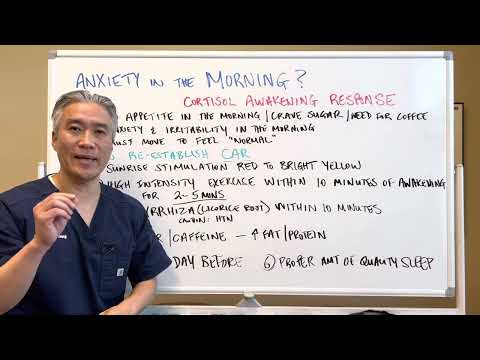
So, let’s chat about cortisol. You know, that hormone everyone talks about when stress comes up? It’s a big deal in the anxiety world.
Imagine you’re running late for an important meeting. Your heart’s pounding, maybe your palms are sweaty, and bam—here comes that wave of panic, right? That’s cortisol saying “Hey! Something’s up!”
But here’s the kicker: while a little cortisol can get you through those tight spots, too much of it can really mess with your head. Anxiety can spiral into something way bigger than just a momentary freakout.
Let’s break it down together. How does this whole cortisol-anxiety thing work? And what does it mean for you in everyday life?
Top Herbs Proven to Lower Cortisol Levels: Natural Stress Relief Solutions
Stress is something we all deal with at some point, and it turns out that a hormone called cortisol plays a big role in how our body reacts to stress. This hormone, often called the «stress hormone,» can be super helpful in small amounts, but when it’s consistently high, it can lead to all sorts of problems, like anxiety and fatigue. So, if you’re looking for ways to lower those pesky cortisol levels naturally, you might want to check out some herbs that have shown promise in helping with that.
First up is ashwagandha. This herb has been used in Ayurvedic medicine for ages. Studies show that it may help reduce cortisol levels significantly. Picture this: after a hectic week at work filled with deadlines and meetings, just a little ashwagandha might help your body chill out.
Then there’s rhodiola rosea, another herb known for its adaptogenic properties—fancy terms meaning it helps your body adapt to stressors. It’s like having your own personal cheerleader when life gets tough! Some research suggests it can decrease cortisol levels while also boosting your mood. Pretty cool, huh?
Let’s not forget about holy basil. This one’s not just for flavoring your dishes; it’s linked with reducing stress and balancing cortisol levels too. Imagine sipping on holy basil tea after a long day—it’s like giving yourself a comforting hug.
Another interesting herb is licorice root. Though you have to be cautious with this one because too much might raise blood pressure, moderate use is thought to help lower excess cortisol levels. Think of licorice root as a kind of balance beam—too much on one side and you’ll tip over!
Turmeric, with its active compound curcumin, has anti-inflammatory effects which might also play a role in reducing cortisol levels. Incorporating turmeric into your meals could be an easy way to bring down stress while adding some color to your plate.
Lastly, there’s chamomile. You probably know chamomile tea helps you wind down before bed; well, there’s evidence suggesting it might also lower cortisol when consumed regularly. A warm cup of chamomile can be like a cozy blanket at the end of the day!
So here are those top herbs again:
- Ashwagandha
- Rhodiola Rosea
- Holy Basil
- Licorice Root
- Turmeric
- Chamomile
Now here’s the thing: while these herbs can potentially help lower cortisol and melt away some stress, they’re no magic bullet. It’s always good to combine any natural remedies with other healthy habits like exercise and sleep hygiene. Finding what works best for you is key because everyone reacts differently.
So if you’re feeling overwhelmed or anxious frequently, thinking about adding these herbs into your routine could be worth considering! Just make sure you’re paying attention to how they affect your body and consult with someone knowledgeable if you’re unsure about mixing them with any meds or conditions you’ve got going on!
Exploring the Impact of Nuts on Cortisol Levels: What You Need to Know
So, let’s talk about the relationship between nuts and cortisol levels. Cortisol is that pesky stress hormone that our bodies produce when we feel anxious or stressed. It plays a crucial role in how we respond to stressors, but too much of it can lead to some serious issues over time, like anxiety or even physical health problems. Now, you might be curious—can what we eat really affect cortisol levels? That’s where nuts come into the picture!
Nuts are often celebrated as little powerhouses of nutrition. They’re packed with healthy fats, protein, fiber, vitamins, and minerals. But here’s the kicker: they may also help manage cortisol levels! How does this work? Let me break it down.
- Healthy Fats: Nuts contain omega-3 fatty acids which can help lower inflammation and might play a part in regulating cortisol levels.
- Magnesium: Many nuts are high in magnesium, which is known to have a calming effect on the nervous system. A calm nervous system can mean lower cortisol production! For instance, almonds and cashews are top sources.
- Amino Acids: Nuts are good sources of amino acids like tryptophan that can aid serotonin production—the feel-good hormone—which can indirectly help keep cortisol in check.
But hey, you might be wondering if all nuts are created equal? Well, yes and no! Different types of nuts offer varying benefits. For example, walnuts have been shown to improve mood due to their unique nutrient profile while pistachios may actually reduce heart rate and blood pressure during stressful situations.
Let me share a quick story here—it’s about my buddy Sam who was dealing with a lot of stress at work. He started munching on mixed nuts during his breaks instead of reaching for chips or candy bars. Over time, he noticed he felt less anxious and more focused. Sam didn’t just love the crunch; he also loved how it seemed to help him manage his stress better!
Your overall diet matters too! If you just load up on nuts without considering your whole eating pattern—well, you’re missing out on the bigger picture. Balancing your meals with veggies, fruits, and whole grains is important for maintaining stable energy and hormonal balance.
An additional note: it’s crucial not to overdo it on nuts—they’re calorie-dense! If you’re snacking mindlessly thinking they’re guilt-free because they’re «healthy,» you might end up consuming more calories than intended.
The takeaway here? Including nuts in your diet could potentially be a smart choice for managing cortisol levels and keeping stress in check—just remember moderation is key! So next time you’re feeling stressed out or anxious about something big coming up—maybe try grabbing a handful of almonds instead of that sugary snack?
Understanding High Cortisol Levels: Key Signs, Symptoms, and Testing Methods
So, you’ve probably heard about cortisol, right? It’s that stress hormone that can do a number on your body and mind. When we’re stressed out, our bodies pump out more cortisol. But here’s the kicker: if those levels stay high for too long, it can mess with your health in some serious ways. Let’s break down what it all means.
What is Cortisol?
Cortisol is a steroid hormone produced by the adrenal glands. It helps manage how your body uses fats, proteins, and carbohydrates. Plus, it plays a role in regulating blood sugar levels and controlling inflammation. Sounds pretty important, huh?
Key Signs of High Cortisol Levels
When cortisol levels are elevated over time, you might notice some telltale signs. Here are a few:
- Weight Gain: Especially around the belly area.
- Sleep Issues: Trouble falling asleep or staying asleep.
- Anxiety: Increased feelings of worry or nervousness.
- Mood Swings: Irritability or depression can creep in.
So you might be thinking of that one time when you had an overwhelming week at work and felt like your heart was racing all the time. That’s just one example of how anxiety can spike when cortisol decides to stick around longer than it should.
Symptoms to Watch For
High cortisol isn’t just about feeling stressed; it comes with its own set of symptoms:
- Fatigue: You might feel tired all the time even after a full night’s sleep.
- Digestive Problems: Things like bloating or changes in appetite might pop up.
- Persistent Illness: Your immune system may take a hit; you could catch colds more easily.
Just imagine having that nagging feeling that something’s off—like an ongoing dull headache or digestion issues that won’t quit.
Cortisol Testing Methods
If you suspect your levels are high, testing is key to understanding what’s going on. Here are some common methods:
- Saliva Tests: Easy to do at home; they measure cortisol at various times during the day.
- Blood Tests: Typically done in the morning when levels are highest; this gives a snapshot of what’s up with your hormones.
- Urine Tests: A 24-hour urine test can show how much cortisol you’re excreting throughout the day.
These tests help shine a light on whether high cortisol is affecting you directly or if there’s something else going on.
The Bottom Line
High cortisol can be a real downer for mental and physical health—think anxiety and fatigue rolled into one frustrating package. If any of these signs sound familiar, consider reaching out to a healthcare provider to discuss testing options and get back on track.
Understanding how your body works under stress is crucial! You’re not alone in this struggle; just remember there are ways to manage those hormone levels better—one step at a time!
Alright, let’s chat about cortisol and anxiety. So, you probably know that cortisol is often called the “stress hormone.” When you’re stressed or anxious, your body kicks into gear and releases this little chemical messenger to help you deal with whatever’s stressing you out. Sounds handy, right? But the thing is, too much of it can turn into a problem.
Here’s a quick story: I remember a time in college when exams were looming. I was so anxious about my grades that I could practically feel my heart racing just thinking about it. My sleep was all messed up; if I caught a few hours, I’d wake up in a panic at 3 AM thinking of all the stuff I hadn’t studied yet. Turns out, during those super stressful weeks, my cortisol levels must have been through the roof. Not only was my anxiety high, but my body felt like it was running on fumes.
Cortisol is meant to be helpful but when it hangs around for too long—because let’s face it, life can be pretty unpredictable—it starts messing with things like your mood and even your memory. That constant high level of cortisol can make anxiety worse, creating this cycle where stress leads to more stress.
So think about how this works: when you’re anxious or stressed regularly, your body keeps pumping out cortisol like it’s on a never-ending loop. You might feel jittery or tense all the time. It’s exhausting! It’s kind of like trying to sprint a marathon; you just can’t maintain that kind of pace without burning out.
And there’s more! Chronic stress might also influence how you interact with others or handle everyday situations. You know how sometimes little things just seem enormous? Well, higher cortisol levels can make those small annoyances feel gigantic—like when someone cuts in line at the coffee shop and makes your head spin.
But hey! There’s good news here too. There are ways to help balance those cortisol levels and manage anxiety better. Things like regular exercise or even practicing mindfulness can help bring that hormone back into check—kind of like hitting reset on a really glitchy video game.
To wrap this chat up, while cortisol is part of our body’s natural response to stress and anxiety, too much of it becomes a burden rather than a helper. Noticing how you feel in those moments—and figuring out ways to bring yourself back down—can go a long way toward feeling more centered and calm in our busy lives!