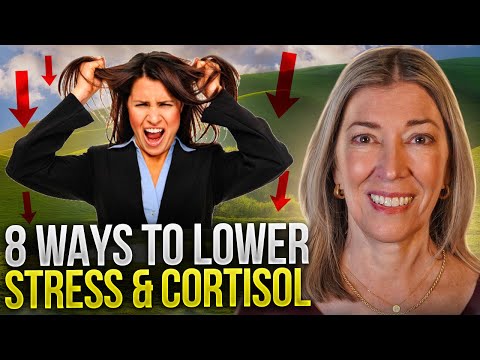
You know that feeling when everything just seems too much? Like you’re juggling a million things, and your brain feels like it’s about to explode? That’s when cortisol might be sneaking in.
So, cortisol is this hormone our body makes when we’re stressed. It’s like a little alarm bell ringing in your system. But if that alarm goes off too often, things can get tricky.
You might feel more anxious or even a bit down. Sometimes, it just makes everything feel heavier. And honestly, it’s not always easy to spot these signs.
Let’s take a moment to chat about how cortisol messes with our mental health and what to look out for. You’ll want to know if it’s crashing your vibe!
Exploring the Impact of Nut Consumption on Cortisol Levels: What You Need to Know
Let’s talk about cortisol and nuts. Cortisol is often called the “stress hormone.” It helps your body respond to stress, but when those levels are too high for too long, it can mess with your mental health. You might feel anxious, moody, or just not yourself. So, understanding how what you eat—like nuts—can affect those cortisol levels is pretty important.
Nuts and Your Body
Nuts are packed with healthy fats, protein, and fiber. They’re like little powerhouses of nutrients! Eating a variety of them—like almonds, walnuts, or hazelnuts—can help keep you feeling full and satisfied. But what’s really interesting is how they can potentially impact cortisol levels.
- Healthy Fats: Nuts contain omega-3 and omega-6 fatty acids. These play a role in reducing inflammation in the body. Inflammation can sometimes trigger higher cortisol production, so eating nuts might help keep those levels down.
- Magnesium Boost: Many nuts are rich in magnesium. This mineral has been linked to lower cortisol levels. Some studies suggest that when you don’t get enough magnesium, your body may produce more cortisol in response to stress.
- Amino Acids: Nuts also provide amino acids that help produce neurotransmitters like serotonin and dopamine. These chemicals play a big part in your mood regulation and can influence how your body responds to stress.
The Stress Connection
Imagine you’re having one of those days when everything seems off—you’re stressed about work or life in general. If you reach for a handful of nuts instead of junk food, you’re doing something positive for yourself! Not only do they taste good, but they might also help stabilize those pesky cortisol spikes.
Recent research shows that diets high in healthy foods—including nuts—can lead to improved emotional well-being. When people include more nutrient-dense foods in their diet, they often report feeling less stressed.
Your Personal Experience Matters
Everyone’s body reacts differently; some might notice a difference quick while others take longer to see results from dietary changes. So if you’re eating more nuts and still feeling stressed out? It might be worth looking into other factors that could be influencing your mental health.
Just remember: While munching on some almonds isn’t a cure-all for stress or anxiety issues, it’s definitely a step towards better mental health practices! Your diet plays an important role along with other factors like sleep quality and exercise.
In short? Incorporating nuts into your diet could be a tasty way to support lower cortisol levels along with other healthy habits that promote mental well-being!
Understanding High Cortisol Levels in Women: Identifying Symptoms and Implications
Cortisol is often dubbed the «stress hormone,» and if you’re a woman, understanding high cortisol levels can be really important for your health. This hormone plays a key role in your body’s response to stress, but when it hangs around too long, it can mess with more than just your mood.
So, what do high cortisol levels look like? Here are some common symptoms to keep an eye out for:
- Fatigue: Feeling tired all the time? High cortisol can sap your energy.
- Weight Gain: Especially around the abdomen. It’s frustrating, trust me!
- Anxiety or Irritability: You might find yourself feeling on edge or quick to snap.
- Sleep Problems: Trouble falling asleep or staying asleep? Yeah, that could be related.
- Mood Swings: You could feel up one moment and down the next. It’s annoying!
Now, let’s talk about how these symptoms can affect your life. Imagine you’re juggling work, family, and personal life. Suddenly, those normal stressors feel heavier—and it’s not just in your head. Chronic high cortisol levels might lead to serious issues like depression or anxiety disorders. The brain isn’t just a sponge; it’s sensitive to hormonal changes!
To make matters worse, high cortisol can also weaken your immune system. So while you’re worrying about deadlines at work or that argument with a friend, you might catch every cold going around.
But why does this happen specifically in women? Hormonal fluctuations throughout the menstrual cycle can influence cortisol levels significantly—like during PMS or menopause when everything feels off anyway. Stress tends to kick those levels up even more as well.
You know how sometimes you might feel overwhelmed by everything life throws at you? It’s all linked—stress triggers cortisol production, which in turn can make it harder for you to handle stress effectively. It’s a bit of a sticky cycle!
There are ways to manage this though! Adopting healthy habits like regular exercise, mindfulness practices (like yoga or meditation), and even talking things out with friends or loved ones can help keep those pesky cortisol levels down.
In short: Be aware of how you’re feeling inside and check for signs of elevated cortisol levels. If what you’re experiencing hits too close to home—consulting with a healthcare professional is always a smart move! Taking control of stress means taking control of your health—and that’s something everyone deserves!
The Link Between Cortisol Levels and Mental Health: Understanding Depression and Anxiety
So, let’s chat about cortisol. It’s this hormone that your body kicks out when you’re stressed or when you’ve got some sort of crisis going on. But what a lot of folks don’t realize is that cortisol levels can affect mental health, especially when it comes to depression and anxiety.
You see, cortisol isn’t all bad. It plays important roles, like helping you manage stress and keeping your body running smoothly. But here’s the thing: if you’re running on high cortisol for too long, it can lead to some pretty rough emotional states.
High cortisol levels are connected to symptoms of anxiety. Imagine feeling constantly on edge or like you can’t relax—this could be your body’s way of reacting to those elevated cortisol levels. You might find yourself worrying more than usual, jumping at small noises, or feeling restless even when everything seems fine around you.
Now, depression is another story. When your cortisol levels are consistently high, it can mess with the way your brain functions. Studies show that prolonged stress affects mood regulation, leading to feelings of sadness or hopelessness. You might feel tired all the time but also unable to sleep well; it’s this vicious cycle.
- Cortisol impacts serotonin: This is a biggie! Serotonin is often called the «feel-good» chemical in your brain. High cortisol can lower serotonin levels, which means less happiness!
- Physical symptoms happen too: Apart from emotional effects, high cortisol might cause headaches or stomach issues. Like, ever felt super anxious and also had an upset tummy? Yeah, that could be linked.
- Increased sensitivity to stressors: Over time, high cortisol can make your nervous system more sensitive. You might find things that used to be manageable suddenly feel overwhelming.
The emotional side? Picture this: think back to a time when life felt like a rollercoaster—lots of ups and downs. If there was major stress involved—maybe work issues or relationship drama—it could have triggered high cortisol levels in you. And then came anxiety or those low moods later on.
But don’t lose hope! Recognizing these signs can be super helpful. When you notice heightened stress and maybe some emotional struggles creeping in, it’s essential to take steps toward balance again.
Pay attention to your body and mind signals; they’re usually trying to tell you something important! Practices like mindfulness or talking things out with someone close can make a big difference in managing those pesky cortisol levels and promoting overall mental health.
The link between cortisol and mental health isn’t just some abstract concept; it affects real lives every day! Understanding this connection helps us appreciate how our bodies work under stress and why it’s crucial to care for our mental landscape as much as our physical one!
Cortisol is that pesky little hormone we often hear about, right? It’s produced by your adrenal glands and gets a bad rap for being the “stress hormone.” But it’s not all bad; it plays a role in many things, like regulating metabolism and controlling blood sugar. Still, if things get out of whack—like if you’re super stressed for a long time—it can impact your mental health pretty seriously.
So, picture this: you’ve had a rough week at work. You’re juggling deadlines, family obligations, and maybe even the pressure of everyday life. You might notice that you’re feeling more on edge than usual. Your thoughts are racing, or maybe you have trouble sleeping? That’s what high cortisol levels can do. They can make anxiety creep in when you’re not looking. Stress is kind of like an unwanted roommate squeezing into your headspace, making it hard to think straight.
And then there are those moments when you just feel… flat. Like nothing excites you anymore. That’s another sneaky effect of cortisol surging too high; it can contribute to feelings of depression or low motivation. It’s as if all that energy meant for plain old living gets funneled into simply managing stress instead.
Let’s say you’ve been feeling irritable and snappy with friends or loved ones—like how I snapped at my buddy over a trivial thing last weekend. Maybe I was tired or overwhelmed with everything on my plate, but I could sense the tension bubbling up. That’s another telltale sign: when little things set you off way more than they should. If you’ve been there, you’re definitely not alone.
But here’s the kicker: recognizing these signs is super important! Many people don’t realize how much their mental state connects to physical stress responses until they’re deep in it. If you notice changes in mood or behavior that just don’t feel like yourself—whether it’s feeling anxious for no clear reason or losing interest in hobbies that used to bring joy—it might be worth checking in on your stress levels and how they’re affecting your mental health.
So yeah, this whole cortisol thing is a bit of a double-edged sword; knowing its effects can help us manage our reactions better. Being aware helps put the brakes on that cycle before it spirals out of control and messes with our minds more than necessary! After all, nobody wants their hormones calling the shots in their life, right?