You know, life can throw some pretty heavy stuff our way. Sometimes it feels like everything’s piling up and you just don’t know where to turn.
That’s where crisis support lines come in. Seriously, they’re like a lifesaver when you’re feeling overwhelmed, anxious, or just plain lost.
In the UK, there are loads of options available to help you out in those tough moments. It’s all about finding the right support that fits your vibe.
So, let’s chat about what’s out there and how these lifelines can actually make a difference when you need it most.
Comprehensive Guide to Mental Health Support Services Available in the UK
Mental health is crucial, and in the UK, there’s a variety of support services ready to help you when things get tough. Whether you’re feeling overwhelmed, anxious, or just need someone to talk to, there’s a range of options available.
Crisis Support Lines are often the first point of contact for people in urgent need. They provide immediate support and can guide you towards further help. Here are some key services you might want to consider:
- Samaritans: You can reach out any time, day or night. They have a freephone number (116 123) and offer confidential support for anyone in distress. It’s all about listening—no judgment, just someone who gets it.
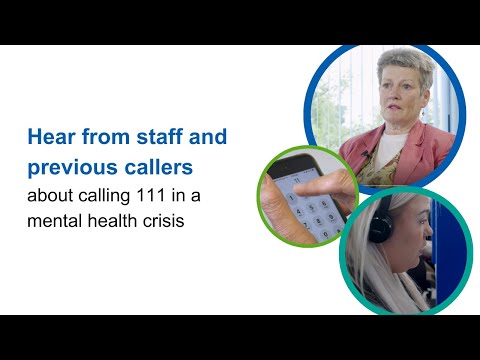
- NHS 111: This service isn’t just for physical health issues! If you’re experiencing a mental health crisis, they’ll help you find the right services and sort out what’s needed.
- Shout: Texting can feel easier when emotions run high. Just text «SHOUT» to 85258 and you’ll connect with a trained volunteer who will listen and help you through your situation.
- MIND Infoline: If you’re looking for information about mental health problems or need advice on where to go next, MIND helps. You can call them at 0300 123 3393 on weekdays.
You know how life can throw curveballs? Maybe it’s losing a job or dealing with relationship issues that can knock us off our feet. I remember a friend who felt completely lost after her breakup; she didn’t know where to turn until she discovered the Samaritans hotline. Just hearing an understanding voice was enough to help her start piecing things together again.
Apart from crisis lines, there are also support groups. These often involve face-to-face meetings with others who’ve had similar experiences. It creates this sense of community—you’re not alone in what you’re feeling.
- Local NHS services: Many areas have community mental health teams that offer various therapies and group sessions.
- Befriending Services: Some organizations pair you up with volunteers who provide companionship and emotional support.
- Online Forums: Websites like MIND host forums where individuals share experiences and tips on coping strategies.
Sometimes talking anonymously online feels more manageable than face-to-face conversations. The beauty is that sharing your story can lighten the load—kind of like lifting weights off your shoulders.
Finally, if you’re looking for therapy options, there are organizations like IAPT (Improving Access to Psychological Therapies), which tailor their services based on your needs—you could be offered counseling or cognitive behavioral therapy depending on what fits best.
In short, mental health support is out there if you seek it! It’s all about reaching out when things feel heavy. Whether calling a helpline or joining a local group, remember: it’s totally okay not to be okay sometimes!
Essential Steps to Take During a Mental Health Crisis in the UK: A Comprehensive Guide
I’m really glad you’re seeking information about handling a mental health crisis. It’s super important to know what to do in those tough moments. Mental health crises can feel overwhelming, but understanding some essential steps can really help you or someone else navigate through it.
Recognize the Signs
First up, recognizing the signs of a mental health crisis is key. This could be anything from intense mood changes, social withdrawal, panic attacks, or even reckless behaviors. If you notice someone acting differently than usual—like your friend suddenly not texting back or seeming unusually down—it might be a signal they need support.
Reach Out for Support
So what’s next? Don’t hesitate to reach out! Connecting with someone who understands can make a world of difference. Whether it’s a trusted friend, family member, or even a colleague, talking about what you’re feeling can lighten that heavy load. And if reaching out seems too hard right now—no worries! There are professionals ready to help.
Contact Crisis Support Lines
In the UK, there are various crisis support lines available 24/7. Some popular ones include:
- Samaritans: They’re just a call away at 116 123 for anyone who needs to talk.
- Crisis Text Line: Just text “SHOUT” to 85258 and get immediate support.
- NHS Mental Health Services: You can contact your local NHS Helpline for specific assistance.
These services exist for moments when everything feels like it’s too much. They’re confidential and free.
Create a Safety Plan
If you or someone you know often experiences crises, having a safety plan in place is super smart! This plan could include lists of coping strategies that work for you—like going for a walk or listening to favorite music. Also write down emergency contacts and your go-to places where you feel safe.
Avoid Isolation
It might feel comfy hiding away when you’re struggling but fighting that urge is important. Isolation often makes things feel worse. Try to spend time with supportive folks who uplift you, even if it’s just sitting silently together.
Practice Grounding Techniques
Grounding techniques can be helpful during acute anxiety or distress. These are simple activities that help bring your focus back down to earth:
- Breathe deeply: Inhale slowly through your nose and exhale through your mouth.
- Name five things around you: This redirects your focus away from negative thoughts.
- Feel textures: Hold something with different textures—a fabric, stone or anything handy—to stimulate your senses.
All these steps may sound simple but they’re powerful tools!
Seek Professional Help When Needed
Sometimes things might get really tough and it’s totally okay to ask for professional help that’s more structured than friends and family can provide. Mental health professionals offer therapy options tailored specifically for individuals’ needs.
Dissociation and Self-Care Aftermath
After coming out of a crisis moment, allow yourself some grace—this isn’t easy stuff! Self-care becomes crucial during recovery times like ensuring proper rest and nutrition.
A mental health crisis can shake things up pretty badly but remembering these essential steps could maintain balance in chaos. Just keep these tips at hand; life always has ups and downs—you’re not alone in this journey!
Comprehensive Guide to UK Emergency Helplines: Essential Numbers for Immediate Assistance
When things get tough and you need someone to talk to in the UK, emergency helplines are a lifeline. They’re there to help you with serious situations, whether it’s mental health issues, crises, or just needing someone on the other end of the line. So let’s break down some essential numbers for immediate assistance.
1. Samaritans – You can reach out to them at 116 123. This service is available 24/7 and is totally free. You don’t need to be in a crisis; you can talk about anything that’s bothering you. Remember that one time when my friend felt overwhelmed after losing their job? They called Samaritans, and it really helped them cope with their feelings.
2. Mental Health Crisis Teams (MHCT) – If you’re facing a mental health crisis, contacting your local mental health team is crucial. The number varies depending on where you live, so checking out the NHS website for your specific area would be wise.
3. National Suicide Prevention Helpline – If you’re feeling suicidal or know someone who is, call 0800 689 5652. They have trained counselors ready to listen and provide support without judgment.
4. Shout – This text helpline is all about providing support when you’re in distress. Just text «SHOUT» to 85258. It’s great because sometimes it feels easier to type out your feelings than say them out loud.
5. Childline – For anyone under 19 feeling upset or confused, Childline is there for you at 0800 1111. It’s super important for young people who might feel like they don’t have anyone else to turn to.
6. The National Domestic Violence Helpline offers support if you’re experiencing domestic abuse at 0808 2000 247. You deserve safety and help!
You see? Each of these helplines fits different needs and situations—whether you’re dealing with suicidal thoughts or just need someone who gets it, there’s support waiting for you!
The best part? It’s all confidential! You can speak freely without worrying about judgment or repercussions. Life can throw challenges your way, but having these numbers saved in your phone could make all the difference when times get tough.
If ever in doubt about whom to call or text—don’t hesitate! These services exist for a reason: to be there when you really need them.
You know, mental health struggles can hit hard, and sometimes, just dealing with everyday life feels overwhelming. In the UK, people have access to some seriously important resources when things get tough. Crisis support lines are like a lifeline for so many folks.
I remember a friend of mine, let’s call him Mark. He was going through a rough patch—lost his job and felt like everything was spiraling out of control. One night, he just felt so low that he didn’t know where to turn. That’s when he decided to call a crisis support line. I could tell just by the way he talked about it later that reaching out made a huge difference. The person on the other end listened without judgment and helped him see things from a new angle.
There are various crisis support services in the UK that cater to different needs. The Samaritans, for example, is well-known for offering 24/7 support to anyone in emotional distress. Just knowing there’s someone available at all hours can be reassuring.
Then you’ve got Mind and SANE, which provide specific help for mental health issues like anxiety or depression. They also offer text services because some people find it easier to communicate that way rather than talking on the phone—it’s less intimidating!
Even if you’re not sure if your feelings warrant calling someone, remember that it’s completely okay to reach out no matter what you’re facing. Sometimes it takes just that little push—like talking to someone who understands—to start feeling lighter.
Another thing worth mentioning is how these lines promote anonymity and confidentiality which can make it easier for people to open up about their struggles without fear of being judged or identified.
So, whether you’re feeling lost like Mark or just need someone to vent to about everyday stressors, those crisis support lines are there for you. And hey, reaching out isn’t a sign of weakness; it actually takes a lot of strength and courage!