You know that feeling when someone just gets you? Like they read your mind or something? That’s emotional intelligence in action.
Daniel Goleman really dug into this whole idea, and it’s more than just being nice or having good manners. It’s about understanding yourself and the people around you. Crazy important, right?
Imagine handling stress like a pro or having conversations where everyone leaves feeling understood. Sounds dreamy! That’s the kind of magic Goleman talks about.
So, let’s unpack some of those insights he shared. Trust me, it could change how you see your relationships and even yourself!
Downloadable PDF of Daniel Goleman’s Emotional Intelligence Questionnaire
So, emotional intelligence, huh? Daniel Goleman really put this concept on the map. His work focuses on our ability to recognize, understand, and manage our own emotions while also being aware of others’ feelings. This isn’t just fancy talk; it’s a big deal for everything from personal relationships to workplace dynamics.
When you hear about the “Emotional Intelligence Questionnaire,” you’re diving into a tool designed by Goleman himself. It’s like a mirror reflecting your emotional skills and areas where you can grow. But before you rush off looking for a downloadable PDF, let’s break down what this questionnaire is really about.
Key Areas of Emotional Intelligence:
- Self-Awareness: Being in tune with your own emotions. You know how sometimes you just feel grumpy but can’t pinpoint why? Self-awareness helps you figure that out.
- Self-Regulation: Managing those pesky emotions instead of letting them control you. Let’s say someone cuts you off in traffic—do you scream or take a deep breath? That’s self-regulation.
- Motivation: It’s about using your emotions to achieve goals, even when things get tough. Like pushing through a boring task because you know it’ll pay off later.
- Empathy: Understanding what others are feeling and responding appropriately. Think of those times when a friend is sad, and just knowing what to say or do makes all the difference.
- Social Skills: Building and maintaining good relationships by communicating effectively. You’ve probably met someone who just clicks with everyone they meet—that’s great social skills in action!
Now, back to that questionnaire—it’s built around these key areas. When you fill it out, you’re reflecting on your behavior and emotions. Each section helps gauge how well you’re doing in different parts of emotional intelligence.
Most versions of Goleman’s questionnaire would ask questions that prompt self-reflection. For example: “How often do you find yourself overwhelmed by your feelings?” or “Can you easily read the moods of others?” These questions help clarify where you’re at emotionally.
Still looking for that PDF? Here’s the thing: while some sources might offer free downloads, be careful! Ensure it comes from credible sites or institutions related to psychology or education. That way, you’re getting something useful instead of outdated junk.
Reflecting on my own experiences with emotional intelligence has been eye-opening! I remember this time at work when my team was under pressure with tight deadlines. Recognizing my stress helped me not lash out at colleagues who were also feeling the weight—self-regulation kicks in there! By focusing on empathy and maintaining clear communication, we all ended up supporting one another rather than spiraling down into panic mode.
In short, if diving into Daniel Goleman’s Emotional Intelligence Questionnaire interests you, think about what each question truly asks and reflect on your answers honestly! It could lead to some serious growth in how you understand yourself and interact with others.
Comprehensive Guide to Goleman’s Emotional Intelligence Theory: Download the PDF
Emotional Intelligence (EI) is a big deal in understanding how we interact with ourselves and others. Daniel Goleman, a well-known psychologist, really brought this concept into the spotlight back in the 1990s. His work suggests that emotional intelligence is just as important—maybe even more so—than traditional intelligence (you know, IQ).
So, what exactly is emotional intelligence? It’s basically your ability to recognize and manage your own emotions while also being able to recognize and influence the emotions of others. Goleman broke this down into five key components:
- Self-awareness: This is all about knowing yourself. Recognizing your own feelings and how they affect your thoughts and behavior. It’s like when you suddenly realize you’re feeling stressed about a deadline and it helps you understand why you’re snappy with your friend.
- Self-regulation: This one involves controlling your feelings and impulses. You might feel angry, but instead of lashing out at someone, you take a deep breath and think twice. It’s like hitting pause before reacting.
- Motivation: Goleman emphasizes that high emotional intelligence often leads to better motivation. People who truly understand their emotions tend to stay focused on goals for reasons beyond money or status. Think about that friend who’s always working on their art because they love it—not just for fame or cash.
- Empathy: This is huge! Empathy means understanding what others are feeling, being able to put yourself in their shoes. It’s why you’d comfort a friend who just lost their job; you feel for them, right?
- Social skills: This ties everything together—it’s about managing relationships effectively. Whether it’s communicating clearly, resolving conflicts, or fostering good teamwork; great social skills can make life smoother.
Goleman’s theory isn’t just fluffy stuff either. He argues that these skills can lead to better performance at work, healthier relationships, and even improve mental health! Imagine being less stressed because you’re good at managing emotions.
Now, let’s not forget the importance of these skills in day-to-day life! Picture this: You’re having a rough morning—your alarm didn’t go off, coffee spilled everywhere—classic chaos! If you can tap into self-awareness here, realizing you’re cranky could help avoid snapping at coworkers later on.
It’s also worth noting that EI isn’t set in stone; it can be developed over time through practice and self-reflection. So if someone says they’re not naturally emotionally intelligent? No worries! Just like muscles need training to grow stronger.
So if you’re curious about diving deeper into Goleman’s work or want some handy resources on emotional intelligence—you know where to find them! Understanding emotional intelligence not only helps us connect better with ourselves but also with others around us—like creating bridges instead of walls.
In short: Emotional intelligence opens up a whole new way of interacting with life—both personally and professionally—and it all starts from within!
Understanding Daniel Goleman’s Five Elements of Emotional Intelligence: A Comprehensive Guide
Emotional intelligence is one of those buzzwords we hear tossed around a lot, especially lately. But seriously, what does it all mean? Daniel Goleman, a psychologist who really put emotional intelligence on the map in the ’90s, broke it down into five main elements. Let’s unravel this together.
1. Self-Awareness: This is about knowing your own emotions. Think of it like this: you wake up cranky and realize it’s not just the Monday blues; maybe you didn’t sleep well. Doing this helps you understand why you feel certain ways and how that influences your actions. For instance, if you’re aware that stress makes you snappy, you’ll be more mindful to take a breath before reacting during meetings.
2. Self-Regulation: Here’s where things get interesting. Self-regulation means managing or redirecting your emotions when necessary. Imagine you’re in traffic after a long day and feeling rage boil up inside—self-regulation helps you keep your cool instead of honking and yelling at the guy in front of you. It’s about being able to pause, take a step back, and respond thoughtfully rather than impulsively.
3. Motivation: This isn’t just about what gets you out of bed in the morning (though that counts too). It’s deeper—having a drive to achieve for the sake of achievement itself, rather than just external rewards like money or fame. If you’re passionate about painting and spend hours honing your craft not for recognition but for joy, that’s motivation in action.
4. Empathy: Ahh, empathy—the ability to understand and share someone else’s feelings. You know when a friend is upset? Instead of brushing it off or trying to change the topic, empathy lets you sit with them and see things from their perspective. Like when someone loses their job; understanding their fear helps build stronger connections during tough times.
5. Social Skills: These are crucial! Social skills involve handling relationships smoothly and effectively—think communication skills wrapped up with conflict resolution abilities. If you can navigate tricky conversations while keeping things relaxed and respectful at a family gathering, congratulations! You’re flexing those social skills muscles.
So there you have it—Goleman’s five elements broken down into bite-sized pieces! Each part plays off another like an intricate dance; if one is offbeat, the whole performance stumbles a bit! Understanding these elements can not only improve how we handle our own emotions but also how we interact with others around us—and that’s pretty important in today’s world!
So, emotional intelligence, huh? It’s like this buzzword you hear everywhere these days, and honestly, it has a lot to do with the work of Daniel Goleman. His ideas really changed the way we think about how our feelings affect everything—like our relationships, work performance, and even our overall happiness.
I remember chatting with a friend who was struggling at work. She was super smart but kept getting into conflicts with her teammates. They’d clash over decisions, and I could see how stressed she was getting. That’s when I thought about Goleman’s concept of emotional intelligence. It’s not just about being book-smart; it’s also about understanding your emotions and those of others.
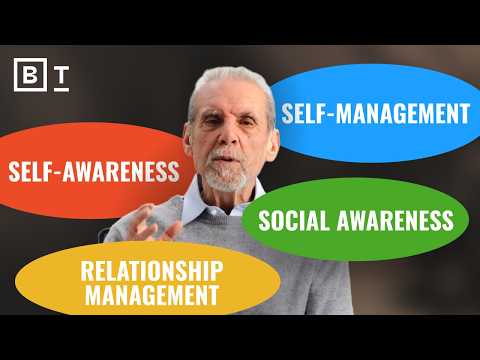
Goleman breaks down emotional intelligence into a few key parts: self-awareness, self-regulation, social awareness, and relationship management. Self-awareness is like looking in the mirror and recognizing what you’re feeling—why you feel that way—and being cool with it instead of just reacting like a knee-jerk robot! For my friend, this meant recognizing her frustration wasn’t just because of everyone else; it also came from her wanting to be perfect all the time.
Then there’s self-regulation—basically managing those emotions without letting them control you. It’s about taking a breather before firing back in anger or taking things too personally at work. It’s hard! But that little pause can seriously turn an argument into an open conversation.
Social awareness is all about empathy—you know, being able to step into someone else’s shoes for a moment? That can totally change how we interact with people around us. In my friend’s case, understanding where her teammates were coming from could have made a big difference.
Finally, relationship management is kind of the cherry on top—it’s about using all those insights to foster better connections with others. When you blend all these elements together, it’s like having superpowers in communication! You start navigating social situations way better.
Goleman really nailed how crucial emotional intelligence is for success in life—not just at work but in personal relationships too. I mean, look around! It feels like people are more connected yet distant than ever because they don’t really get each other’s feelings.
So yeah, diving into Goleman’s work opens up a whole new perspective on handling life’s ups and downs. It’s not just academic stuff anymore; it actually gives practical ways to make life smoother by tuning into those feelings we often overlook or shove aside! If only my friend had known this sooner—things might’ve been way easier for her at work!