You know those moments when someone just gets you? Like, they read your feelings without you even saying a word? That’s emotional intelligence for you.
It’s all about understanding emotions—yours and others’. Seriously, it can change how we connect with people.
Think about it: have you ever had a friend who just knew when you were down, or maybe a coworker who totally clashed with you because they didn’t pick up on your vibe? That’s emotional intelligence in action!
So, let’s chat about what it really means and why it matters in our daily lives. Trust me, once you get this whole thing down, relationships could feel a lot smoother.
Understanding Emotional Intelligence: Insights into Human Behavior
Emotional Intelligence, or EQ, is all about understanding how we and others feel. It’s like having a superpower for your feelings! You know how some people seem to just get you? They can read the room, know when you’re upset, and handle their own emotions well. That’s emotional intelligence in action.
Basically, there are a few key components that make up this skill:
- Self-awareness: This means recognizing your own feelings and how they affect your thoughts and actions. Imagine feeling anxious before a big presentation. If you know you’re anxious, you can find ways to manage that feeling.
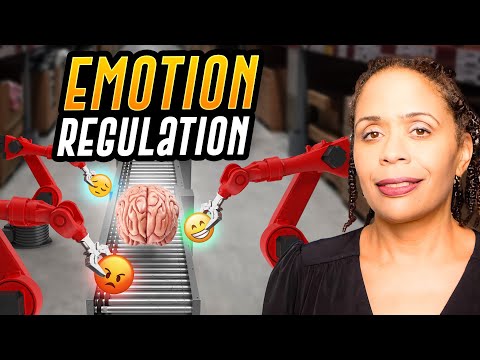
- Self-regulation: This is about controlling your emotions instead of letting them control you. Like, if you’re angry at someone, instead of snapping at them, you take a deep breath and think it through.
- Motivation: People with high emotional intelligence tend to be more driven by their inner values rather than external rewards. So instead of just working hard for praise, they do it because they genuinely love what they do.
- Empathy: This is key for building connections with others. It’s about putting yourself in someone else’s shoes and really understanding what they’re going through. Like if a friend is going through a tough time, being there for them without judgment shows empathy.
- Social skills: These are the tools we use to interact with others effectively. Good communication helps build strong relationships and resolve conflicts smoothly.
Now let me share a quick story. A while back, I had a friend who always seemed to know when something was off with me. One day I was quiet during lunch—lost in my thoughts—when she asked if I was okay. Instead of brushing her off just because I didn’t want to talk, I realized she picked up on my vibe instantly! It struck me that her ability to tune into my emotions was an example of high EQ.
So why does all this matter? Well, people with higher emotional intelligence tend to have better relationships both personally and professionally (and who doesn’t want that?). They can navigate tricky situations with ease and often perform better at work because they understand team dynamics.
In short, emotional intelligence plays a crucial role in shaping how we act day-to-day—it influences our reactions, our relationships, and even our overall happiness! Whether it’s calming down when you’re frustrated or lending a listening ear to someone else’s troubles, developing this skill can seriously enhance your life experiences.
You see? Emotional intelligence isn’t just another buzzword; it’s an essential part of being human!
Exploring Emotional Intelligence: Its Impact on Human Behavior and Decision-Making
Emotional intelligence, or EI for short, is a big deal when it comes to how we interact with others and make decisions. It’s basically the ability to recognize, understand, and manage our own emotions while also being in tune with those of other people. You know how sometimes you just get a vibe from someone? That’s part of EI at play. Let’s break this down a bit.
1. Self-Awareness
This is all about knowing your feelings and what triggers them. Imagine you’re in a meeting, and your boss just shot down your idea. You might feel anger bubbling up inside, but if you’re self-aware, you can catch that feeling before it spills out. Instead of snapping back, you might take a deep breath and respond calmly.
2. Self-Regulation
Once you’re aware of your emotions, the next step is managing them. This means not letting anger or frustration control your actions. Picture this: you’re stuck in traffic and running late for an important appointment. If you let road rage take over, it’s not gonna help anyone! Keeping your cool can lead to better decisions on the road—a detour instead of screaming at the cars ahead.
3. Motivation
Emotional intelligence isn’t just about feeling; it’s about using those feelings to motivate yourself toward goals. Think about someone training for a marathon: their passion drives them to put in those early mornings and tough workouts because they have their eyes on the prize.
4. Empathy
This one’s huge! Empathy lets us connect deeply with others’ feelings—like when a friend is upset over a breakup and you can really feel their pain. It helps build strong relationships because it shows that you care. You can offer support without judging them because you’ve put yourself in their shoes.
5. Social Skills
Having good emotional intelligence means you’re usually pretty good at social interactions too! This includes everything from resolving conflicts smoothly to inspiring others with your enthusiasm or understanding how to communicate effectively based on who you’re talking to.
Now, let’s think about decision-making. When you’re emotionally intelligent, you’re not making choices on impulse alone; you’re considering how those choices will affect both yourself and others involved.
For example, let’s say you’re choosing between two job offers—one has great pay but terrible work culture, while the other pays less but has a supportive environment where everyone gets along well. Here’s where EI kicks in: if you think about how each job will impact your happiness and relationships long-term—not just the paycheck—you’re likely making a much wiser choice.
When people develop their emotional intelligence, they tend to show improved leadership skills too! They can manage teams better because they understand what makes each member tick emotionally—that leads to higher job satisfaction overall.
So next time you’re navigating some tricky social waters or making an important decision, remember that emotional intelligence is like your trusty compass guiding you through all those ups and downs we face every day!
Enhancing Daily Life: The Critical Role of Emotional Intelligence
Emotional intelligence (EI) is like that secret sauce in our daily lives, adding flavor and depth to how we connect with ourselves and others. Basically, it’s all about recognizing, understanding, and managing emotions—both your own and those of the folks around you. When you tap into your emotional intelligence, you really enhance the way you navigate through life. It’s super critical!
So, what exactly does emotional intelligence involve? Well, it’s often broken down into a few key components:
- Self-awareness: This is knowing your own emotions and how they affect your thoughts and behavior. Imagine realizing you’re feeling anxious before a big meeting. Instead of letting that anxiety take over, you acknowledge it and channel it positively.
- Self-regulation: It’s about managing those emotions effectively. For example, when someone cuts you off in traffic, rather than yelling or giving them a rude gesture, you take a deep breath and let it go.
- Motivation: This isn’t just about setting goals; it’s also about being driven by your own values rather than external pressures. Maybe you’re learning a new skill because it excites you—not just to impress anyone else.
- Empathy: This is huge! It’s about understanding others’ feelings even if they haven’t said anything outright. Like if a friend seems quiet at dinner; having empathy helps you pick up on that and check in with them.
- Social skills: Strong social skills help us build healthy relationships by communicating clearly and resolving conflicts peacefully. Picture yourself navigating a tricky conversation with ease—that’s social skill mastery!
Now think about how these skills play out in real life. Let me share a little story: I remember this one time when I was feeling really overwhelmed with work deadlines. Usually, I’d just buckle down and push through my stress alone. But thanks to my focus on emotional intelligence, I was able to talk openly with my team about what I was feeling. They totally understood! We ended up collaborating in ways that not only relieved my stress but actually improved our project outcome.
The beauty of emotional intelligence is that it’s not just reserved for high-stakes situations; it affects everyday interactions too! Whether you’re ordering coffee or having dinner with family, EI can make those moments less stressful and more enjoyable.
Think about how enhancing your emotional intelligence can elevate every aspect of life—from work performance to personal relationships. You’ll likely find yourself more resilient during tough times since you’ve learned to navigate emotions like a pro.
Lastly, the role of emotional intelligence isn’t just personal—it can ripple outwards too. When people around us develop their emotional awareness or manage their feelings better, we all benefit from stronger connections within communities.
Increasing your EI doesn’t happen overnight—it takes practice! But everything from self-reflection to actively listening can get the ball rolling toward building these vital skills.
In short? Emotional intelligence isn’t just about *being smart with feelings*, but truly living better every day by connecting deeper with what really matters—yourself and others!
You know, emotional intelligence is one of those things that often flies under the radar, but it’s super crucial for how we navigate life. It’s not just about understanding your feelings—though that’s a big part of it—but also about recognizing emotions in others and managing relationships. How you handle stuff like stress, empathy, and making decisions can really shape your interactions with people.
I remember this one time during a group project in college. We had this team member who was always getting stressed out and kind of snapped at us when things weren’t going smoothly. Instead of getting defensive, I tried to see where they were coming from. After a conversation that turned out to be pretty humanizing, we worked together better than before. That taught me how powerful it is to tune into someone else’s feelings—it’s like flipping a switch that lights up better collaboration.
So, let’s break it down a bit. Emotional intelligence basically has four parts: self-awareness, self-management, social awareness, and relationship management. Self-awareness means knowing what makes you tick—like when you’re angry or sad—and being able to name those feelings. You know how sometimes you just feel off but can’t quite put your finger on why? Boosting your self-awareness helps with that.
Next is self-management, which is about controlling those emotions instead of letting them control you – kinda like when you feel like screaming but decide to take a deep breath instead. It’s not easy! Then there’s social awareness—basically understanding the vibes around you and picking up on other people’s emotions without them even saying anything.
Finally, relationship management wraps it all up by allowing you to build strong connections with folks around you—be it friends, family or coworkers. It involves communicating effectively and resolving conflicts in ways that don’t leave everyone feeling drained.
People with high emotional intelligence tend to navigate life’s ups and downs much smoother than those who don’t have it as developed. They’re usually the ones who can calm tense situations or provide support without being asked for it. It’s like they have this sixth sense for reading the room!
But developing emotional intelligence isn’t something that happens overnight; it’s more of an ongoing journey—you learn as you go along through experiences and interactions with people around you. If you’ve ever found yourself in an awkward conversation where someone was upset and didn’t say anything but their body language screamed “I need help!” then you’ve caught a glimpse of what social awareness looks like.
So yeah, emotional intelligence plays a big role in human behavior because it shapes how we connect with others and manage our own feelings. It reminds us that everyone has their own battles they’re fighting behind closed doors—and sometimes all it takes to lighten someone’s load is simply being there for them emotionally!