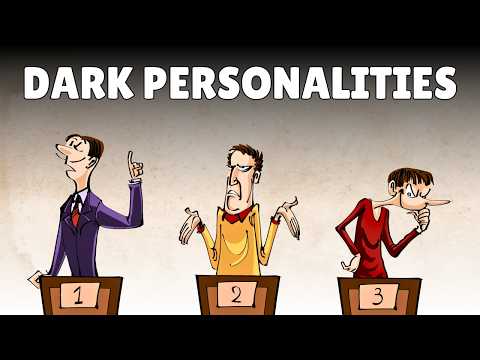
You know those people who just seem to have a knack for making everything about themselves? Yeah, that’s a vibe, and it can drive you nuts.
Let’s talk about something that might sound a bit intense: The Dark Triad. It’s not just a fancy term; it actually points to some pretty toxic traits we might encounter in others—or maybe even in ourselves!
Think narcissism, Machiavellianism, and psychopathy. Sounds dramatic, right? But it’s super relevant to our lives—like running into that one friend who always plays the victim or the colleague who’ll throw you under the bus to get ahead.
Grab your coffee, because we’re diving deep into this rabbit hole of human behavior. Who knows? You might even recognize a few patterns along the way…
Understanding the Dark Triad: Unpacking Narcissism and Its Characteristics
The Dark Triad is a term in psychology that refers to a trio of personality traits: narcissism, Machiavellianism, and psychopathy. While all three can be pretty toxic in their own way, let’s shine a light on **narcissism** specifically.
Narcissism is characterized by an excessive focus on oneself. You might know someone who constantly seeks admiration or believes they’re superior to others. It’s not just about being self-confident; it’s more like taking it to an extreme where empathy for others takes a backseat.
People high in narcissistic traits often display the following characteristics:
- Grandiosity: They tend to have an inflated sense of their own importance and abilities.
- Need for admiration: They seek constant praise and attention from others.
- Lack of empathy: Understanding or caring about other people’s feelings isn’t really their thing.
- Sensitivity to criticism: They can’t handle even mild feedback and may respond defensively.
Let’s imagine you’ve got a friend who always makes everything about them—birthday parties turn into debates over who has the best achievements, and every conversation somehow circles back to their success or problems. This might be annoying at first, but then you start realizing how little they ask about your life or struggles. That’s a classic example of how narcissism plays out in real life.
There’s also this interesting twist: some people may have **vulnerable narcissism**, which combines insecurity with high self-focus. They might crave validation because deep down, they’re not actually feeling too secure about themselves.
Now, here’s the kicker: being around someone with strong narcissistic traits can really drain your emotional energy over time. It can feel like walking on eggshells since you never know how they’ll react to what you say or do. Maybe you’ve felt this way? It’s like juggling while blindfolded at times.
Narcissistic people often struggle in relationships too. Their need for constant validation leaves little room for healthy give-and-take dynamic. Imagine dating someone who thinks their needs are always more important than yours—that’s super tough!
Finally, it’s worth mentioning that while narcists often seem confident, that bravado can mask deep-seated insecurities and fears of inadequacy. So next time you encounter someone who seems overly self-absorbed, consider this mix of traits behind the facade.
Understanding these characteristics doesn’t just help us label behaviors; it gives us insight into why some people interact with the world—and with us—the way they do!
Understanding the Dark Triad: A Deep Dive into Manipulation Techniques and Their Implications
The Dark Triad is a term used in psychology to describe three personality traits: narcissism, machiavellianism, and psychopathy. Each of these traits has its own flavor, but they often blend together, making individuals who exhibit them particularly challenging to deal with. So, let’s break this down a bit.
People high in **narcissism** tend to have an inflated sense of self-importance. You know the type, right? They love attention, often seeking admiration from others. It’s like they walk into a room and immediately want everyone’s eyes on them. This trait can lead to some pretty interesting manipulation techniques. For example, they might play the victim or use flattery to get what they want. Clever, huh?
Now onto **machiavellianism**. This trait revolves around being cunning and strategic. Think about political schemers or those who’ll do anything to achieve their goals—manipulating others is second nature for them. They’re not necessarily impulsive but are calculated in their actions. For instance, they might create situations that force others into making decisions that benefit them while looking innocent at the same time.
And then we have **psychopathy**, which is often the most misunderstood of the bunch. It’s not just about being anti-social; it includes a lack of empathy and emotional depth too. These folks can be charming and engaging on the surface but might feel nothing when hurting someone else or breaking rules for their gain. Like a wolf in sheep’s clothing! They can manipulate emotions skillfully because they understand how people think—just without genuine emotions involved.
So what are some **manipulation techniques** used by these individuals? Let’s look at a few:
- Gaslighting: This involves making someone doubt their own perceptions or feelings.
- Love bombing: A narcissist may shower someone with affection to gain trust before shifting behaviors later.
- Triangulation: A machiavellian person might involve third parties to manipulate situations or create conflict.
- Lack of accountability: Often seen in psychopaths who never admit wrongdoing even when faced with clear evidence.
The implications of these traits can be far-reaching. Relationships with people exhibiting these behaviors can be draining, causing emotional turmoil and confusion over time. You might find yourself questioning your worth or sanity if you’re entangled with someone who uses these tactics.
In workplaces, it can foster toxic environments where trust erodes quickly among colleagues as manipulation occurs behind closed doors. It makes teamwork difficult because you’re always watching your back!
So here’s the crux: understanding these traits equips you with knowledge about human behavior that can help you navigate tricky waters in relationships—be it personal or professional! The goal isn’t to label everyone you meet but rather recognize patterns that could save you from potential drama down the road.
You follow me? Recognizing these behaviors means you’re better prepared for whatever curveballs come your way!
Understanding the Dark Triad Personality Traits: Implications and Insights for Legal Professionals
The Dark Triad is a term you might’ve heard floating around. It refers to three personality traits: **narcissism**, **Machiavellianism**, and **psychopathy**. Together, they paint a pretty clear picture of some toxic behaviors people can exhibit. If you’re in the legal field, understanding these traits can be really eye-opening.
Narcissism is all about self-importance. Narcissists believe they are superior to others and often lack empathy. Imagine working with someone who constantly seeks validation but doesn’t care how their actions affect anyone else. They might charm you at first, but if things don’t go their way? Watch out!
Machiavellianism is about manipulation and deceit. People with this trait are great at playing the long game; they strategize for personal gain without much regard for ethics or morals. Picture a lawyer who bends the truth just enough to win a case—skirting around what’s right while focusing on what’s advantageous.
Psychoopathy, while it might sound intense, generally refers to impulsivity and a lack of guilt or remorse. Think of a person who can lie so easily it’s chilling, or someone who takes risks without worrying about the consequences for themselves or others. In legal scenarios, this could lead to unethical practices that hurt clients and undermine justice.
Understanding these traits helps in various ways:
- Negotiation Skills: Recognizing dark triad traits can give you an edge in negotiations, helping you predict how someone may react or manipulate the situation.
- Client Relationships: Knowing whether your client displays these traits can inform how you communicate with them, ensuring that your strategies align with their behaviors.
- Courtroom Dynamics: Awareness of these personalities can allow legal professionals to better understand opposing counsel or witnesses and adjust tactics accordingly.
Here’s an example: Let’s say you’re dealing with a narcissistic client who wants their case handled in an unrealistic way. If you recognize their need for admiration, you could frame your recommendations as steps towards achieving something impressive in court rather than just pointing out potential pitfalls.
But there’s more! Building awareness around these characteristics isn’t just helpful—it’s essential for maintaining integrity in your practice. If you’re dealing with someone high on the dark triad spectrum, becoming too invested emotionally might blindside you down the road.
In summary, grasping the Dark Triad isn’t just some academic exercise—it’s practical knowledge that can enhance your effectiveness as a legal professional. As you navigate relationships filled with potential manipulation or self-interest, being aware of these traits provides crucial insights into human behavior that matter in real-life situations.
You know, when we talk about the “Dark Triad,” it kind of sounds like we’re diving into some spooky territory. But really, it’s just a fancy term that describes three not-so-great personality traits: narcissism, Machiavellianism, and psychopathy. And believe me, these traits can turn people into real-life characters you see in movies—like, the ones who stir the pot and leave everyone wondering what just happened.
First off, let’s break it down a bit. Narcissism is that self-obsessed vibe where someone thinks they’re the absolute best at everything. They crave attention and admiration like it’s oxygen. Picture someone who interrupts conversations to brag about their latest accomplishments or one-upping you with their wildest vacation stories. It’s exhausting!
Then there’s Machiavellianism, which is all about manipulation and deceit. If you’ve ever met that person who seems to always play both sides in a friendship or work setting? Yeah, they might be channeling some of that Machiavellian energy. It’s like they have this underlying goal to get ahead by any means necessary—no matter who gets hurt along the way.
And let’s not forget about psychopathy. This isn’t just your average antisocial behavior; it’s characterized by a complete lack of empathy. You could be sharing a heartfelt story and you notice they’re more interested in scrolling their phone than engaging with what you’re saying. It doesn’t feel great when someone turns out to be so disconnected from emotions that they seem almost… robotic.
I remember this one time I was hanging out with a group of friends, and we had this new guy join us—let’s call him Mike. At first, Mike seemed charming and witty; he was funny, cracking jokes left and right! But as the night went on, I noticed he would casually put down others to make himself look better. It kind of felt gross rather than funny after a while. By the end of the evening, I realized he was displaying some classic narcissistic traits mixed with a sprinkle of manipulation here and there.
So why does this matter? Well, understanding these toxic traits can really help you navigate relationships better—whether they’re work-related or personal ones. Knowing how to spot these behaviors means you can protect yourself from getting caught up in drama or emotional rollercoasters that drain your energy.
The thing is, we all have our quirks—we’re human after all—but recognizing when those quirks tiptoe into darker territory can help us steer clear before getting too deep in murky waters. It’ll save you from unnecessary heartache! So yeah, keep an eye out for those red flags; life’s too short to deal with toxicity when there are so many awesome people out there waiting to light up your world!