So, let’s chat about dating someone with Borderline Personality Disorder, or BPD for short.
It can be like riding a rollercoaster—thrilling and terrifying all at once! You might feel super connected one minute, and then bam, everything feels off the rails.
You probably have questions swirling in your head. Why do they seem so intense? Why the sudden shifts in mood?
Honestly, it’s a lot to unpack. But hey, you’re not alone in this. Lots of people are navigating these waters too.
Understanding each other is key here, and that’s what we’re going to dig into! So grab a snack and let’s break it down together.
Navigating Relationships: Building Healthy Connections with a Partner Who Has BPD
Navigating a relationship with someone who has Borderline Personality Disorder (BPD) can feel a bit like walking a tightrope. It’s challenging, but it can also be rewarding. So, how do you build that healthy connection?
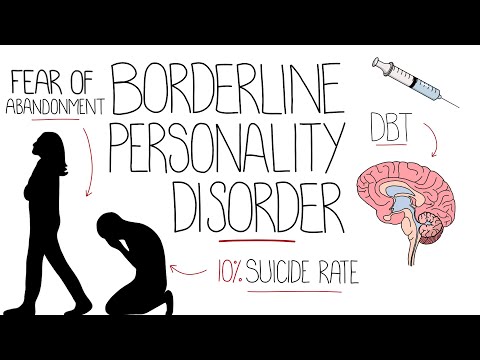
First things first, understanding what BPD is all about is key. People with BPD often experience intense emotions and have difficulties with relationships. They may struggle with fear of abandonment or have “black and white” thinking, meaning they might see things as all good or all bad. It’s like living on a rollercoaster—one minute everything feels great, and the next it’s chaotic.
Communication becomes your best friend here. Open and honest dialogue is crucial. Create a safe space where both of you can express feelings without judgment. If your partner feels hurt or misunderstood, try to listen actively and validate their feelings, even if you don’t completely get it.
For example, let’s say your partner tells you they’re feeling abandoned because you hung out with friends one night. Instead of brushing it off or getting defensive, acknowledge their feelings: “I hear you saying that my going out makes you feel alone. That’s tough.” Even if it doesn’t seem rational to you at that moment, validating those emotions goes a long way.
Consistency matters too! Having routines and being predictable in your actions can help create a sense of stability for someone with BPD. If plans change or surprises come up (which happen in life), gently reassure them that everything is okay and express why changes are necessary.
Another important point is boundaries. These protect both of you from feeling overwhelmed or drained. You want to be supportive, but it’s also vital to take care of yourself too! Setting clear boundaries shows that while you’re there for them, you’re also respecting your own needs.
Imagine this: after work, you’ve had a long day and need some alone time to recharge. Let your partner know! Something like “Hey, I love spending time together but I really need some quiet time right now.” This clarity helps prevent misunderstandings later on.
The idea of self-care can’t be overlooked either for both partners involved in this relationship dynamic. It’s not selfish; it’s necessary! Engage in activities that rejuvenate you—like hanging out with friends or pursuing hobbies—so you’re emotionally available when needed.
Moreover, gently encouraging your partner to seek therapy can be beneficial too if they aren’t already in treatment. Professional support may help them learn coping strategies and tools to manage their emotions better.
Finally, avoid getting sucked into emotional extremes yourself. When conflicts arise (and they will), try not to mirror the intensity of their feelings instantly. Maintain calmness in the storm to help ground the situation as best as possible.
In sum, building healthy connections involves understanding each other deeply and navigating those emotional ups and downs together thoughtfully—all while keeping communication lines wide open! It’s not easy but taking small steps every day makes all the difference in forming that bond amidst challenges.
Understanding the Breakup Cycle in Borderline Personality Disorder: Causes and Insights
Understanding the breakup cycle in Borderline Personality Disorder (BPD) can be a real eye-opener if you or someone close to you is dealing with it. So, let’s break it down together.
First off, **BPD** often comes with intense emotions and unstable relationships. You might notice patterns where things are great one moment and then suddenly hit rock bottom. This cycle usually revolves around a few key causes.
- Fear of Abandonment: People with BPD can feel a deep-seated fear of being left alone. This fear might trigger intense reactions, even over small issues. A friend of mine once shared how her partner would become anxious if she didn’t text back within minutes.
- Black-and-White Thinking: It’s common for someone with BPD to see things in extremes—someone is either all good or all bad. This perspective shift can lead to dramatic relationship changes. You could be a hero one day and the villain the next, just like that!
- Emotional Dysregulation: Managing emotions can feel like climbing a mountain for people with BPD. They may struggle to control their feelings during conflicts, which can escalate arguments quickly.
- Idealization and Devaluation: At the start of a relationship, they may idolize their partner, but as things progress, any conflict can trigger devaluation. Imagine someone who feels incredibly close to you one week but suddenly thinks you’re terrible just because of a misunderstanding.
These cycles often play out like this: there’s an initial conflict—maybe an argument about something minor—and then it spirals into something way bigger than intended. The person with BPD might react strongly because the fear kicks in hard. You see, when they sense that emotional connection is threatened, their brain goes into survival mode.
It’s essential to remember **communication** is key here. Open discussions about feelings and boundaries might help ease some tension—you know? If both partners understand this pattern exists, it can smoothen out some rough edges.
Another big point is that support systems matter tons. Friends or family acting as buffers during tough times can help prevent those extreme emotional swings from going all the way off the rails.
But here’s where it gets tricky: anyone dating someone with BPD needs to be aware of their own limits too. If you find yourself constantly sinking into that cycle too—experiencing emotional exhaustion—it might be time for some self-care or getting support for yourself.
Just remember: understanding this cycle helps foster empathy but doesn’t excuse harmful behaviors on either side. There are moments when both partners need space or understanding; sometimes taking a step back can prevent deeper wounds from forming.
In short? The breakup cycle in BPD isn’t just about broken hearts—it’s about deeply rooted fears and emotional patterns that need compassion on both sides to navigate successfully!
Understanding Dating Dynamics with a Partner Affected by BPD: Key Insights and Guidance
Dating someone with Borderline Personality Disorder (BPD) can be a bit of a rollercoaster ride. It’s not just about romance; it’s about understanding emotions that can swing from joy to anguish in a heartbeat. The thing is, BPD affects how someone thinks and feels about themselves and others, which makes relationships really intricate.
So, what’s the first thing you should know? Emotional Intensity: People with BPD often experience emotions more intensely than others. This means that moments of happiness can feel euphoric, while sadness or anger can hit like a tidal wave. Just imagine having an amazing date filled with laughter, and then suddenly, they seem distant or upset over something small. It’s confusing, but it’s important to realize this isn’t about you—it’s their emotional landscape.
Fear of Abandonment: Another key aspect is their intense fear of abandonment. Even little things—like you being late or not responding instantly—can trigger those feelings. Picture this: You’re running 10 minutes behind for dinner because of traffic, and your partner might spiral into thoughts like “They don’t care about me” or “I’m all alone.” It’s important to reassure them when these fears pop up.
Communication is Key: On that note, open communication is essential! Let your partner know how you’re feeling too. If something bothers you—or if you’re feeling overwhelmed—it’s okay to express that! For instance, saying “I need some space right now but I’ll reach out soon” can go a long way in maintaining trust without triggering their fears.
- Validation Matters: Validate their feelings even if they seem out of proportion to you. Phrases like “I get why you feel that way” can help them feel understood.
- Avoiding Triggers: Try to learn what triggers intense reactions in your partner—be it certain topics or situations—and navigate around them when possible.
- Setting Boundaries: Don’t forget about your own well-being! Set clear boundaries for yourself too, so you remain balanced in the relationship.
You might find yourself at times feeling emotionally drained or overwhelmed due to these dynamics. It’s totally valid! Self-care is crucial here; think time spent with friends or indulging in your hobbies when needed. Remember: Your emotional health matters just as much as theirs!
Coping Strategies: Encouraging strategies for coping during rough patches can be helpful too—like grounding exercises or journaling feelings. When things get heated or tense, having tools at hand keeps the situation from escalating further.
Anecdote alert: A friend once told me about her experience dating someone with BPD. They had this incredible chemistry but would often have blow-up arguments triggered by little misunderstandings. After realizing what was happening behind the scenes—the intense emotions and fears—they both started working toward better communication and understanding each other more deeply. Slowly, things improved significantly!
Navigating dating dynamics with someone affected by BPD involves patience, empathy, and sometimes learning new ways of connecting emotionally. It might feel challenging at times—but keep at it! With a solid effort on both sides, love can flourish even through stormy weather!
Dating someone with Borderline Personality Disorder (BPD) can feel like a wild ride, you know? One minute you’re floating on cloud nine, and the next, it’s like you’ve hit turbulence. For many folks, this experience can bring up a mix of emotions—love, frustration, confusion.
Imagine being on a date. You’re in that sweet moment of connection—everything seems perfect. But then suddenly, your partner swings from feeling incredibly close to feeling abandoned or upset over something that feels minor. It’s like you took one wrong turn on the road, and now you’re lost in the woods. These emotional shifts aren’t just random; they come from the deep-seated fears and insecurities that often accompany BPD.
I remember this one time a friend of mine was dating someone with BPD. They’d have these amazing nights—candlelit dinners where they couldn’t stop laughing together. But then, out of nowhere, my friend would get a text asking why they hadn’t called back earlier or if they still cared about their relationship. Those moments create this kind of roller coaster where you’re constantly trying to reassure your partner while also managing your own feelings.
You see, the emotional intensity can really elevate connection but also create anxiety. Many partners find themselves walking on eggshells at times because they’re trying to avoid triggering an intense reaction. One minute you might be planning a fun weekend together and the next you’re comforting them because they’re spiraling over a fear of abandonment.
It’s important to remember that when you’re dating someone with BPD, communication is key—like super key! Being open about feelings and concerns can help build trust. Using “I” statements can keep things less accusatory and more about how each other feels. Like instead of saying “You always get upset,” maybe say “I feel worried when things get tense.” This way it’s less about blaming and more about connecting.
Yet it’s not just about supporting your partner; it’s crucial to take care of yourself too! Establish boundaries where necessary—the line between support and losing yourself in someone else’s struggles can be thin as ice sometimes.
So yeah, navigating this dynamic often requires patience and compassion—not just for your partner but for yourself as well. It might be tough some days; other days might feel magical. Ultimately though, it becomes part of the journey together—a way to learn more about love in its imperfect forms.