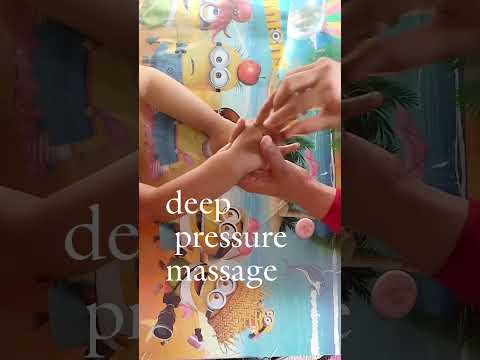
You know that feeling when you just want to melt into your couch after a long day? Like, everything’s been chaotic, and you need something to ground you? That’s where deep pressure therapy comes in.
It’s all about that comforting weight. Imagine being wrapped in a cozy blanket or getting a solid bear hug from a friend. Ahh, right?
But it’s more than just cozy vibes—it really taps into our bodies and helps us chill out.
So, if you’re curious about how a little pressure can bring some serious emotional relief, stick around! Let’s explore this together.
Understanding Proprioceptive Seekers: Characteristics, Behaviors, and Strategies for Support
So, let’s talk about proprioceptive seekers. You might be wondering what that really means. Well, it’s a term used in psychology and sensory processing to describe people who crave certain types of sensory input, especially deep pressure. These folks are on a quest for information from their bodies about where they are in space. This sounds a bit technical, but stick with me—it’ll make sense.
Proprioception is basically your body’s ability to sense its position and movement. It’s how you know if your arm is raised or if you’re sitting straight up. Now, for some people—often kids with sensory processing issues—this sense can be underdeveloped, leading them to seek out experiences that provide that deep pressure input.
Characteristics of proprioceptive seekers can vary widely, but here are some common traits:
- They love hugging tightly or wrapping themselves in heavy blankets.
- You might catch them jumping or crashing into things while playing.
- Squeezing stress balls or fidgeting with tactile objects makes them feel good.
- They often seek physical activities like climbing or gymnastics.
Let me share a quick story to illustrate this. I remember a little girl named Mia who would always wrap herself up in her dad’s big sweater when she was nervous. She’d say it felt like a warm hug. It wasn’t just about comfort; it was her way of getting that proprioceptive input she needed to calm down.
Now let’s chat about behaviors. Proprioceptive seekers might engage in activities that provide strong feedback from their muscles and joints. They’re often drawn to roughhousing with friends or doing things that involve resistance or compression. You’ll see them pushing against walls or pulling heavy objects—anything to get that satisfying feeling of pressure.
So, how can we support these seekers? Here are some strategies:
- Create safe spaces where they can jump, roll, and crash without worrying about getting hurt.
- Incorporate deep pressure activities into daily routines; think weighted blankets during relaxation time or hugs before bed.
- Encourage physical play that offers resistance, like swimming or climbing gyms.
- Provide fidget tools that offer different textures and types of pressure for classroom settings.
The thing is, understanding their needs allows you to create an environment where they feel secure and fulfilled. Instead of seeing their behaviors as disruptive, recognizing them as expressions of need can change everything.
In short, proprioceptive seekers need support tailored to their unique cravings for sensory experiences. By embracing this aspect of who they are and finding constructive ways to meet those needs, we help them thrive!
Exploring the Emotional Release Potential of Deep Tissue Massage
When you think about deep tissue massage, what usually comes to mind? For many, it’s all about easing tension in muscles and joints. But there’s a surprising twist—this kind of massage can also help with emotional release. Let’s break this down.
First off, deep tissue massage involves applying firm pressure to the deeper layers of muscle and connective tissue. It sounds simple, right? But what’s actually happening is that this technique helps to release not just physical tension but also emotional stress that’s been locked away in your body.
Ever had a day where everything felt too much? You might feel tightness around your neck or shoulders. That physical discomfort often signals something deeper. When you get a deep tissue massage, those knotted muscles can start to let go of more than just physical strain.
- Releasing Stored Emotions: Sometimes during or after a session, people report feeling unexpectedly emotional. It could be tears or even laughter! This emotional response is quite common because the body holds onto stress—literally. When the knots are loosened up, it can stir up emotions you didn’t even realize were there.
- The Role of Cortisol: Stress hormone cortisol builds up in the body over time. A good deep tissue massage may help reduce the levels of cortisol significantly, leading to less anxiety and more ability to process your feelings.
- Improved Blood Flow: This form of therapy increases circulation. More blood flow means better oxygenation and nutrient delivery throughout the body, which can promote overall relaxation and emotional stability.
You might be wondering if there are specific scenarios where this type of massage shines brighter in terms of releasing emotions. Think about moments when you’re overwhelmed—maybe after a stressful job interview or dealing with relationship troubles. After such experiences, receiving a deep tissue massage can help clear up that clutter both physically and emotionally.
You know that feeling when you finally talk about something that’s been bothering you for ages? That sense of relief is similar to what many experience during and post-massage sessions.
A few folks may also find it helpful to express their feelings verbally while receiving treatment, kind of like talking through what they’re experiencing as they get worked on. It’s not only about physical touch; it creates a safe space for emotional expression too!
If you decide to give it a go, remember every individual is unique. What works for one person might not resonate with someone else—but that’s cool! Explore different techniques until you find what releases those concealed feelings for you.
In summary, deeply relaxing every part of your being through deep tissue massage has potential benefits far beyond mere muscle relief. It connects physical touch with emotional well-being, allowing for profound moments of letting go—and who couldn’t use some extra relief now and then?
Mastering Self-Administered Deep Pressure Therapy: A Step-by-Step Guide
Alright, let’s chat about self-administered deep pressure therapy. This technique is all about using firm pressure on your body to create a soothing effect. It’s kinda like getting a hug from the inside out, you know?
When you apply deep pressure, it stimulates the release of feel-good hormones, like serotonin and dopamine. These chemicals help manage stress and boost your mood. But how do you get started with this? Let’s go through some practical steps!
- Find a Comfortable Spot: Choose a quiet place where you feel safe and relaxed. Maybe sit on your bed or lay down on the floor. You want to be comfy.
- Select Your Tools: There are tons of options here! Some people use weighted blankets, stuffed animals, or even their own hands to apply pressure. Find what feels best for you.
- Apply Pressure: Start applying firm but gentle pressure to different areas of your body. You might try pressing down on your chest, legs, or arms. Think of it as giving yourself a nice little squeeze.
- Breathe Deeply: While you’re doing this, take slow and deep breaths. Inhale through your nose and exhale through your mouth. This helps calm your nervous system.
- Notice What You Feel: Pay attention to how your body responds. Are you feeling more relaxed? Less anxious? Just check in with yourself as you go.
You might find that certain areas need more attention than others. Maybe after a long day, your shoulders could use some extra love. Picture yourself giving them a good ole press—just like when you’re working out tension knots after a stressful week at work!
This isn’t just for when you’re feeling overwhelmed either; it can be part of your daily routine for emotional relief—a nice ritual before bed or during breaks while working from home.
The thing is, everyone reacts differently to deep pressure therapy. Like when I first tried it during finals week at college—I was super stressed! I used my cozy blanket and felt way calmer afterward; it was like magic!
The key here is consistency and personalization. Explore what works for you over time—whether that means switching up tools or adjusting the pressure level until it feels just right.
If you’re struggling with emotions often, incorporating this practice may help bring some relief, but always remember that it’s okay to reach out for support if needed!
In short, self-administered deep pressure therapy can be an effective way to manage stress and promote emotional well-being if done regularly! So why not give it a try? You might discover something new about how to care for yourself better!
You know that feeling when you’re just overwhelmed by everything? Life hits hard sometimes, and it can feel like you’re under a heavy blanket of stress. Honestly, I think we all have those moments when the world feels a bit too much to handle. That’s where deep pressure therapy techniques come in.
Let me share a little story. A while back, my friend Sarah was going through this really tough phase—job stress, family issues, you name it. She looked like she was carrying the weight of the world on her shoulders. One afternoon, she tried this thing called deep pressure therapy. At first, she was skeptical, thinking it wouldn’t do much for her totally chaotic mind. But after just one session of being wrapped in a weighted blanket and getting some firm hugs from her mom (who is basically the queen of cozy), something clicked for her.
Deep pressure therapy is all about applying gentle but steady pressure on the body. It’s kind of like giving yourself permission to let go and chill out for a bit! The cool part? This pressure can help your nervous system calm down and release those pesky stress hormones that keep us feeling anxious or jittery.
To break it down, when you experience that comforting weight—like being swaddled or embraced—it can trigger your brain to release oxytocin and serotonin. Those are like your body’s natural feel-good hormones! It’s not some magical solution to all life’s problems, but it really can provide that emotional relief we all crave now and then.
Think about it: how many times have you felt more relaxed after a good hug or curling up under a heavy quilt? It creates this cozy cocoon effect where you can let your worries float away for just a moment.
Of course, there are different techniques out there—like weighted blankets, massage therapy, or even just good old-fashioned hugs from someone who gets you. Each person is different though. What works wonders for one person might not do anything for another.
So if you’re ever feeling swamped by emotions or life in general, maybe give deep pressure therapy techniques a try. You never know—it could be just what you need to lighten that mental load and bring some calm into your chaos!