You know how sometimes you look in the mirror and just feel… off? Like, maybe you’re judging every little thing about yourself? Well, that’s not just you.
Body image is a big deal for so many people. It’s like this crazy mix of how we see ourselves and how we think others see us too.
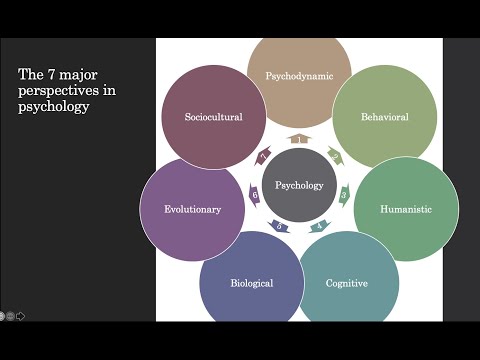
It can mess with your head in ways you wouldn’t believe. Different psychological perspectives help explain why we struggle with our bodies and what really gets under our skin.
So, let’s chat about that! We’re diving into what shapes our views on body image and why it matters more than we realize. Stick around; this is gonna be eye-opening!
Understanding Body Image Theory: Insights from Psychology
Understanding your body image is a big deal. You know? It’s that mental picture you have of how you look, and it can really affect how you feel about yourself. It’s not just about the surface, either. There’s a lot going on underneath, from societal influences to personal experiences.
basically explains how we perceive our own bodies and how those perceptions can shape our self-esteem and behavior. Like, if you think you’re not measuring up to what society says is beautiful, that can seriously mess with your confidence. And it doesn’t just stop there—our body image affects way more than how we see ourselves in the mirror.
Let’s get into some key points that are crucial in understanding this theory:
- Cultural Influences: The media plays a huge role. Think about those magazine covers or Instagram posts you scroll through. They often promote unrealistic standards of beauty, which makes many people feel inadequate.
- Developmental Factors: Your early experiences shape your body image too. For instance, if you were teased as a kid about your weight or height, that could stick with you for a long time.
- Comparison: You might find yourself comparing your body to others constantly—especially with social media being such a massive part of our lives now. This can lead to feelings of jealousy or resentment which don’t help at all!
- The Role of Psychology: Different psychological perspectives offer insights into body image. For example, cognitive-behavioral theories suggest that changing negative thought patterns can improve self-image.
- The Impact on Mental Health: Poor body image is linked to mental health issues like anxiety, depression, and even eating disorders like anorexia or bulimia.
One time I chatted with a friend who always seemed confident but she secretly struggled with feeling good about her body. She mentioned scrolling through social media and feeling bad about herself after seeing all those perfect images online. Just goes to show—it impacts people from all walks of life!
Also important is understanding body positivity. This movement encourages people to accept their bodies regardless of size or shape and helps counteract some of those negative influences we talked about earlier.
So what’s the takeaway here? Body image isn’t just a personal issue; it’s tied up in larger societal factors and psychology too. Recognizing these influences can empower people to challenge unrealistic standards and embrace their unique selves.
Getting comfy in your own skin takes work, but having insight into the psychology behind body image could be the first step toward feeling more confident overall!
Understanding When Girls Begin to Worry About Weight: Key Insights and Trends
It’s pretty common for girls to start worrying about their weight at a young age, like, way younger than you might think. This starts happening around the time they hit puberty, which can be anywhere from 8 to 13 years old. During this phase, they’re not just dealing with physical changes, but also the social pressures that can come from friends, media, and even family.
Media Influence plays a huge role here. You’ve probably noticed how ads and social media often flaunt unrealistic body standards. These portrayals can mess with a girl’s perception of what’s «normal» or «ideal.» So they’re comparing themselves to models or influencers who have been airbrushed or filtered to perfection! It’s no wonder that they start feeling anxious about their own bodies.
And let’s not forget about peer pressure. Girls often talk about weight and body image with their friends—maybe as part of a conversation over lunch or while scrolling through Instagram. If one friend expresses worries about gaining weight, it can set off alarms in others’ heads too. Suddenly everyone is trying to assess how they stack up against each other!
You might even hear some girls say things like “I need to lose a few pounds” or “I can’t eat that; I’ll get fat.” These statements show how deeply ingrained these worries are becoming. It turns into a cycle where anxiety leads them to change their eating habits or exercise routines in unhealthy ways.
- Family Attitudes: Sometimes what happens at home influences how girls see themselves too. Parents who focus on dieting or frequently comment on weight might inadvertently pass those concerns onto their kids.
- Self-esteem Issues: We all know self-esteem plays into this. If a girl doesn’t feel great about herself for any reason—like grades, friendships, or extracurriculars—it could end up affecting her body image.
- Cultural Factors: Different cultures can also shape how girls view body image and weight. For instance, some cultures celebrate fuller bodies as symbols of health and beauty while others idolize thinness.
As these worries grow over time, they can lead to serious issues like eating disorders. It gets tricky because sometimes these thoughts are brushed off as “normal” when they’re actually signs of deeper problems—like anxiety or depression.
This journey doesn’t have an easy fix either; it’s more than just shaking off negative thoughts about your body. Building self-worth outside of looks is crucial! Plus, open conversations about weight and body image—without judgment—can help girls feel supported rather than stressed out by these issues.
The thing is, awareness is key here! Understanding when and why girls start worrying about their weight helps us create an atmosphere where they can feel confident and valued for who they are—not just how they look!
Understanding the Four Key Aspects of Body Image: A Comprehensive Guide
Understanding body image can be a bit tricky, but breaking it down into four key aspects helps clarify things. Let’s jump right in!
1. Perceptual Aspect
This is all about how you see your body. It’s your mental picture of what you look like. And honestly, this can be way off sometimes! Think about that time you took a selfie and thought, “Yikes, I look terrible!” But in reality, others might see you completely differently. That discrepancy? It’s super common and often fueled by social media.
2. Attitudinal Aspect
Now we’re talking about your feelings toward your body. Do you embrace it or wish it were different? Like, do you feel proud when you look in the mirror or cringe? Your thoughts and feelings shape how you treat yourself physically and emotionally. Let’s say someone loves their strong legs from running; they’re likely to appreciate their body more than someone who focuses on perceived flaws.
3. Behavioral Aspect
This one deals with how your body image affects what you do. If you’re feeling confident, maybe you’ll wear that cute outfit you’ve been eyeing! But if you’re having a rough day with body image, you might opt for something baggy just to hide away a bit, right? Your choices—like what to wear or whether to hit the gym—can change drastically based on how you feel about yourself.
4. Sociocultural Aspect
This aspect zooms out a little and looks at the bigger picture—how society influences your body image. Think of all those magazines with flawless models or Instagram influencers promoting a certain “ideal” look. This pressure can mess with our heads big time! It shapes what we think is attractive and can lead some folks down the slippery slope of negative body image.
All these aspects interact in complex ways that affect our self-esteem and mental health too! Sometimes it’s hard to remember that everyone has their own struggles with body image—it’s not just you!
Understanding these elements helps not only in recognizing where we might need some work but also in forming a healthier relationship with our bodies overall. You know? That’s so important for living happier and feeling good about ourselves!
Body image can be such a tough topic, right? I mean, we all have those days when we look in the mirror and think, «Ugh, really?!». It’s like this constant battle between what we see and what we actually are. When you break it down, body image is shaped by loads of factors—societal standards, personal experiences, family dynamics—you get the picture.
Take a moment to think about those Instagram influencers or movie stars that seem to have it all together. It’s easy to slip into that comparison trap. That’s where the psychological perspectives come in. They help us understand why we might feel this way about our bodies.
For instance, let’s chat about the social comparison theory. Basically, it says we tend to measure ourselves against others. Ever scrolled through your feed and felt that little twinge of envy? Yep, that’s social comparison at play! On some level, it pushes us to want more—more fitness goals or tighter abs—but then again, it can totally wreck our self-esteem.
And there’s more! Cognitive dissonance is another angle worth mentioning. This one’s all about feeling conflicted when your beliefs don’t match up with your actions. If you’re telling yourself to love your body but then hating on that reflection every morning? Ouch! It creates this discomfort that can be hard to shake off.
I remember my friend Lisa—she was always so confident in how she carried herself until one day she mentioned struggling with her body image after seeing an ad for “summer bodies.” It was like a light bulb went off for her; she realized how much external pressure had seeped into her self-perception. That awareness was a game changer for her!
You know, sometimes just understanding these perspectives can help us cut ourselves some slack. It reminds us that everyone has their own battles with body image; you’re definitely not alone in this struggle. So maybe next time you catch yourself in front of the mirror feeling less than fabulous, try to reframe those thoughts using some of these psychological insights—it just might help you see things differently!