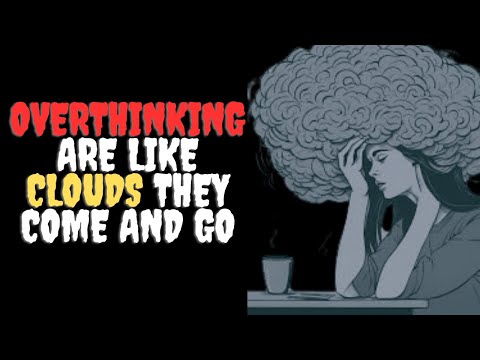
Ever find yourself stuck in your own head? You know, like when a thought just keeps circling around and around? That’s rumination for you.
It’s that annoying loop of overthinking we all fall into sometimes. And honestly, it can feel pretty draining. You might end up replaying a conversation or worrying about something that hasn’t even happened yet.
But what’s going on up there, anyway? Why do we get caught in these mental spirals?
Let’s take a closer look at this habit so many of us share. Trust me; getting to know your ruminating thoughts can be eye-opening!
Understanding Rumination: Is It Classified as a Mental Illness?
So, rumination, huh? It’s one of those things that sounds complicated but really isn’t. At its core, rumination is when you find yourself stuck on negative thoughts, replaying the same scenarios over and over in your mind. You might be asking yourself: is it just a quirk of human nature or something more serious?
Let’s break it down:
- What is Rumination? Basically, it’s that annoying mental loop where you keep thinking about something that upset you. Maybe it’s an argument with a friend or a mistake you made at work. Instead of moving on, you’re stuck analyzing every single detail.
- Is it a Mental Illness? Here’s where things get nuanced. Rumination itself isn’t classified as a standalone mental illness. However, it can be a significant feature of several disorders like depression and anxiety. When you’re ruminating frequently, it can escalate your feelings of sadness or worry.
- The Science Bit: Research shows that rumination can actually mess with your mental health big time. It’s linked to an increased risk of developing depression and can make existing symptoms worse.
- Anecdote: Think about someone you know who tends to dwell on the past—like that friend who can’t let go of their breakup from two years ago. They replay the scenario constantly, which ends up making them feel worse instead of moving forward.
- Bios: Knowing why we ruminate can be helpful! It’s often a way for our brains to cope—trying to make sense of things or find solutions. But sometimes this strategy backfires and leads to feeling even more overwhelmed.
You might find yourself wondering how to break free from this cycle if you’re caught up in it. There are some ways out there like mindfulness practices that encourage living in the moment and not just running circles in your head.
In Summary:
Nope! Rumination itself isn’t labeled as a mental illness, but it’s definitely intertwined with other issues and can take a toll on your well-being if left unchecked. Understanding what it is helps in figuring out how to manage those pesky thought loops more effectively!
If you’ve ever found yourself tangled up in thoughts that just won’t quit, know you’re not alone—and there are ways to tackle it!
“Effective Strategies for Treating Mental Rumination: Techniques and Approaches”
Rumination can be a tough cycle to break. It’s like getting stuck in a mental hamster wheel, just going round and round without getting anywhere. You know those moments when you replay conversations or events in your head, over and over? That’s rumination at play. Let’s unpack this a bit, including some effective strategies to tackle it.
Understanding Rumination is key. It often involves obsessively thinking about the same thoughts, usually negative ones. This can lead to feelings of sadness, anxiety, or stress. Why does this happen? Well, sometimes it’s triggered by unresolved issues, self-doubt, or even just boredom.
So how can we deal with it? Here are some techniques that might help:
Okay, so here’s a mini story: Picture Sarah—a friend who can’t stop replaying an argument she had last week with her coworker about a project deadline. Instead of moving on, she spirals into ‘what if’ scenarios that keep her up at night. Then one day she decides enough is enough! She starts journaling her feelings about the argument—writing everything down helped her sort through her emotions and realize it wasn’t as big of a deal as she’d made it out to be.
The point here is that rumination isn’t just annoying—it can impact our mental health. By using these strategies consistently, you might find yourself breaking free from that hamster wheel more easily than you thought possible.
In summary, moving past rumination involves some active steps: practicing mindfulness, journaling those swirling thoughts away, challenging their validity, accepting feelings as they come and incorporating physical activity into your routine could make a big difference in shifting gears towards better mental well-being!
Understanding Rumination: Key Examples and Implications for Mental Health Law
Rumination is that annoying habit of getting stuck in a loop of thoughts, you know? It’s when you keep replaying events or conversations in your mind over and over again. Like when you lay in bed at night thinking about that embarrassing thing you said months ago. Seriously, why do we do that?
When it comes to understanding rumination, we have to look at how it affects our mental health. It can lead to issues like anxiety and depression. When you’re constantly dwelling on negative experiences or worries, it’s like pouring gasoline on a fire. The more you think about it, the worse it can get.
So, here are some key points about rumination:
And then there’s the whole connection with mental health law. Understanding rumination has real implications for legal contexts, especially regarding mental competency evaluations. If someone is ruminating excessively, they might struggle to focus on the present moment during legal proceedings. Imagine being unable to think clearly because your mind’s busy dissecting past mistakes—it’s tough!
Plus, there’s also this concept called “mental state” in law where someone’s thought processes during a crime can affect their culpability. If someone was ruminating due to an underlying mental health issue at the time of an offense, judges might take that into account during sentencing.
Let me share a quick story: a friend of mine went through a tough breakup and couldn’t stop replaying every little detail in her head. She ended up feeling super anxious about future relationships because she kept thinking she’d mess everything up again! It took her a while to realize how much this was affecting her day-to-day life and decisions.
But here’s the kicker: not all rumination is bad. Sometimes reflecting on events helps us learn from them; you just gotta find that balance! Awareness can be key here—once you recognize when you’re stuck in those thought loops, you can start working on shifting your focus elsewhere.
So yeah, understanding rumination gives us insights not only into personal struggles but also how these issues can play out in bigger settings like courtrooms or therapy offices. Hopefully, this sheds some light on what’s happening when our minds won’t stop chattering away!
So, rumination, huh? It’s one of those things that can really mess with your head. Basically, it’s when you get stuck on the same thoughts or emotions over and over again. You know that feeling when you replay a moment in your head–maybe a conversation that didn’t go as planned or a mistake you made? It’s like your brain is stuck on repeat, like an old record that just won’t stop skipping.
I remember once getting really caught up in my own head after a job interview. I thought about everything I said, questioning my choice of words and wishing I’d mentioned something else. It was exhausting! The funny thing is, the more I ruminated, the more anxious I got about it. It felt like this downward spiral where one negative thought led to another until I was completely overwhelmed.
In psychological terms, rumination isn’t just about thinking; it’s about how those thoughts affect you emotionally and mentally. It often fits into larger patterns seen in conditions like anxiety and depression. When people ruminate, they might find themselves feeling sadder or more anxious than before—almost as if they can’t escape their own mental maze.
What’s wild is that while some reflection can be helpful–like learning from our mistakes–rumination takes it too far. Instead of problem-solving or gaining insight, it’s often just endless loops of self-criticism and regret. That leads to feelings of hopelessness sometimes because it seems impossible to break out of those thoughts.
But here’s the kicker: recognizing when you’re ruminating is a key step toward changing that pattern. Think about it—if you catch yourself going down that rabbit hole, it opens up opportunities for different thoughts or even distractions. And hey, talking to someone about what’s bugging you can also help shift your focus away from those repetitive thoughts.
So yeah, rumination can feel pretty isolating and heavy at times. But by understanding its nature and how it interacts with our emotions, we can start taking steps toward breaking free from those cycles of negativity and finding a bit more peace in our minds!