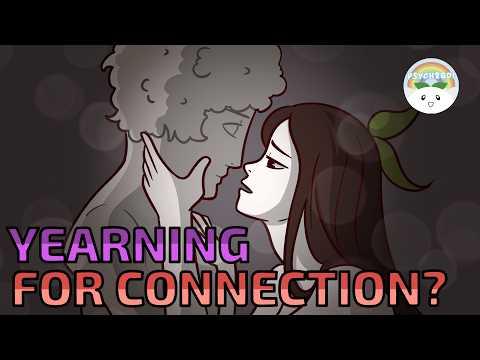
You know that feeling when you’re in a crowded room but somehow still feel completely alone?
It’s wild, right? Loneliness can hit hard, even when you’re surrounded by people.
And here’s the kicker—being lonely isn’t just about being by yourself. It often sneaks hand in hand with depression.
Like, seriously, it’s like they’re best buds hanging out together, making everything feel heavier.
We’ve all had those days where everything feels off—like you’re stuck in a fog and can’t find your way out.
Let’s dig into this thing together. We’ll chat about how loneliness and depression play off each other—and trust me, it’s more common than you think!
Exploring the Link Between Loneliness and Depression: Causes, Effects, and Solutions
Loneliness and depression often go hand in hand, and the connection between them can be pretty complex. It’s like a tangled web where one can pull the other down. So, let’s break this down into little bits.
Causes of Loneliness
You might feel lonely for several reasons. Maybe you’ve moved to a new city and left your friends behind. Or perhaps you’re going through a tough breakup. Whatever it is, loneliness can sneak up on you unexpectedly. Think about that time when you were in a crowded room but still felt completely alone. It hits hard, right?
- Social Isolation: This happens when you don’t interact with others enough.
- Life Transitions: Events like moving or changing jobs can make you feel disconnected.
- Age: Older adults often face loneliness more due to loss or mobility issues.
The Link to Depression
Now, in comes depression. It’s not just about feeling sad; it’s a deeper sense of hopelessness and lack of interest in things you once enjoyed. When loneliness creeps in, it can create this perfect storm for depression to thrive.
Here’s how they relate: Feeling lonely can make you more vulnerable to depressive feelings. You know that feeling when you’re stuck in your thoughts for too long? It’s kind of like being on a merry-go-round but never quite getting off.
- Cognitive Patterns: Loneliness might warp your thinking, making everything seem worse than it is.
- Lack of Support: If you’re feeling isolated, who do you turn to for help?
The Effects on Health
This isn’t just an emotional issue; there are physical effects too! Research shows that prolonged loneliness can lead to various health problems—like heart disease or weakened immune systems. Seriously! This isn’t just mental stuff; it’s body stuff too.
And who hasn’t felt more tired after a day filled with negative thoughts? It’s exhausting! When you’re down mentally, it takes a toll on your physical energy too.
Sparks of Hope: Solutions
But all isn’t lost! There are ways out of this dark tunnel. Finding connections is key—whether through friendships or community groups.
- Acknowledge Your Feelings: It sounds simple but giving yourself permission to feel lonely is huge.
- Reach Out: Call that friend you’ve been meaning to talk to! Trust me; they probably miss you too!
- Pursue Interests: Join clubs or classes that excite you—it’s a great way to meet new people!
So here’s the deal: while loneliness and depression are intertwined and tricky, recognizing their presence can be the first step towards healing those feelings. Take your time with it—you’ve got this!
Understanding the Psychology of Loneliness: Insights and Implications
Understanding Loneliness and Its Psychological Impact
Loneliness is like that feeling when you’re in a crowded room but still feel utterly alone. It’s not just about being by yourself; it’s this deep sense of disconnection from others. Seriously, many people experience it, regardless of their social situation. You could be surrounded by friends, yet still feel isolated. That’s where the psychology kicks in.
First off, it’s essential to recognize that loneliness isn’t always linked with being physically alone. Some folks can have a close-knit group and still feel lonely. What’s important here is quality over quantity—having a few meaningful connections can make all the difference. Emotional connection matters!
The Link Between Loneliness and Depression
It’s hard to talk about loneliness without mentioning depression. They often go hand in hand. When you’re feeling lonely, it can lead to feelings of worthlessness or sadness—classic symptoms of depression. It’s kind of like a vicious cycle:
Imagine someone who just moved to a new city for a job. They might have coworkers but don’t know anyone well enough to hang out with outside work. Initially exciting, over time the lack of friends starts weighing down on them, fueling feelings of inadequacy or sadness.
Cognitive Distortions at Play
Now, let’s touch on cognitive distortions—that’s fancy lingo for the way our brain tricks us into thinking negatively about ourselves or our situations when we’re feeling low. If you’re lonely, you might start thinking things like: “No one cares about me,” or “I’ll never find friends.” These thoughts seriously mess with your mood and can keep you stuck in that lonely headspace.
The Role of Social Media
Here’s something interesting: social media feels like it connects us but can actually contribute to loneliness! You scroll through photos where everyone looks happy and together while you’re sitting there feeling blah. It creates this illusion that everyone else has it figured out while you’re missing out.
Finding Meaningful Connections
So what do we do about it? Well, cultivating meaningful relationships takes effort and vulnerability—yeah, putting yourself out there can be scary! But little steps matter; maybe initiate a conversation with someone at work or join a club around something you love.
In summary, understanding loneliness means recognizing how intertwined it is with our mental health. Keep an eye on those negative thoughts; they can lead down dark paths quicker than you’d expect! And don’t forget: reaching out for connection—even in small ways—can spark joy and companionship where there once was emptiness.
Loneliness might seem daunting at times, but remember that it doesn’t define you nor your capacity for connection!
Understanding Loneliness and Its Impact on Mental Health: Key Statistics and Insights
Understanding Loneliness can seriously mess with your mental health. It’s more than just feeling alone; it can creep into your mind and affect your mood, relationships, and overall well-being. Think about those times when you felt isolated in a crowded room, or maybe you were surrounded by friends but still felt kind of empty inside. That’s loneliness hitting hard.
So, what does loneliness really do? Well, studies show that it’s linked to depression, anxiety, and even physical health problems. When you feel lonely, your body reacts as if you’re under stress all the time. It triggers that fight-or-flight response. Imagine carrying that weight around all day—it’s exhausting!
Here are some key insights about loneliness and its impact:
- Prevalence: About 1 in 3 adults report feeling lonely sometimes or often.
- Mental Health Outcomes: Lonely people are at a higher risk of experiencing depression. Research indicates that chronic loneliness can increase this risk by nearly 50%.
- Physical Effects: Loneliness isn’t just in your head; it can lead to problems like heart disease and weakened immunity.
- Aging Population: Older adults are particularly affected; they often face social isolation due to loss of loved ones or mobility issues.
It’s interesting to note that loneliness is not always about being alone. You could be in a relationship or have friends but still feel disconnected from others. This emotional distance makes it especially tricky.
Now let me share a little something personal—my friend Sam always seemed fine on the outside but spent many nights feeling invisible even at parties. One time he admitted that he felt like he was just there physically but mentally checked out. That really stuck with me because it highlighted how important connection is.
So how do we deal with loneliness? Searching for meaningful connections can make a huge difference! Whether it’s reaching out to an old friend or joining community activities, creating those bonds can help lift the fog of isolation.
In summary, understanding loneliness is crucial for taking care of our mental health. By recognizing its effects and being proactive about building connections, you’ll not only improve your own well-being but might help others who feel isolated too!
Loneliness and depression, man, they really know how to mess with your head. They seem to go hand in hand, you know? Like two old pals that just can’t break up. Picture this: you’re in a crowded room, yet you feel like you’re on another planet. That feeling of disconnection can eat away at you. It’s like being surrounded by people but still feeling completely alone, which is kinda ironic when you think about it.
So here’s the deal—loneliness isn’t just about not having friends or a partner. It’s more like this deep emotional ache that says something’s off in your social interactions. You could be in a loving relationship and still feel alone at times! It’s baffling, right? This sense of isolation can trigger or worsen depression. The brain kinda gets stuck in this vicious cycle where feeling lonely leads to feeling sadder and sadder.
Let me share a quick story with you. A friend of mine once told me about his experience moving to a new city for work. Excited at first, he quickly found himself spending weekends binge-watching shows instead of exploring the city or meeting new people. As the weeks turned into months, he felt increasingly isolated—like a ghost living among the living. That loneliness crept into his thoughts and before he knew it, it sparked an episode of depression that made even getting out of bed feel like climbing Everest.
From a psychological standpoint, loneliness can flip the switch on your brain chemistry too! When you’re isolated for long periods, your body might pump out stress hormones like cortisol more than usual; not cool at all! This can intensify feelings of sadness and anxiety, leading to what we often call «depression.» It’s like adding fuel to fire.
But here’s something to hang onto: acknowledging these feelings is step one towards breaking that cycle. Reaching out—even if it’s just shooting someone a text—can make a world of difference. The thing is, so many people are going through similar struggles; knowing you’re not alone can help ease some of that burden.
To wrap this up (not that I’m saying we should end our chat!), just remember that loneliness is part of being human—it happens to everyone at some point or another. And while it can’t be magically erased overnight, it’s totally possible to find connections and get through those tough patches one step at a time!