You know, depression can feel like this heavy fog that just won’t lift. It creeps in, and suddenly everything starts to feel overwhelming.
But here’s the thing: it doesn’t just pop up outta nowhere. There’s usually a whole bunch of stuff behind it—like feelings, thoughts, or even past experiences.
Ever had one of those days when you can’t find the motivation to get outta bed? Yeah, me too. It’s tough! But understanding what actually drives those feelings can be a game changer.
So let’s chat about some of the psychological roots of depression. We’ll break it down together and see if we can’t make sense of it all. Sound good?
Understanding and Identifying the Root Causes of Depression: A Comprehensive Guide
Understanding depression is kind of like peeling an onion. It has layers, and each layer reveals something different about what’s going on inside. Let’s break it down.
First off, depression isn’t just feeling sad. It’s a complex emotional state that can hit anyone, anytime. You might feel hopeless, tired, or disconnected from everything around you. And that can be heavy to carry.
Biological Factors play a significant role in depression. Your brain chemistry can be a big player in how you feel emotionally. Neurotransmitters like serotonin and dopamine are linked to mood regulation. When these aren’t balanced, it can lead to feelings of sadness or emptiness. So, if you’re thinking stress from a tough day at work is the only cause? Well, there’s more going on beneath the surface.
Then there are genetic factors. If someone in your family has struggled with depression, your chances might increase too. It doesn’t mean it’s inevitable! But it does suggest that your biology could affect how you process emotions.
Let’s talk about environmental stressors. Those are the things life throws at you—losing a job, dealing with trauma, or experiencing a major life change like moving or divorce can trigger depressive episodes. You know how sometimes just one bad thing seems to snowball into everything else? That’s the impact of stressors piling up.
And we can’t forget about psychological factors. How you think and see the world shapes your emotional health too! If you tend to have negative thoughts or view challenges as insurmountable, it can lead to feelings of helplessness and despair over time.
Another crucial aspect is social support. Having people around who understand and support you makes a huge difference when it comes to mental health. Isolation can exacerbate feelings of sadness and make it harder to cope when life gets tough.
Now let’s get real for a second. Imagine a friend who’s always there for you when you’re down—a lifeline in stormy weather! But what happens if that friend suddenly isn’t there anymore? You’ve got this gaping hole in your support system which could kick off all sorts of trouble emotionally.
Coping mechanisms come into play as well! People develop different ways of dealing with their emotions—some healthy and some not so much. Maybe someone turns to alcohol or overindulges in food instead of tackling their feelings head-on. The choices we make really matter!
It’s also worth mentioning lifestyle choices. Lack of exercise, poor diet, and irregular sleep patterns can contribute significantly to feeling low or depressed too! Ever notice how going for a walk outside on a sunny day makes everything seem just slightly better? There’s something legit behind that!
So yeah, understanding the roots of depression is no walk in the park—it’s layered and intertwined with many aspects of life including biology and social connections. By recognizing these factors in yourself or others around you, there’s hope for better paths forward through awareness!
Exploring the Roots of Depression: Understanding Causes and Effects
Sure, let’s talk about the roots of depression. It’s a tough topic, but understanding it is super important. So, what exactly causes depression? Well, there are several factors to consider.
Biological Factors
Our brains play a huge role in our mood. If you’ve got a family history of depression, you might be more likely to experience it yourself. You know how sometimes people say “it’s in my genes”? Yeah, that can be part of it. Neurotransmitters like serotonin and dopamine help regulate mood. If there’s an imbalance? That’s when things can get tricky.
Environmental Influences
Life experiences can really shape how you feel. Ever gone through something really stressful? Maybe a job loss or the end of a relationship? These events can trigger depression, especially if they pile on over time. Imagine carrying heavy groceries; eventually, your arms get tired and you want to drop them.
Psychological Factors
How we think also matters a lot! If you have negative thought patterns—like always thinking you’re not good enough—those thoughts can drag you down deeper into sad feelings. Cognitive distortions are like those times when you accidentally put on mismatched socks; they just don’t fit right.
Sociocultural Context
Don’t underestimate the impact of your social circles and cultural background. Feeling isolated or not fitting in can really affect your mental health. Remember that time when you felt left out at a party? It hurts more than we often admit.
The Effects of Depression
Now that we’ve explored some causes, let’s chat about effects because they aren’t just emotional—they’re physical too!
- Sleep Problems: You might find it hard to sleep or maybe you’re sleeping way too much.
- Appetite Changes: Some people lose their appetite while others eat as comfort food.
- Lack of Energy: Simple tasks start feeling like climbing Mount Everest.
- Cognitive Impairment: Like trying to think through fog—focusing becomes super hard.
Feeling depressed isn’t just being sad; it’s multilayered and complex. Just like peeling an onion, each layer reveals something new about your mental state.
Understanding these roots is key because awareness helps us recognize warning signs and take steps toward feeling better. Think of knowledge as a flashlight in the dark; it helps illuminate paths forward when things feel heavy and overwhelming.
So there you have it! The sources and effects of depression are intertwined but recognizing them is the first step toward understanding this serious condition better.
The Psychological Factors Contributing to Depression: Understanding the Mind-Body Connection
Depression is like being stuck in a foggy tunnel that never seems to end. You can’t see the light ahead, and everything feels heavy. It’s not just about feeling sad; it’s complex and can involve various psychological factors. Let’s unpack that, shall we?
Negative Thought Patterns play a big role. Your brain can get trapped in a loop of pessimism, which means you might constantly think things like, “I’m not good enough,” or “Nothing ever works out for me.” Over time, these thoughts can seriously reshape how you view yourself and the world around you. Think about a time when you had a really bad day, and suddenly everything felt like it was going wrong. That’s how pervasive negative thinking can be.
Another factor is emotional regulation. Some people have a tough time managing their emotions, especially when things get rough. Imagine someone who feels overwhelmed by anxiety whenever they face challenges. They might turn to avoidance instead of dealing with those feelings directly. This avoidance can lead to feelings of helplessness over time, making depression feel even more pronounced.
Stress is another player in this game. Ongoing stress from work, relationships, or even financial strain can build up and contribute to depressive symptoms. Let’s say you’re working long hours, missing social events with friends—eventually you may start feeling isolated and worn out. It’s like carrying around heavy weights every day; eventually, something has to give.
Then there’s the mind-body connection, which is super interesting! Your brain chemistry influences your mood and vice versa—seriously! Stress hormones can mess with your sleep patterns or appetite, so if you’re feeling down and not sleeping well or eating properly? That creates a vicious cycle where your body impacts your mind and vice versa.
Now let’s touch on past trauma. If you’ve experienced something really difficult in childhood or even later on—like loss or betrayal—it can leave emotional scars that affect how you think and feel today. It’s kind of like having an old wound that hasn’t healed properly; it still hurts every now and then.
Finally, social support—or lack thereof—plays an essential role too! When you’re surrounded by people who uplift you versus those who drain your energy makes all the difference. Ever had friends who understood what you’re going through versus those who just didn’t get it? The former makes it easier to cope.
To wrap this up: Depression isn’t just one thing—it’s influenced by negative thinking patterns, emotional struggles, stress levels, bodily responses to emotions, past experiences, and social dynamics. Understanding these connections helps shed light on what someone might be going through inside their own mind—and maybe gives us hints about ways we could better support each other during tough times! Life’s too short for all that fog when there’s so much potential for brighter days ahead!
Depression is one of those things that can really sneak up on you. You might feel fine one day, and then the next, it’s like a heavy gray cloud just hovers over your mind. But, honestly, understanding where it comes from can be super helpful in dealing with those tough moments.
You know, when I think about why people get depressed, I remember a buddy of mine from college. He seemed like the most chill guy ever—always cracking jokes and lighting up the room. But then life threw him a couple of curveballs—loss of a loved one, job struggles—and suddenly he was distant, lost his spark. It struck me how those life events can tap into deeper feelings and issues that we may not even recognize.
The roots of depression often go way back—like childhood experiences or genetic predispositions. If you grew up in an environment filled with stress or instability, it can stick with you like gum on your shoe. And it’s not just about what happened to you; how you learned to cope with things gets tangled up too. If your family didn’t really talk about feelings or reached for unhealthy ways to deal (like drowning emotions in binge-watching), those patterns could follow you into adulthood.
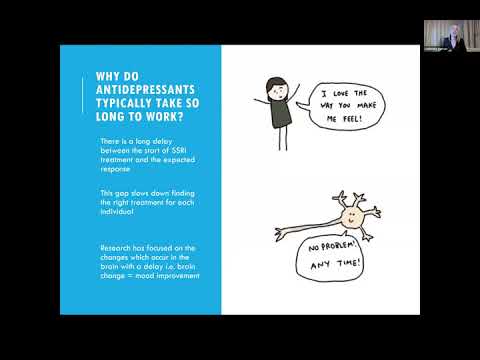
But there’s also the brain chemistry angle! Sometimes it’s less about what’s happening around you and more about what’s happening inside your head. Imbalances in neurotransmitters—those little chemical messengers—can play a huge role in how we feel. When your body isn’t producing enough serotonin or dopamine—the «happy» chemicals—it can feel like you’re walking through mud all day long.
And here’s something else that gets overlooked: social connections matter more than we might think! Feeling isolated can amplify feelings of sadness or hopelessness. I mean, think back on your own life when you’ve been feeling down—wasn’t it easier to spiral further into that darkness when nobody was around? Having someone listen or just hang out really does make a difference.
So basically, understanding depression means looking at a mix of stuff: past experiences, brain chemistry mishaps, and how connected you feel with others around you. It’s complex and messy but knowing this can help make sense of why those feelings hit hard sometimes.
It’s like peeling an onion—you might find layers after layers beneath the surface that reveal why you’re feeling what you’re feeling right now. And while it doesn’t necessarily solve everything overnight, just being aware helps bring some clarity and even hope for getting through those tough times ahead!