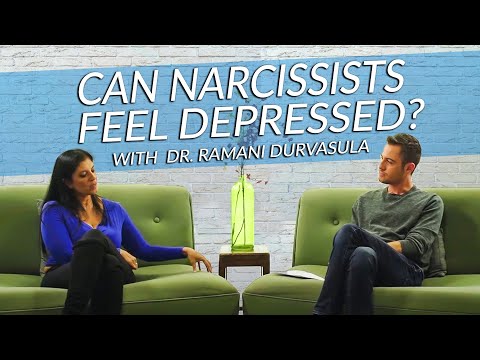
You know, it’s kinda wild how two seemingly opposite things like narcissism and depression can really dance together in a person’s mind. Like, on one hand, you’ve got someone strutting their stuff, thinking they’re the best thing since sliced bread. And then, boom! You find out they’re battling inner demons that would knock anyone off their feet.
It really makes you wonder. How can someone who looks so confident feel so low? So yeah, let’s chat about this strange relationship. It’s messy, emotional, and totally relatable. Trust me, you’ll want to stick around for this one!
Exploring Sigmund Freud’s Insights on Narcissism: A Comprehensive Analysis
Narcissism and Depression: Freud’s Take
When you hear the word “narcissism,” you might picture someone totally into themselves, right? But, like, Freud had a lot more to say about it that makes things way more interesting. He thought narcissism, which he called “primary narcissism,” is actually a normal part of development. It’s like when babies are super focused on themselves because they’re just figuring out the world. They don’t care about anyone else yet.
So, what happens when this little ego doesn’t evolve into something healthy? Well, Freud believed that if a person gets stuck in this phase or develops traits of narcissism later, it can lead to some serious stuff. That’s where depression often comes into play.
- Narcissistic individuals often have a fragile self-esteem hidden under their confident exterior.
- They tend to have deep-seated insecurities and can react poorly to criticism.
- This reaction can lead them to feel empty or lost when things don’t go their way.
- The loneliness they experience can spiral into depressive feelings.
Take Sarah for example. She was that friend who always showed off her accomplishments on social media. But behind the scenes? She felt like she was never enough unless others were praising her. When she didn’t get that attention, the dark clouds of depression began rolling in. Sarah’s story illustrates how narcissistic tendencies can set people up for emotional crashes.
Freud also talked about “secondary narcissism,” which is when those early narcissistic traits become exaggerated in adults due to unresolved childhood issues or trauma. This type usually leads to a defensive posture against vulnerability because being vulnerable feels dangerous—like being exposed and hurt again.
Now here’s another thing: Some researchers believe there’s this odd dance between narcissism and depression where each one feeds off the other.
- Narcissistic behaviors may temporarily mask feelings of inadequacy.
- This mask eventually crumbles under stress or failure.
- The resulting depression can make them retreat further into themselves.
And check this out—sometimes it seems like narcissists want connections but find themselves unable to sustain healthy relationships because they’re too focused on their needs. So, they isolate themselves even more.
Psychologically speaking, if someone exhibits strong signs of narcissism—like needing constant validation—they might also show signs of depression when faced with rejection or criticism. It’s kind of like riding a rollercoaster: ups and downs so intense that you hardly know what’s real anymore!
Freud’s ideas remind us that our psyche is complex and super interconnected; emotional states don’t exist in isolation. Understanding how these patterns work can help friends—or even yourself—to be more aware.
So next time you notice someone displaying those classic narcissistic traits, think about what’s really going on underneath all that bravado; there might just be a deeper struggle with self-worth lurking below the surface!
Understanding Narcissism: The Three Key Phrases Used by Narcissists
Narcissism can be a real head-scratcher, especially when you try to figure out why some folks have this overwhelming need for admiration. It’s like, what’s really going on in their minds? You might’ve heard about the three key phrases often used by narcissists, and trust me, they say a lot about their emotional landscape, which kinda intertwines with feelings of depression too.
“It’s all about me.” This phrase serves as a motto for many narcissists. They often believe the world revolves around them. It’s not just some casual attitude; it reflects a deep-seated sense of entitlement and self-importance. You know how in a conversation, they might totally dominate the topic, never letting anyone else get a word in? That’s pretty much it. They crave attention and validation like it’s water to them.
“You don’t understand me.” When they say this, it can be quite revealing. It shows that narcissists struggle with vulnerability and often feel misunderstood or unappreciated. So if you’ve been on the receiving end of this line, you might sense there’s a mix of arrogance and defensiveness behind it. It’s almost like they’re saying that their emotional experience is too complex for others to grasp fully. But hey, seriously? Everyone has their stuff going on!
“I’m better than you.” Oof! If this phrase comes up, it usually indicates the narcissist’s need to inflate their self-worth by putting others down. This can be super exhausting if you’re around someone who constantly feels the need to prove how much better they are at everything—whether it’s work or just everyday life. It highlights a lack of empathy because they seem blind to how this attitude affects others.
Now here comes the twist! Narcissism doesn’t exist in isolation; it can have real ties with depression. You might think: “Wait, but if they’re so full of themselves…?” Well, underneath all those bravado and grand gestures lies insecurity and fear of inadequacy. When things don’t go as planned—like losing admiration or facing criticism—narcissists can fall into depression faster than you’d expect.
So there you have it—the interplay between narcissism and those three phrases reveals quite a lot about human behavior. It’s fascinating (and sometimes frustrating) to see how these patterns unfold in real life!
Understanding the Characteristics of a Depressed Narcissist: Signs and Behaviors
Understanding a depressed narcissist can be quite a challenge, but it’s important to break it down. So, let’s unpack this together.
Narcissism and depression may seem like opposites. Narcissists typically seek admiration and attention, right? But when depression kicks in, it can really mess with that. Here are some signs and behaviors to look out for:
- Self-Absorption: A narcissist often focuses on themselves. When they’re depressed, this self-focus might turn darker. They can spiral into negative thoughts about themselves.
- Emotional Instability: Their mood can swing wildly. One minute they might be bragging about their accomplishments; the next, they could be drowning in feelings of worthlessness.
- Fear of Criticism: Narcissists usually can’t handle criticism well, but when depressed, they feel even more fragile. It’s like a double whammy!
- Lack of Empathy: Typically lacking empathy, when a narcissist is also experiencing depression, they might find it even harder to connect with others’ feelings.
- Seeking Validation: They may still crave admiration but could become desperate for it while feeling down—looking for compliments to fill an emotional void.
- Aggression or Irritability: Depression can lead to irritability or anger bursts. This might show up as blame-shifting onto others when things don’t go their way.
Picture this: Imagine a friend who always talks about their success and is the center of attention at social gatherings. But then one day they start pulling away from everyone. They seem sadder and maybe even lash out if you ask how they’re doing. This mix of self-absorption and vulnerability is classic for someone who’s both narcissistic and depressed.
Another thing to note? Relationships with these individuals can become pretty complicated. Their need for validation might lead them to push people away just as much as they pull them in.
So yeah, understanding how narcissism interacts with depression isn’t super easy. It’s like trying to untangle wires that are all knotted up! Recognizing these signs can help you navigate your interactions with someone who might be dealing with both traits at once.
In short? It’s essential to remember that while the characteristics of a depressed narcissist are complex, awareness helps us approach such situations more empathetically—and maybe even protect our own emotional well-being along the way!
Narcissism and depression might seem like totally opposite ends of the emotional spectrum, but believe it or not, they can actually dance together in some pretty interesting ways. Picture this: you’re at a party, and there’s that one person who’s all about themselves—always talking about their achievements and posting glossy photos on social media. That’s your classic narcissist. On the flip side, someone else is sitting quietly in the corner, feeling pretty low and invisible. That’s more like depression.
Now here’s where it gets real. Narcissism isn’t just about being overly self-absorbed; it often comes from a place of insecurity and fear. A lot of narcissists hide their own vulnerabilities behind that flashy exterior. And guess what? When they don’t get the admiration they crave or when life throws them a curveball, boom! That façade can crumble fast, leading to feelings of worthlessness and despair. It’s like a two-way street: when narcissists face setbacks, they can spiral into depression.
I remember a friend once who always strutted around acting like they were the best at everything—like seriously convinced that no one could hold a candle to them. But then came college rejection letters one after another. Suddenly, all that bravado fell apart, and it was as if you could see them deflating right before your eyes. They felt isolated because everyone thought they were so great! After a while, that tough exterior gave way to sadness and anxiety.
People sometimes think of narcissism as just pure arrogance or self-love without realizing how fragile that ego can be beneath the surface. It’s an odd mix: on one hand craving attention while on the other fearing true intimacy because deep down they’re not sure they’re good enough.
Interestingly enough, some researchers suggest that certain traits associated with narcissism—like being charming or charismatic—can help buffer against feelings of depression for a time. But then there’s this tipping point where those same traits become toxic both for themselves and others around them.
So yeah, while it seems like two distinct mental states are battling it out in someone’s psyche, there’s definitely an interplay happening between narcissism and depression. It’s not just black and white; it’s more like shades of gray splashed across an emotional canvas! And honestly? Understanding this might just be the key to helping people find healthier coping mechanisms instead of letting that cycle keep spinning out of control.