You know, when we think about mental health, it can be easy to see it as like a straight line. But really, it’s like this tangled web. And among that mess, two big players often pop up: depression and OCD.
Sometimes they hang out together—like an unwelcome duo. So, what’s the deal with that? Why does someone battling one often feel pulled into the other? It’s wild how our minds work.
Imagine feeling trapped in a cycle of obsessive thoughts while also dragging around this heavy blanket of sadness. It’s tough and super exhausting. Understanding these connections is key to untangling this knot.
Stick around! We’re going to break down how these two can impact each other and what it all means for real life.
Understanding the Link Between OCD, Depression, and Anxiety: Causes and Implications
When we talk about OCD (Obsessive-Compulsive Disorder), depression, and anxiety, it’s like noticing three friends hanging out together. They each have their own vibe, but they also influence each other in ways that can get pretty complicated. Let’s break it down a bit.
First off, OCD is often characterized by those pesky obsessions and compulsions. Basically, obsessions are unwanted thoughts that just won’t quit bugging you. Compulsions are the behaviors you feel driven to do, like washing your hands repeatedly or checking if the door is locked. It’s a real struggle! Now, when people have OCD, it doesn’t just sit alone on the sidelines.
Anxiety kind of tags along for the ride. Picture this: you’re stuck in a loop of negative thoughts because of your obsessions; it ramps up your anxiety levels like crazy. You’re worried about what will happen if you don’t perform certain rituals. This constant battle can lead to feelings of hopelessness or sadness, which then might spiral into **depression**.
What’s interesting is that these three aren’t just casually hanging out; they actually share some common causes:
- Genetics: Some folks seem to have a family history of these mental health issues. It’s like inheriting a knack for art or science—only this time it’s the brain wiring.
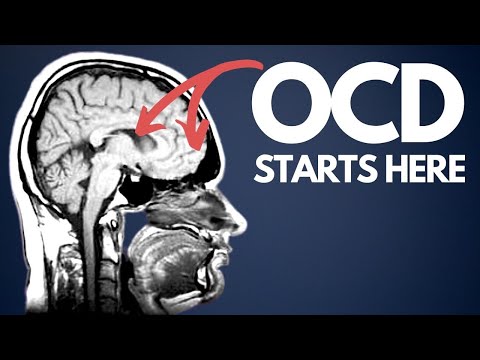
- Braintype stuff: Research points to certain brain areas being more active in people with OCD and anxiety disorders. Think of it like a lightswitch stuck on “high alert.”
- Environmental triggers: Stressful life events—like losing a job or going through a break-up—can trigger symptoms in those already at risk.
- Coping mechanisms: People with OCD often find themselves using compulsions as coping skills when things get tough. Unfortunately, this can backfire and lead to more stress and depression.
This brings us to implications—the way these three interact can make life pretty challenging. If someone has OCD and starts feeling depressed because they can’t keep up with compulsions, it creates this vicious cycle: anxiety leads to compulsive behavior, which then reinforces feelings of depression!
A friend once shared her experience battling all three at once—she’d wash her hands until they bled out of fear of germs. With every ritual that didn’t work out as planned, she’d sink deeper into despair thinking she’d never be “normal.” It illustrates how intertwined these issues are!
The good news? There are ways to address this tangled web though I’m not here pushing any specific treatment plan! But understanding how they’re linked is essential for anyone looking to support themselves or someone they care about.
If you’re feeling overwhelmed by any combination of these challenges, remember—you’re not alone in this maze! Awareness is key, you know? The first step towards changing things often begins with simply recognizing how interconnected our mental health struggles can be.
Understanding the Intersection of OCD and Depression: Impacts, Symptoms, and Treatment Options
The connection between Obsessive-Compulsive Disorder (OCD) and depression can be really tricky to navigate. Many people with OCD also deal with depression, and it’s important to understand how these two can impact each other.
So, first off, let’s talk about what OCD is. Basically, it’s characterized by unwanted thoughts (or obsessions) that drive you to perform certain behaviors (or compulsions). For example, someone might constantly worry about germs, leading them to wash their hands over and over. It’s exhausting!
Now, on the other hand, depression often manifests as persistent feelings of sadness or a lack of interest in things you used to enjoy. When these two conditions mix, the effects can be pretty overwhelming.
Impacts of OCD and Depression
When someone has both OCD and depression, it can create a nasty cycle. The distress from obsessive thoughts may lead to feelings of hopelessness—a common symptom of depression. This might leave you feeling trapped or even helpless because managing both conditions at once can feel like doubling down on challenges.
Here are some key impacts:
- The isolation factor: People might withdraw from friends or family because they feel embarrassed or ashamed of their compulsions.
- Increased anxiety: Feeling like your mind is racing doesn’t help when you’re already battling low energy from depression.
- A decline in overall quality of life: Routine tasks become daunting or even impossible when you’re stuck in this loop.
Symptoms You Might Notice
Recognizing symptoms is crucial for both disorders since they often overlap. For instance:
- Obsessive thoughts: This could be anything from fears about harming others to worrying excessively about losing control.
- Lethargy: Depression often brings fatigue that can make doing everyday tasks feel monumental.
- Irritability: It’s common for individuals with both conditions to feel on edge more than usual.
- Difficulty concentrating: Your mind may constantly shift between worries and depressive thoughts.
Let me tell you a quick story—there was this guy I knew who struggled with both OCD and depression. Every morning he’d wake up anxious about checking the locks multiple times before he left home. This obsession drained him mentally so much that by the time he got to work, he felt completely worn out and ready for bed instead of tackling his job.
Treatment Options Available
Getting help for these intertwined issues isn’t always straightforward but there are several options available:
- Cognitive Behavioral Therapy (CBT): This type of therapy works wonders by helping reframe negative thought patterns related to both OCD and depression.
- Exposure and Response Prevention (ERP): Often used for OCD specifically; it encourages facing fears rather than avoiding them—which can also lift depressive symptoms over time!
- Medication: Antidepressants or SSRIs may help alleviate symptoms associated with both disorders. It’s super important to discuss this thoroughly with a healthcare provider since everyone reacts differently!
- Mindfulness Practices: Techniques like meditation might not directly target either condition but help reduce overall stress levels.
In summary? Understanding how OCD and depression interact is vital if you’re dealing with either—or especially both! Recognizing symptoms early on means seeking appropriate treatment sooner rather than later could make a big difference in your daily life. Remember that opening up about struggles isn’t just okay—it’s essential!
Comprehensive Guide to OCD and Depression Testing: Understanding Symptoms and Assessment Tools
When it comes to Obsessive-Compulsive Disorder (OCD) and depression, there’s a lot to unpack. Both can feel like you’re stuck in a loop, dragging through the day with heavy thoughts and relentless worries. They often show up together, making life even trickier.
First off, symptoms of OCD typically involve unwanted thoughts—or obsessions—that cause significant anxiety. This might lead to compulsive behaviors that you feel you have to do, just to ease that anxiety. Think of it as if your brain is running on a loop, repeating the same worry over and over until you do something about it.
On the other hand, depression can weigh you down emotionally. It’s not just feeling sad; it can mean losing interest in things that once mattered or feeling empty inside. It messes with your energy levels and can make even simple tasks seem daunting.
The connection between the two? Well, OCD might worsen feelings of depression because those incessant worries take a toll on your self-esteem and sense of control. Imagine trying to enjoy a walk in the park when all your brain wants to do is remind you about that one thing you forgot to do yesterday!
When it comes down to testing, mental health professionals have several tools they use to figure out what’s going on. Here are some common ones:
- The Yale-Brown Obsessive Compulsive Scale (Y-BOCS): This is specifically designed for OCD. It helps measure the severity of obsessions and compulsions.
- The Beck Depression Inventory (BDI): This one focuses on measuring levels of depression by asking about various emotional and physical symptoms.
- The Hamilton Anxiety Scale (HAM-A): While this targets anxiety more broadly, it’s often useful when evaluating someone who has both OCD and depression since they’re closely linked.
You might be wondering how these assessments work in real life. For example, say you’ve been feeling overwhelmed by thoughts about cleanliness; you’d start with Y-BOCS to assess how much those thoughts impact your daily routine. If you’re also noticing more frequent sadness or lack of motivation, filling out the BDI would be the next step.
Anecdotally speaking, I remember talking with a friend who felt lost between these two conditions. She described her mornings as being engulfed in rituals—just brushing her teeth took ages due to compulsive checking—but once her mind calmed from those rituals, waves of sadness would crash over her instead. Her experience highlighted how intertwined these feelings can be.
In summary, understanding OCD and depression means recognizing their unique symptoms while also noting how they influence one another. Proper assessment tools play a crucial role in this process because they help mental health professionals gather insights into what someone is experiencing.
If you’re facing such challenges or know someone who does, taking that step toward assessment could lead to finding suitable support or treatment options that fit individual needs!
You know, when it comes to mental health, it often feels like we’re trying to piece together a big puzzle. Each piece represents a different condition and how it connects with others. Take depression and obsessive-compulsive disorder (OCD), for example. They might seem like separate entities, but they often hang out together in a complicated dance.
Imagine this: You’re stuck in your room after a long day. The weight of sadness pulls you down, making everything feel heavy. And then on top of that, thoughts begin racing around your mind—thoughts you can’t shake off no matter how hard you try. It’s like being trapped in a loop where you’re constantly checking things or counting items, thinking that maybe, just maybe, this will help ease some of the sadness or fear creeping in. That’s the tricky combination many people face.
So why does this happen? Well, research suggests there’s shared brain chemistry involved. Both depression and OCD are linked with imbalances in neurotransmitters like serotonin and dopamine—those chemicals our brains use to communicate. This connection can make one condition exacerbate the other. If you’re feeling low because of depression, it might amplify those pesky obsessions and compulsions associated with OCD.
I remember talking to a friend who dealt with both conditions for years. She described her world as if it were painted in gray tones—everything felt dull and exhausting. And her thoughts? They’d spiral into “What if I didn’t wash my hands enough?” or “Did I really lock the door?” Those compulsions were attempts to gain some control over the chaos that the depression brought into her life.
It’s not just about feeling sad or having intrusive thoughts; it’s more nuanced than that. Depression tends to drain motivation and energy while OCD creates an overwhelming urge to act on specific worries or fears. Each condition reinforces the other—a cycle that can feel relentless at times.
But there’s hope too! Understanding these connections helps reveal why someone might struggle with both at once. Recognizing patterns isn’t always straightforward; still, knowing more about how these conditions interact gives room for better support strategies and healing pathways.
So yeah, whether you find yourself struggling with these issues or supporting someone who is—realizing their link can be a big step toward finding balance again in that crazy dance of emotions!