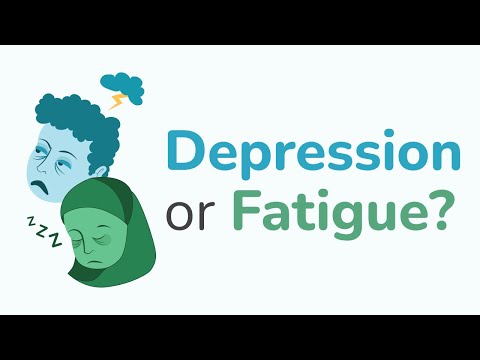
So, let’s talk about something that hits a lot of us: fatigue and depression. It’s like, you wake up tired even after a solid night’s sleep. You know that feeling? Yeah, it can be frustrating.
Sometimes, it feels like this heavy blanket of exhaustion just wraps around you. And honestly, that’s not just physical tiredness—it digs deeper into how we feel mentally too.
It’s wild how our moods can totally mess with our energy levels, right? You can be feeling low and suddenly hit this wall where getting out of bed seems like climbing a mountain.
Let’s explore how all these pieces connect. We’ll dig into the psychological links between being drained and feeling down. Spoiler alert: it’s not just in your head!
Effective Strategies to Combat Depression Fatigue: A Comprehensive Guide
Dealing with depression fatigue? Yeah, it’s super common. When you’re feeling down, it can drain every ounce of energy from you, making even simple tasks feel like climbing a mountain. But there are ways to combat that fatigue! Here’s some stuff that might help.
First off, get moving! I know, I know. The last thing you want to do when you’re wiped out is exercise, but seriously, just a little bit of movement can really boost your mood. Whether it’s a short walk around the block or dancing in your living room—whatever works for you! Moving your body releases those feel-good chemicals called endorphins.
Next up is sleep. Sounds obvious, right? But quality sleep can make such a difference. It’s not just about how long you sleep but how well you sleep. Try sticking to a routine and creating a cozy environment that helps signal to your brain that it’s bedtime.
Nutrition plays its part too. Eating balanced meals with plenty of fruits and veggies can help maintain your energy levels throughout the day. Think of it like filling up your car with good fuel instead of junk—it runs better! And don’t skip meals; if you’re low on energy, munching on something healthy might give you just the boost you need.
Avoiding isolation is key. When you’re down in the dumps, it might feel easier to hide away from everybody. But connecting with friends or family—even just a chat on the phone—can lift your spirits significantly. Sharing experiences or even having a laugh can recharge your batteries in an amazing way.
Mindfulness and meditation are also fantastic tools for managing depression fatigue. They help calm your mind and make you more aware of your thoughts and feelings without getting overwhelmed by them. Just ten minutes a day can change how you feel throughout the week.
For some people, setting small goals can provide structure when tasks seem daunting. Break things down into tiny steps—like getting out of bed or brushing your teeth—and celebrate those small victories! They can really add up to create a sense of accomplishment over time.
And hey, consider talking to someone—a friend or even a professional who gets what you’re going through might be helpful when you’re feeling stuck in this fog.
In short:
- Move around
- Snooze well
- Energize with healthy food
- Stay social
- Meditate
- Create achievable goals
- Talk about it
It’s totally okay to have days where everything feels heavy; just remember you’re not alone in this and there are ways to lighten the load!
Understanding Depression Fatigue: Insights and Support from Reddit Communities
Depression fatigue is, like, this heavy weight that can feel suffocating. You know, it’s not just being tired; it’s this deep, soul-draining exhaustion that often comes hand-in-hand with depression. It’s like waking up and feeling like you’ve run a marathon in your sleep.
Those communities on Reddit? They’re really something. People share their experiences, and you can see how common this fatigue is among those struggling with depression. Sometimes it’ll be a long post detailing a tough day where just getting out of bed felt impossible.
So let’s break down some of the psychological links here:
- Energy Depletion: When you’re depressed, your brain chemistry changes. It’s not just about mood; it literally affects your energy levels.
- Motivation Drain: Depression often zaps motivation. You may want to do things but feel paralyzed by fatigue.
- Physical Symptoms: Fatigue isn’t only mental. Chronic sleep disturbances—or even too much sleep—can leave you feeling drained.
Think about it—when you’re in the grip of that fatigue, even basic tasks feel like climbing Mount Everest. I once read a post from someone who described sitting on the couch for hours, knowing they needed to shower but just… couldn’t muster the energy to stand up. I mean, that hits hard.
Another point from Reddit discussions: **sleep quality** is crucial but tricky for those feeling fatigued. Some folks mention insomnia while others struggle with oversleeping and waking up still feeling exhausted—a total paradox!
On top of all this, social connections can suffer. Imagine trying to keep up with friends or family when you can’t even keep your eyes open during the day! Many people talk about ghosting invitations because their energy levels are so unpredictable.
But here’s where support comes in handy: Reddit communities can be super empowering! They highlight real conversations—people talking about their bad days and good days alike. You see what others are doing to cope or what works for them in terms of self-care or seeking professional help when needed.
Ultimately, understanding that you’re not alone in this struggle is key. The fatigue might feel isolating, but sharing those feelings within a community helps lighten the load a little bit—even if it’s just a virtual space filled with empathy and shared experiences.
So yeah, if you’re feeling that heaviness of depression fatigue, remember it’s okay to seek support—like chatting on Reddit or finding local groups where people get what you’re going through. No shame in needing a little extra help from time to time!
Understanding Depression Fatigue: Effective Medications and Treatment Options
So, you’re looking to understand this thing called depression fatigue, huh? It’s pretty complex, but let me break it down for you. Basically, depression can drag you into a deep well of fatigue that makes every day feel like a slog. You might wake up feeling like you didn’t sleep at all. That’s because depression affects not just your mood but also your energy levels.
Now, what’s happening here? Well, when you’re feeling depressed, your body produces more of some chemicals that can mess with your sleep and energy levels. You know those neurotransmitters like serotonin and dopamine? Yeah, they play a big role in how energized or tired you feel. If they’re out of whack—which is common in depression—you end up feeling totally drained.
So let’s talk about treatment options. There are several ways to tackle this issue:
- Medications: Antidepressants are often prescribed to help balance those mood-related neurotransmitters. SSRIs (selective serotonin reuptake inhibitors) like fluoxetine or sertraline are popular choices. They might take some time to kick in, so be patient!
- Therapy: Talking to someone can work wonders! Cognitive Behavioral Therapy (CBT) is especially effective because it helps change negative thought patterns that contribute to both depression and fatigue.
- Lifestyle Changes: Simple stuff like getting regular exercise can help boost your energy levels and improve your mood. Even a short walk each day can make a difference.
- Sleep Hygiene: Creating better sleep habits is crucial. You want to go to bed and wake up at the same time every day—your body loves routine!
- Nutritional Support: Eating well plays a role too! Foods rich in omega-3 fatty acids (like fish) or antioxidants (like fruits) can help support brain health.
You might be thinking it all sounds overwhelming, but the key is finding what works best for you. It’s kind of like trying on shoes; some fit great while others don’t do much for you at all.
If you’ve ever experienced days where simply getting out of bed feels monumental—you’re definitely not alone. For instance, think about those moments when everything seems grey; even things you usually enjoy feel exhausting or pointless. That’s the fatigue talking! You’re not just physically tired; there’s an emotional weight too.
You don’t have to struggle through it alone either! Many people find that reaching out for help leads them closer to feeling better—even if it takes time. Just remember: recovery isn’t linear; it’s more of a zigzag journey with ups and downs.
The bottom line? Understanding depression fatigue means recognizing its roots and figuring out how to fight back against it—be it through medication, therapy, lifestyle changes, or support systems around you.
You know how sometimes you just feel completely wiped out, like all your energy has been sucked out of you? Fatigue isn’t just about needing more sleep. It can be tangled up with feelings of sadness or hopelessness. It’s wild how these two can be interconnected.
Let me share a quick story. There was this time I was feeling super drained. Like, I could barely get off the couch. My friend noticed and asked if I was okay. Turns out, I was also feeling pretty down but hadn’t made the connection yet. That’s when it hit me: my lack of energy wasn’t just physical; it was emotional too.
So, what gives? Well, fatigue can often be a sign of something deeper, like depression. When you’re stuck in that cycle of feeling tired and sad, it’s hard to break free. You might think that tackling one will solve the other, but it’s not that simple. Depression can steal your motivation and make even getting out of bed feel like climbing a mountain.
There’s this thing called “psychomotor retardation,” which sounds super fancy but is basically when you’re slowed down—your thoughts feel heavy, your body feels slow—like you’re constantly moving through molasses. It’s a common symptom in depression and totally feeds into that fatigue we often dismiss.
And then there’s the sleep part! For some folks dealing with depression, sleep can either become elusive or a whole lot worse—it can feel like you’re trapped in this endless cycle: not enough sleep means less energy and more irritability, which might amplify the feelings of sadness or worthlessness. Talk about rough!
But here’s where it gets interesting. Sometimes just managing that fatigue can help improve mood a bit; sorting out your sleep might create some brighter moments in your day-to-day life—even if it doesn’t zap away all those darker feelings right away.
It’s important to notice these patterns within yourself or those around you because recognizing them is a step toward understanding what you or they might need—be it rest, connection with friends, or even just someone to talk to about where you’re at emotionally.
So yeah, watch for those signs and don’t let fatigue creep up on you without checking in on how you’re really feeling inside. Your mind and body are way more connected than we often realize!