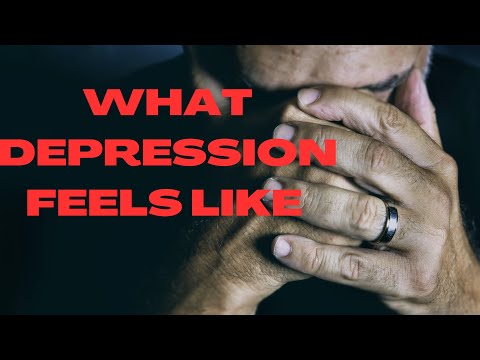
Feeling a bit down lately? You’re not alone. Seriously, life can throw some pretty heavy stuff at us.
Sometimes, we just need someone to talk to. A kind of guide who gets it, you know? That’s where finding a local depression counselor can really make a difference.
Imagine having that one person you can vent to without holding back. It’s like having a buddy who knows the ropes and is there to help lighten the load.
So, let’s chat about how connecting with the right counselor might just be the first step on your journey back to feeling like yourself again. Sound good?
Finding an Insurance-Covered Therapist: A Step-by-Step Guide
Finding an insurance-covered therapist can feel a bit daunting, but breaking it down into steps makes it way easier. Plus, having that support when you’re dealing with things like depression is super important. Here’s how you can go about it:
Start with Your Insurance Provider
First things first, grab your insurance card and check the back. You’ll find a phone number or website for customer service. Call or click to get details on mental health coverage. Ask questions like:
- Which therapists are in-network?
- What specific services are covered?
- Do you need a referral to see someone?
Use Online Directories
Once you have that info, hit up some online directories. Websites like Psychology Today or GoodTherapy let you filter therapists by location and insurance plans. You just enter your zip code, select the type of therapy you’re looking for (like depression counseling), and check off your insurance provider.
Check Credentials and Specialties
When you find potential therapists, take a closer look at their profiles. Look for their credentials—this tells you if they’re licensed professionals—and see what areas they specialize in. Not every therapist works the same way. Some might focus on cognitive-behavioral therapy (CBT) while others lean more towards talk therapy.
Call or Email Therapists
Once you’ve got a shortlist of names, reach out! A simple call or email can help you figure out compatibility before scheduling an appointment. Ask if they accept your insurance and how they handle billing.
Set Up an Initial Consultation
Most therapists offer an initial consultation—often free! This is your chance to see if their style clicks with you. It’s totally okay to ask about their approach to treating depression and any techniques they find useful.
Verify Coverage Before Your First Visit
Before diving into therapy, double-check your coverage one more time. Sometimes there’s fine print that could throw off the payment process later on.
Acknowledge Your Journey
Finding the right therapist might take a little time, and that’s okay! It’s all part of the process of taking care of yourself. Remember to be patient with yourself while navigating this journey—it’s absolutely worth it in the end.
So there it is! With these steps laid out, finding an insurance-covered therapist should feel less overwhelming. Just keep in mind that reaching out for help is a brave step towards feeling better!
Find a Therapist Near You: A Guide to Using Psychology Today’s Resources
Finding a therapist can feel like a daunting task, especially if you’re dealing with something as heavy as depression. But, seriously, it’s a really important step. If you’re looking for support, using resources like Psychology Today can make this process way more manageable.
First off, let’s talk about what Psychology Today offers. It has a directory of therapists that you can search by location, specialty, and even insurance accepted. So if you need someone local who understands depression specifically, you can filter your search easily.
When you’re on the site, just type in your zip code or city. You’ll get a list of professionals right in your area. But hold on; it’s not just names on a screen—you’ll see profiles that tell you about each therapist’s qualifications and approach. This is super helpful! You might find someone who uses cognitive-behavioral therapy (CBT) or maybe someone who takes a more holistic approach—you choose!
Now here’s the thing: read those profiles carefully. Look for details that resonate with you because finding the right fit is crucial. For example, if you prefer someone who focuses on talk therapy rather than a bunch of techniques and exercises, make sure to note that.
Another useful tip? Pay attention to the reviews! Many therapists have testimonials from past clients which can give you an idea of their style and effectiveness. Just remember to take reviews with a grain of salt; everyone’s experience is different.
After narrowing down your options, don’t hesitate to reach out! Most therapists will offer an initial consultation—sometimes free—where you can get a feel for how they work before committing to regular sessions. It’s like dating but for therapy! And honestly? That first conversation will help ease some nerves.
You might also want to consider logistics like location and availability. Is their office close enough for regular visits? And do their hours work with your schedule? These little details matter in making your journey smoother.
If you’re feeling overwhelmed by all this info—and trust me, that’s normal—break it down into smaller steps. Make a list of potential therapists and jot down what stands out about each one. This practice can help clarify your thoughts and feelings about each option.
Lastly, remember that it’s perfectly okay to switch therapists if it’s not working out for you. Finding the right person is like putting together pieces of a puzzle—it takes time sometimes!
So yeah, getting started with finding local depression support through Psychology Today doesn’t have to be scary. Take it step by step; you’ve got this! Just keep reminding yourself why you’re doing this—because you deserve support.
Essential Guide to Finding Your First Therapist: Steps and Tips for Success
Finding a therapist can feel a bit like dating. Seriously. You wouldn’t just swipe right and hope for the best, right? It’s super important to take your time and find someone who really gets you. Here are some steps and tips to help you through the process of finding your first therapist.
Start with Research
Begin by checking out local therapists in your area. You can look at online directories, or even ask friends or family for recommendations. When you find some that seem promising, look into their backgrounds. What are their specialties? Do they have experience dealing with depression?
Check Credentials
You want to know that your therapist is qualified. So, check their credentials! Are they licensed? This is crucial because it ensures they have met the necessary training and ethical standards. Sometimes, folks might forget to check this part, and trust me, you don’t want to end up with someone who isn’t properly trained.
Consider Your Preferences
Think about what kind of person you would feel comfortable talking to. Do you prefer a female or male therapist? Maybe someone older or younger? Understanding your comfort level is key; it helps create an environment where you can open up without feeling judged.
Set Up Initial Consultations
Once you’ve narrowed down your choices, many therapists offer a free consultation or an introductory session. This is a great opportunity to see if there’s a vibe between you two. Trust me; sometimes you’ll just «click» with someone after a few minutes of chatting!
- Ask Questions: Don’t hesitate! Ask about their approach and how they handle situations similar to yours.
- Talk About Goals: Discuss what you’re hoping to achieve in therapy.
- Cultural Competence: Make sure they are sensitive to your cultural background if that matters to you.
Evaluate Cost and Insurance
Before getting too attached (and trust me, it’s easy), check out costs and whether they accept your insurance if you have any. Therapy can get pricey, so knowing what you’re getting into financially is clutch.
Tuning Into Your Gut Feelings
After those initial sessions, pay attention to how you feel about the therapist. Do you feel heard? Understood? If something feels off—like maybe there was a comment that didn’t sit well with you—it’s okay to reach out for help somewhere else.
The Power of Patience
Finding the right therapist takes time! Don’t get discouraged if it doesn’t happen on the first try—or even the second! Everyone’s journey is different; it’s okay if it takes longer than expected.
So yeah, finding your first therapist can be daunting, but remember: it’s all part of figuring out what works best for *you*. You’re on this journey toward better mental health—you’ve got this!
Okay, so let’s chat about something that’s been on a lot of people’s minds lately—finding the right support when you’re dealing with depression. It can feel super overwhelming, can’t it? Like, you know you need help, but where do you even start?
I remember this one time when a friend of mine hit rock bottom. She felt lost and didn’t know how to pick herself up again. The idea of talking to someone about her feelings felt like walking into a room full of strangers. But she took the leap and found a local counselor who really understood her struggles. The difference was night and day for her! Just having someone to listen without judgment made such a huge impact.
So, here’s the thing: looking for a local depression counselor isn’t just about finding someone with the right qualifications; it’s all about connecting with someone who gets it, who resonates with your story. You want to find that person who isn’t just going to throw textbook solutions at you but actually takes time to understand what you’re going through. It’s like finding that perfect playlist that speaks to your soul when you’re feeling down.
When searching for this kind of support, think about what feels right for you—whether it’s their approach, their vibe or even their background. Sometimes just knowing they’re in your community gives it that warm, familiar feel. And don’t forget: it might take a few tries before you find the right fit. That’s totally okay!
In the end, remember you’re not alone in this journey. It might feel lonely some days, but there are people out there ready and willing to walk alongside you as you navigate through everything that’s going on in your mind and heart. Just take that first step; your future self will thank you for it!