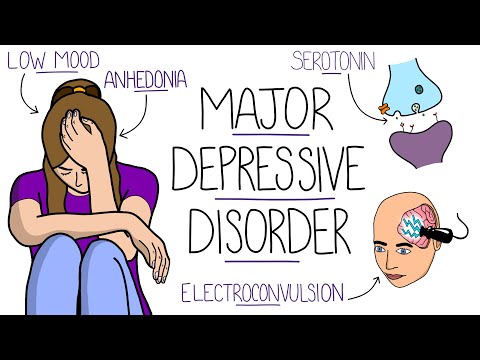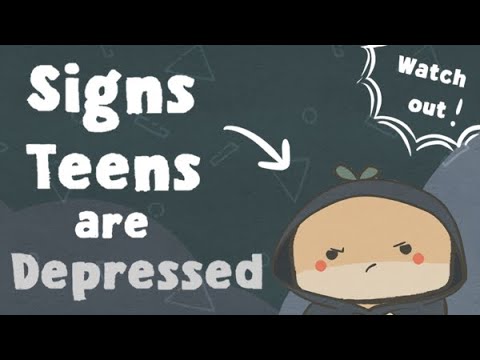
You know, mental health can be a tricky topic. Especially when it comes to men and depression. It’s like there’s this big, unspoken rule about how guys should just tough it out.
But the truth is, lots of guys struggle with deep feelings of sadness or worthlessness. And honestly? They often feel they can’t talk about it. Imagine carrying that weight alone—it’s rough.
I mean, I once talked to a buddy who seemed fine on the outside. Always cracking jokes, living life you know? But when we really opened up over a beer, he shared some heavy stuff he was dealing with. It broke my heart!
So let’s chat about the hidden struggles many men face with depression. Because honestly, these conversations are super important. No one should have to face their battles in silence.
Exploring Common Mental Health Issues in Men: Understanding Symptoms and Solutions
Men’s mental health is a topic that often gets swept under the rug. You might not even be aware of how many guys are struggling with serious issues like depression, anxiety, or stress. The thing is, men can sometimes feel pressured to act tough or hide their feelings, which can make it really hard for them to reach out for help.
When we talk about depression in men, it often looks different than we think. Instead of the classic signs—like sadness or crying—you might see symptoms like anger, irritability, or withdrawal from things they usually love. This can lead to a cycle where they feel even more isolated and misunderstood. It’s tough, right?
Common symptoms that men might experience include:
- Fatigue: Feeling constantly tired or lacking energy.
- Changes in sleep: Sleeping too much or too little.
- Irritability: Getting angry over small things.
- Lack of interest: Losing interest in hobbies or social activities.
- Difficulties concentrating: Finding it hard to focus on tasks at work or home.
Let’s say you know a guy who used to love playing basketball but now avoids hanging out with friends and feels moody all the time. That could be a classic sign of depression creeping in.
Another common issue is anxiety. Many men experience overwhelming feelings of worry or fear that interfere with their daily lives. You know how it feels when your heart races before a big presentation? For some men, those feelings don’t just happen occasionally—they’re constant and can lead to avoidance behavior.
So what can be done about this? Well, first off, it’s important for men to understand that feeling this way isn’t a weakness; it’s just part of being human. Here are some approaches that could help:
- Talk About It: Sharing feelings with someone you trust can lighten the load. It doesn’t have to be formal therapy—sometimes just chatting with a friend helps.
- Pursue Activities: Engaging in hobbies, exercising regularly, or spending time outdoors has proven mental health benefits.
- Avoid Substance Abuse: Using alcohol or drugs as coping mechanisms can worsen mental health rather than help it.
- Sleep Hygiene: Maintaining a regular sleep schedule improves overall mood and energy levels.
There’s also an important piece about seeking professional help if needed. Therapy isn’t just for “big” problems—it’s perfectly okay for anyone to reach out when they’re feeling weighed down by life’s pressures.
To wrap this up, we need more conversations about men’s mental health, breaking down barriers around vulnerability and stigma. Men shouldn’t have to face their struggles alone; there’s strength in sharing and seeking support from others. Reaching out isn’t easy but taking that first step can make all the difference!
Understanding the Symptoms of Nervous Breakdown in Men: Key Signs and Insights
Understanding the symptoms of a nervous breakdown in men is crucial for recognizing when someone might be really struggling. It’s not just about being stressed out or overwhelmed. A nervous breakdown, or what some might call a mental health crisis, can bring on a variety of intense symptoms that signal deeper issues like depression or anxiety.
When we think about this, symptoms can show up in different ways. Here are some key signs to watch out for:
- Extreme fatigue: This isn’t just feeling tired after a long day. It’s that bone-deep exhaustion where getting out of bed feels impossible.
- Emotional numbness: It’s like you’re watching life happen from a distance. You might notice that things you used to care about don’t seem important anymore.
- Irritability: If you’ve been snapping at people for little things, it could be your mind trying to scream for help.
- Sleep disturbances: Whether it’s insomnia or sleeping too much, both can indicate something deeper is going on.
- Anxiety and panic attacks: Feeling like your heart is racing with no real reason? That could signal that your body is in overdrive.
- Difficulties concentrating: When simple tasks feel overwhelming and you can’t seem to focus on anything longer than a few minutes.
- Avoidance behavior: You start dodging friends, family, or even work because facing them feels way too heavy.
Think of it like this: when life gets so overwhelming that you can’t cope anymore, that’s often where these symptoms kick in. Just imagine John—he was a group leader at work but suddenly started dialing back his involvement. He felt drained all the time and didn’t get why he was snapping at his colleagues over small stuff. That’s when he realized he needed help.
Men sometimes shove their feelings deep down and don’t want to talk about them. This tendency makes it tricky since society often expects men to “man up” instead of expressing vulnerability. But ignoring these signs? That can lead to serious consequences—both mentally and physically.
Recognizing these symptoms early means you’re one step closer to addressing the root causes instead of letting them fester. Mental health isn’t a joke; it’s as important as physical health! There’s strength in asking for help when things are tough—getting support from friends, family, or professionals can make all the difference.
So the bottom line is this: paying attention to those signs matters! Knowing what a nervous breakdown looks like in men helps us support each other better and break down those walls surrounding men’s mental health struggles.
Understanding the Mental Health Disparities: Why Men Face Greater Challenges
It’s almost like there’s this invisible wall, right? When it comes to mental health, men tend to face some pretty gnarly challenges that aren’t always talked about. So, why is that? There are a bunch of reasons, and they all intertwine in ways that make it tricky.
Social Expectations play a huge role. Society often teaches men to be tough and stoic. This idea of “man up” can lead to feelings of shame when they experience emotional struggles. Imagine feeling like you need to hide your pain just because it doesn’t fit the mold of what a “real man” should feel. This pressure could really amplify feelings of isolation.
Then there’s communication barriers. A lot of guys find it hard to express their emotions or ask for help. You might be at a party, surrounded by friends, but still feel completely alone inside because you’re not comfortable sharing what you’re going through. It’s like being trapped in a bubble where no one can really see what’s happening beneath the surface.
And let’s not forget about stigma. Men dealing with mental health issues often face judgment or disbelief from others. Like, if a guy admits he feels depressed, he might get brushed off or told to toughen up. That just adds fuel to the fire, making them less likely to seek support.
Another big factor is socioeconomic stressors. Many men are expected to be providers and breadwinners. If things go south—job loss or financial strain—it can hit hard and fast, leading them into deeper emotional turmoil. I mean, just think about how crippling it must feel when you believe your worth is tied up in your job or income.
Men also often resort to less healthy coping mechanisms—like alcohol or anger—rather than talking through their problems or seeking therapy. It’s super common for someone struggling with depression to bury those feelings under layers of coping strategies that don’t actually fix anything; they just mask the issue temporarily.
Then there’s the lack of targeted resources. Mental health programs often focus more on women or children, leaving men searching for adequate support systems tailored to their needs. It’s like wandering through a maze without any signs pointing you toward help.
Lastly, these challenges create a cycle where untreated mental health issues lead to more severe problems over time—think chronic depression turning into anxiety disorders or substance abuse down the line. That just makes breaking free even harder.
When we shine a light on these disparities without judgment and encourage open discussions around men’s mental health, that can help break down those walls we talked about earlier. It allows space for change and healing—which we all need now and then!
You know, when we talk about mental health, it often feels like there’s this big elephant in the room—especially when it comes to men. Society has this expectation that men should be tough, resilient, or whatever you want to call it. Because of that, a lot of guys end up hiding their feelings, and it’s really sad because, well, everyone goes through tough times.
Take my buddy Mike, for example. Always cracking jokes and acting so carefree. But one day he opened up about feeling low for months. It was a complete shock; nobody saw it coming. He felt like he couldn’t burden anyone with his struggles or show weakness. That just shows how deep the stigma runs.
It’s interesting how men often feel the need to put on that brave front while battling something as heavy as depression behind closed doors. They might even resort to humor or aggression as a shield instead of reaching out for help. And think about it: when they do finally speak up, there’s this fear of being judged or misunderstood. It’s tough!
There’s also the issue that many guys don’t even recognize those signs in themselves—like irritability or fatigue—as symptoms of depression. It sneaks up on you and can be mistaken for just “being tired” or “having a rough week.” How can we support each other if we can’t even see what’s happening inside?
Seriously though, addressing mental health isn’t just about talking; it’s about creating an environment where everyone feels safe enough to share real feelings without shame. I mean, wouldn’t it be better if we all knew vulnerabilities are part of being human? Men are taught to fix things; they shouldn’t have to fix their emotions alone.
So yeah, facing these hidden struggles isn’t easy but starting those conversations—no matter how awkward they might feel—is totally worth it. If more men realized they’re not alone in this fight with depression, maybe we could start changing the narrative and make mental health something everyone talks about openly—without fear.