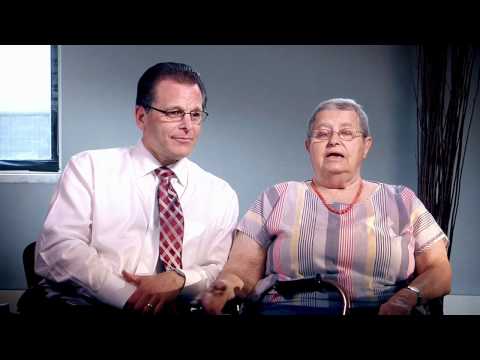
You know, when we think about depression, we often picture someone in their twenties or thirties. But here’s the thing: older adults can feel it too. It’s kind of a hidden issue, right?
Imagine your grandparent or an elderly neighbor. They’ve lived through so much, yet they might be feeling really low. It’s heartbreaking but totally real.
A lot of folks assume that sadness is just part of getting older, but that’s not always the case. We need to dig a little deeper here!
Let’s chat about what’s actually going on in the minds of our older loved ones. They deserve our attention and understanding more than anyone else!
Understanding the Emotional Impact of Depression in Older Adults: Key Insights and Implications
Understanding depression in older adults is really important because it’s often overlooked. You might think, “Aren’t they just grumpy?” But no, it’s so much deeper than that. The emotional impact of depression can be profound and affects their well-being in various ways.
First off, let’s consider isolation. Many older adults may find themselves more alone than before. Their friends might have passed away or moved to different places. This sense of loneliness can seriously exacerbate feelings of sadness. Imagine waking up every day and realizing that most of your close friends are gone. That can weigh heavily on one’s heart.
Then there’s the challenge of loss. Older folks often deal with loss—not just friends, but maybe a spouse, a home, or even independence. Each loss chips away at their self-esteem and emotional resilience. It’s like they’re carrying around invisible stones in a backpack; the more they lose, the heavier it gets.
Another big factor is physical health. Many older adults face chronic illnesses that can dampen their mood—think arthritis or heart conditions. When you’re in pain all the time, feeling down becomes a lot easier! It’s like being stuck in a cycle: pain leads to sadness and then they struggle to find motivation to engage with life.
Then there are cognitive changes. Aging often brings about changes in memory and thinking skills, which can create frustration and anxiety. Imagine trying to remember something important but just drawing a blank! That confusion can spiral into deeper feelings of inadequacy.
Additionally, there’s stigma attached to mental health issues among older generations. Some might feel ashamed or believe it shows weakness if they admit they’re feeling depressed. This makes it hard for them to seek help or talk about what they’re going through.
So basically, when you put all these elements together—loss, isolation, physical health issues—the emotional weight becomes significant for many older adults. They might not always show it on the outside but internally they’re dealing with a lot.
- Isolation: Many lose friends and family.
- Loss: Dealing with multiple losses throughout life.
- Physical health issues: Chronic pain amplifies sadness.
- Cognitive changes: Memory problems create frustration.
- Stigma around mental health: Fear of admitting feelings.
The implications for how we treat depression in this demographic are huge! It means we need more understanding and compassion when interacting with them. We should encourage open dialogues about emotions without judgment. Simple things like checking in on an older friend or family member can make all the difference.
In short, understanding the emotional impact of depression in older adults requires us to see beyond just sadness; it’s really about navigating a complex landscape filled with loss and change. So let’s be kind and proactive because every little effort counts!
Comprehensive Clinical Practice Guidelines for Managing Depression in the Elderly: Best Approaches and Strategies
Managing depression in older adults can be pretty tricky. You might notice that they often experience unique challenges, but there are definitely some effective approaches to help them feel better.
First off, recognizing the signs is crucial. Depression in elderly people can look different than in younger folks. They might not always express sadness directly. Instead, you could see things like increased fatigue, withdrawal from social activities, or even physical complaints without a clear medical cause. Frankly, it’s almost like they wear a mask sometimes.
Collaboration is key. When managing depression in older adults, working closely with healthcare professionals is essential. Geriatricians, psychologists, and social workers all play important roles. It’s about forming a care team to catch all angles of how depression impacts their lives.
- Cognitive Behavioral Therapy (CBT) has shown to be effective for many elderly patients.
- Medication options can include antidepressants that are tailored specifically for older bodies.
- Regular physical activity is seriously underrated! Simple walks can work wonders for mood and overall health.
- Social engagement, like participating in community activities or just keeping up with friends and family, boosts feelings of belonging.
Now let’s talk about safety. Sometimes medications come with risks—like falls or confusion—in older populations. This means regular check-ins with doctors are super important to tweak things if needed.
Also, involving family members or caregivers can really help too. They often know what the person needs and how best to support them. You don’t want anyone feeling alone through this journey.
And speaking of journeys, let’s address the stigma of mental health among elderly folks. It’s real! They might think it’s “just part of growing old” when it really isn’t. So normalizing conversations around mental wellness can make such a difference.
In short? To tackle depression among older adults effectively:
- Acknowledge their unique symptoms and experiences
- Create a trusted support network with health professionals and loved ones
- Incorporate therapies and routines that promote engagement and activity
By focusing on these strategies, we give our elders a better chance at enjoying life—because they deserve happiness just as much as anyone else!
Understanding Depression in Older Adults: Insights from Recent Scholarly Research
So, let’s talk about depression in older adults. It’s a topic that deserves some attention because it can really affect the quality of life for many seniors. You might think, «Oh, they’re just getting old,» but it’s more complex than that. Depression isn’t just a normal part of aging; it can be a serious condition that needs to be addressed.
Research has shown that about 1 in 5 older adults experience significant depressive symptoms, which is a lot when you think about it. This isn’t your garden-variety sadness either; we’re talking about feelings of hopelessness, lack of interest in activities, and even physical symptoms like fatigue. It can feel like a heavy weight that just won’t lift.
Aging brings about lots of changes—loss of loved ones, retirement, health issues—and these transitions can trigger or worsen depression. Imagine losing a lifelong partner; the grief alone can feel overwhelming. Not only does this often lead to feelings of isolation, but it also creates a cycle where loneliness feeds depression and vice versa.
- Health Issues: Many elderly folks deal with chronic pain or disabilities that limit their mobility. Studies have indicated a strong connection between chronic illness and depression.
- Mental Health History: If someone had depression earlier in life, they might face a higher risk as they age.
- Cognitive Decline: Conditions like dementia or Alzheimer’s can contribute significantly to depressive symptoms and make management trickier.
The thing is, older adults might hesitate to seek help due to stigma or because they think these feelings are just part of getting older. But it’s crucial for family members and caregivers to recognize these signs early on. For example, noticing someone who used to love gardening now hardly leaves their chair could be a red flag.
There are effective treatments available! Therapy options such as cognitive-behavioral therapy (CBT) have shown positive outcomes for many seniors. Medications can also play an essential role in easing symptoms—but they need to be prescribed carefully since older folks might react differently than younger people do.
Social support is key too! Regular visits from family or friends can boost mood significantly. Just having someone around to share stories or reminisce over old times helps combat those lonely feelings.
We also need to remember the importance of promoting mental health awareness among older populations. Community programs aimed at keeping seniors engaged socially—not to mention mentally—can create environments where they feel valued and connected.
If you know an older adult who seems down more days than not, encourage them gently but firmly to seek help or talk about what they’re feeling. Sometimes all it takes is one caring person reaching out to change everything for them!
In short, understanding depression in older adults requires recognizing not only the psychological factors but also how physical health plays into mental well-being—a complicated dance! But with awareness and support, people can lead fulfilling lives at any age.
You know, when we think about depression, we often picture it affecting younger people or middle-aged folks trying to juggle careers and family life. But the reality is that older adults can struggle with this too. It’s kind of eye-opening, right? You might be surprised at how common it is among seniors.
There’s this assumption that once we reach a certain age, we’re supposed to have it all figured out, you know? Like life is just one serene sunset after another. But that’s not always true. Many older adults face significant losses—whether it’s the death of loved ones, health problems creeping in, or feeling isolated as friends move away or pass on. It can feel like their world has shrunk.
I remember my grandma telling me how lonely she felt after grandpa passed away. She was surrounded by family but still felt this heavy weight on her heart. Watching her navigate through those feelings was tough. It struck me that many people might be experiencing similar emotions but are afraid to talk about them. The stigma around mental health can be a real barrier.
From a psychological perspective, depression in older adults can look different than in younger people. Sometimes it’s more about feeling physically drained or losing interest in activities they used to love instead of just sadness. And with cognitive decline sometimes associated with aging, diagnosing depression can get tricky too—especially if someone isn’t verbalizing what they’re feeling.
So here’s the thing: we really need to encourage open conversations about mental health with our older relatives and friends. Being able to talk about feelings should never feel like a burden or something embarrassing! We could even help them explore new hobbies or reconnect with old friends—we’re talking simple changes that could spark joy again.
Let’s also not forget practical support! Sometimes just showing up for someone makes all the difference—a phone call, a visit over coffee… really little gestures go a long way.
In short, while addressing depression among older adults might not always get the attention it deserves, it’s crucial for their quality of life. After all, everybody deserves to feel valued and connected no matter their age!