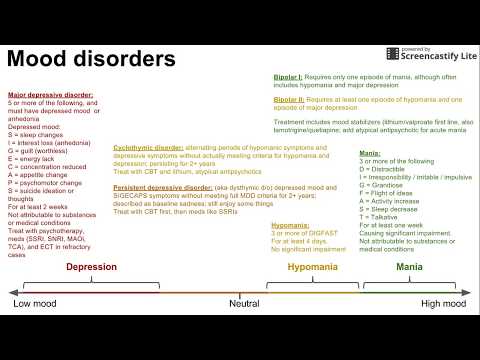
You know that feeling when you just can’t get out of bed? Like, the sheets are pulling you down? Yeah, that’s exhaustion talking.
But it’s not just about being tired. It digs deeper. There’s this psychological weight that comes with depression, and it can feel like carrying a backpack full of bricks everywhere you go.
I mean, have you ever noticed how some days feel extra heavy? Even getting dressed takes all your energy. It’s rough.
We’re gonna chat about what it means to battle that kind of exhaustion and how it ties in with depression. You’re not alone in this struggle; so many people are dealing with the same stuff, even if it feels isolating at times.
So let’s break it down and see what’s really going on, okay?
Effective Strategies to Rejuvenate Your Mind and Overcome Mental Exhaustion
Mental exhaustion can feel like a heavy cloud hanging over you, making everything seem more challenging than it should be. If you’ve ever felt totally wiped out mentally—like you can’t even think straight anymore—you’re definitely not alone. The emotional weight of depression can contribute to that exhaustion, and it can be tricky to shake off. So, what can you do to rejuvenate your mind and fight back?
First of all, acknowledgment is key. Recognizing that you’re feeling mentally drained is a big step. It’s like saying, “Hey, I see you, fatigue!” When you know where you’re at, it’s way easier to find a way out.
A little trick that works wonders is changing your scenery. Sometimes just stepping outside for a breath of fresh air or taking a stroll around the block can shift your mindset. I remember once when I was feeling overwhelmed with everything happening in my life; I took a short walk in the park. Just looking at the trees and listening to birds chirping lightened my mood a bit.
- Mindfulness exercises are super helpful too! Spending as little as five minutes focusing on your breath can bring calmness back into your chaotic headspace.
- Physical movement, whether it’s going for a jog or doing some stretches at home, releases those endorphins that automatically boost your mood. Even dancing around the living room works!
- This one’s important: disconnect from technology every now and then. Scrolling through social media endlessly drains energy without you even realizing it. A screen break is like giving your mind a mini-vacation.
- Talk it out! Find someone you trust—a friend or family member—and share what’s been weighing on your mind. Sometimes just voicing it makes things feel lighter.
- Nourishment matters! What fuels your body also impacts how well your brain runs. Eating balanced meals with good nutrients can help maintain energy levels throughout the day.
- Scheduling fun activities, no matter how small they may seem, gives something positive to look forward to! Maybe it’s watching a funny movie or trying out that new café in town.
An important thing to keep in mind: it’s all about balance. You don’t have to do everything at once! Start with one or two strategies that resonate with you and build from there over time.
If coping with mental exhaustion feels too difficult on your own, seeking some professional support could be worth considering as well—just talking things through helps so much!
The road to rejuvenating your mind isn’t always smooth sailing, but little by little, these techniques might just shine a little light back into those cloudy days!
Effective Strategies to Overcome Depression Fatigue: A Comprehensive Guide
When you’re dealing with depression fatigue, it can feel like you’re stuck in a heavy fog. You know, that overwhelming sense of exhaustion that doesn’t seem to budge no matter how much sleep you get? It’s like carrying around a backpack full of bricks all the time. Seriously, it’s exhausting!
The first thing to understand is that fatigue tied to depression isn’t just about physical tiredness. It’s emotional and mental too. So, you might wake up feeling drained even after a full night’s sleep. The reality is, your mental health can zap your energy levels like nobody’s business.
One effective approach is to set small goals. Think about it—when everything feels so massive and daunting, breaking tasks into tiny pieces can help. Instead of saying “I need to clean the whole house”, try “I’ll organize one drawer today.” Achieving something, no matter how small, can give you a little boost and make things feel more manageable.
- Create a Routine: Routines provide structure which can be super helpful when you’re feeling lost. Even if it’s just getting up at the same time every day or setting aside 10 minutes for stretching or meditation.
- Take Breaks: This might seem counterintuitive since you’re probably feeling tired all the time anyway! But giving yourself permission to rest is crucial. Short breaks while working on tasks can help recharge your batteries.
- Engage in Physical Activity: You don’t have to run a marathon! Just moving your body—even going for a short walk—releases those feel-good hormones called endorphins. They really do make a difference!
- Acknowledge Your Feelings: It sounds simple but recognizing that you’re struggling can lift some weight off your shoulders. It’s okay to feel what you’re feeling; don’t push those emotions away.
- Stay Connected: Connecting with friends or family (even if it’s just online) helps combat isolation which is often part of depression fatigue. Sometimes just chatting about your day or sharing jokes can brighten up your mood.
If you think about it, everyone has their own way of coping with tough times, right? For example, I once knew someone who took up painting during their low phases. Every brush stroke seemed to lighten their mood just a bit! They found joy in creating something tangible—like they were pulling color out of their exhaustion.
You might also want to look into mindfulness techniques or relaxation practices like yoga or breathing exercises. They bombard your system with calmness and help reduce stress levels—perfect for when everything feels heavy.
You see, taking baby steps toward better energy levels isn’t magical but it does pave the way for improvement over time. Remember that these strategies might take some trial and error; don’t get discouraged if something doesn’t work right away! It’s kind of like dating—sometimes you have to kiss a few frogs before finding what clicks!
If things still seem too tough after trying different strategies or if depression fatigue continues to linger heavily over you, seeking support from mental health professionals could be really beneficial as well. Talking things through gives another perspective—you never know what insights could come from that conversation!
The bottom line? Be gentle with yourself as you navigate this tiring journey through depression fatigue. It matters not how slow you go; what counts is that you’re still moving forward!
Effective Strategies for Overcoming Depression Fatigue: Insights from Reddit Discussions
Depression fatigue can feel like a heavy blanket that just won’t lift. When you’re in this fog, even the simplest tasks can feel overwhelming. Many people have shared their experiences and coping strategies on platforms like Reddit, which often offer insights that resonate with others battling similar feelings.
First off, it’s essential to understand that you’re not alone. Many folks dealing with depression fatigue often mention feeling isolated or misunderstood. It helps to connect with others who get what you’re going through. Seriously, opening up in forums can create a sense of community. Just knowing there are others with similar struggles can lighten the load a bit.
Next up is the idea of small wins. People talk about breaking down tasks into tiny, manageable pieces. You know, instead of cleaning the whole house in one go, try just tackling one room or even one corner! This way, you’re less likely to feel overwhelmed and more likely to celebrate those small victories.
Another point that pops up frequently is establishing a routine. And yeah, I know it sounds boring—who wants a schedule when you’re feeling worn out? But sticking to regular wake-up times and mealtimes can be surprisingly grounding. It creates a sense of normalcy amidst the chaos and helps regulate your internal clock.
Physical activity comes up often too! Even just a little movement like stretching or taking short walks is mentioned by folks as super helpful. Those endorphins? They’re no joke! Some Redditors have shared how simply getting outside for fresh air—even if it’s only for ten minutes—can shift their mood ever so slightly.
Meditation and mindfulness also make an appearance in these discussions. People find that taking just five minutes to breathe deeply or focus on the here-and-now helps clear some of that mental clutter. It’s like giving your brain a little reset.
When fatigue strikes hard, social interaction might seem daunting, but connecting with friends—whether in person or via text—can be uplifting. Even if you only chat for a few minutes about nothing special, it can brighten your day somehow.
A few Reddit users mentioned journaling as another effective way to combat depression fatigue. Writing down thoughts or just venting onto paper helps process emotions and relieve some mental pressure.
Lastly, don’t underestimate sleep hygiene! Establishing better sleep habits can make a world of difference because poor sleep often worsens feelings of fatigue and cloudiness associated with depression. Simple things like keeping your room dark or limiting screen time before bed were mentioned as key strategies by some folks sharing in these threads.
In summary, battling depression fatigue takes effort—and finding what works for you may take time too—but using simple strategies from others who’ve been there can provide real hope and direction along the way!
Exhaustion can feel like a fog you can’t shake off, right? You wake up, and it’s like you’ve run a marathon in your sleep. That heaviness doesn’t just come from not getting enough Z’s; it often tags along with depression. And honestly, it’s tough to pull yourself out of that cycle.
I remember a time when I was in that space. It felt like I was wading through thick mud every day. Simple tasks became Everest-like challenges. Just getting out of bed could feel monumental. My mind would race, but my body just wouldn’t cooperate. It’s a weird kind of exhaustion—like every part of you is ready to throw in the towel but your brain’s still spinning with every thought and worry.
What really trips us up is how we see this exhaustion as just physical fatigue. But there’s so much more going on under the surface. Depression creates this psychological weight, pulling you down while also draining your energy reserves like a leaky battery. You’re tired, yes, but you’re also battling feelings of hopelessness and an overwhelming sense that things will never change.
And sometimes it feels like no one really gets it unless they’ve been there themselves. Friends might say “just cheer up,” or “take a break,” without realizing that when you’re in that headspace, even the smallest effort can feel Herculean.
The thing is, it’s okay to acknowledge that struggle! Recognizing how depression adds layers to your fatigue is crucial because it allows for understanding and compassion towards yourself. Finding even small ways to lighten that load—whether it’s chatting with someone who gets it or doing something tiny that sparks joy—can start to chip away at the heaviness.
You know? It’s important to give ourselves grace in moments when we might not feel our best. After all, battling exhaustion isn’t just about catching more sleep; it’s about navigating those turbulent waters of mental health too. And allowing yourself to rest without guilt? That can be pretty powerful in reclaiming some sense of balance again!