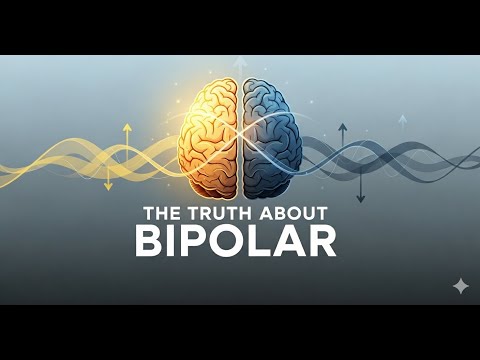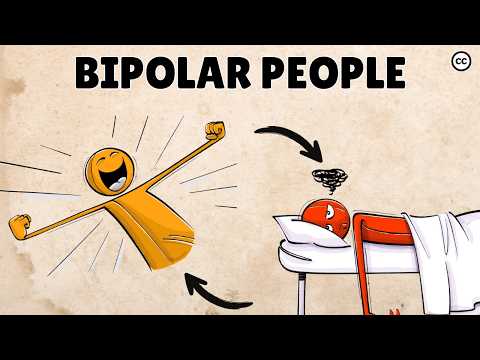
You know, it’s funny how everyone has their ups and downs, right? But what if those swings are way more extreme?
Bipolar disorder is one of those things that can seem really confusing. One moment, you might feel on top of the world. The next, it’s like you’re stuck in a pit.
It’s not just moodiness; it’s a complex condition that affects how someone thinks, feels, and behaves. Kinda wild when you think about it!
So, let’s dive into what bipolar disorder really is, how it shows up in daily life, and what the science says about it. You might find some familiar patterns along the way!
Comprehensive Guide to the Pathophysiology of Bipolar Disorder: Downloadable PDF Resources
Bipolar disorder is one of those conditions that can be a real rollercoaster, both for the person experiencing it and for those around them. The ups (mania or hypomania) and downs (depression) can feel like they’re on a loop, which can make life pretty complicated.
To get into the nitty-gritty, let’s chat about the **pathophysiology** of bipolar disorder. Basically, this term refers to how the disease affects the body and brain on a biological level. You might wonder why it matters, right? Well, understanding this helps people identify symptoms and provides a clearer picture of what’s going on in someone’s head.
First off, brain chemistry plays a big role. Neurotransmitters are these tiny chemical messengers that help neurons communicate with each other. In bipolar disorder, there might be an imbalance in neurotransmitters like **serotonin**, **dopamine**, and **norepinephrine**.
- Serotonin: This one is linked to mood regulation. When levels are low during depressive episodes, you might feel sad or hopeless.
- Dopamine: Often referred to as the “feel-good” neurotransmitter. Too much of it during manic phases can lead to euphoria or impulsive behavior.
- Norepinephrine: This is involved in alertness and energy levels. Fluctuations here might contribute to feelings of fatigue or mania.
Now let’s talk about genetics. There’s definitely some family connection with bipolar disorder. If someone in your family has it, your chances increase a bit—like if your sibling has it, you might have a 15-20% chance compared to 1-2% in the general population.
Environmental factors play an equal part too! Stressful life events or traumatic experiences can act like triggers for episodes—let’s say losing a job or going through a tough breakup can send someone spiraling into depression or even trigger a manic episode.
Another important aspect is structural changes in the brain. Research shows some folks with bipolar disorder may have differences in certain brain regions that control mood and impulse regulation—think about areas like the prefrontal cortex and amygdala.
So when looking into resources about identifying bipolar disorder, you’ll find tons of downloadable PDFs out there packed with information on symptoms and diagnostic criteria laid out by professionals! These materials cover aspects such as:
- Symptoms: Look for signs like mood swings lasting days to weeks.
- Diagnosis: Usually done by psychiatrists using structured interviews.
- Treatment options: Medications such as mood stabilizers or therapy techniques that focus on managing symptoms.
Remember how I mentioned environmental factors? Well, lifestyle changes can help manage those ups and downs too! Regular sleep patterns, healthy eating habits, and good social support make all the difference.
In summary, figuring out Bipolar Disorder isn’t just based on feelings alone; it’s very much rooted in biological processes too. Knowing this gives you better insight into what someone else—or maybe even yourself—is going through when dealing with this condition. If you’re looking for more resources about identifying it, there are plenty of solid PDFs out there ready for downloading!
Downloadable Bipolar Disorder Journal PDF: A Comprehensive Tool for Self-Reflection and Management
People often look for ways to better understand their mental health, especially when dealing with something as complex as bipolar disorder. So, you might be curious about how a downloadable bipolar disorder journal can help with self-reflection and management.
Having a journal can really empower you. It’s like holding a mirror to your thoughts and feelings. You might write about your moods, triggers, or those times when you feel like you’re on top of the world. That reflection can bring clarity!
When you’re tracking your emotions daily, patterns often start to emerge. For instance, you could notice that every time you have an important deadline at work, your mood swings intensify. Recognizing this can give you valuable insights into how stress affects your mental state.
Here are some key points about how journaling aids in managing bipolar disorder:
- Self-awareness: Keeping a journal encourages awareness of mood changes and personal triggers.
- Tracking cycles: It helps in identifying cycles of mania and depression over time.
- Emotional processing: Writing down feelings allows for a better understanding of emotions and helps in coping.
- Your story: A journal documents your journey, which is empowering and may serve as a reminder of progress.
You know those moments where everything feels overwhelming? Writing it down can lighten that load. It’s kind of like talking to a friend who listens without judgment.
Also, when it comes to therapy sessions or doctor appointments, having that journal handy lets you share specific experiences. This can lead to better conversations about what treatments or strategies might suit you best.
But keep in mind—it’s not just about documenting the highs and lows. You could use it for gratitude too! Listing things you’re thankful for during tougher days might shift focus away from negativity. This doesn’t mean ignoring challenges; it just adds balance.
In terms of structure in your journal, think about including sections for goals or positive affirmations as well. Maybe jot down things you’ve achieved—even small wins can build momentum over time.
So yeah, while there isn’t one “right” way to use a bipolar disorder journal PDF, the key is finding what resonates with you personally. Whether it serves as an emotional outlet or a tool for deeper insight into your experiences, journaling has the potential to be quite transformative!
Exploring Bipolar Disorder: A Comprehensive Collection of Journal Articles and Research Insights
Bipolar disorder is one of those mental health topics that can be a bit tricky to wrap your head around. It’s not just about feeling happy or sad; it involves some real, intense emotional swings. Basically, people with bipolar disorder experience **mood episodes** that go from the highest highs during manic phases to the lowest lows during depressive ones.
When you think about it, imagine a friend who, one moment, is ready to take on the world—wanting to start a new project or go out dancing all night. Then just days later, they might feel so low that getting out of bed seems like climbing a mountain. That contrast is crucial; it’s not just regular mood swings we all have but something deeper.
Some key points from research into bipolar disorder include:
- Manic Episodes: These are characterized by high energy, reduced need for sleep, and possibly impulsive behavior.
- Depressive Episodes: This stage is marked by feelings of sadness, hopelessness, and lack of interest in activities.
- Cyclothymic Disorder: This is when someone experiences milder forms of mood swings for at least two years.
- Mixed Features: Sometimes people have symptoms of both mania and depression at the same time.
Understanding these aspects can be tough since everyone’s experience varies widely. Some might cycle through moods quickly while others may stay in one phase for weeks or months. Research shows that genetics play a significant role in bipolar disorder; so if someone in your family has it, you could be at a higher risk.
Also interestingly, environmental factors matter too! Stressful life events—like losing a job or going through a break-up—can trigger episodes. That’s why keeping track of moods and triggers can help manage the condition better.
It’s also been noted that bipolar disorder can sometimes coexist with other mental health issues like anxiety disorders or substance abuse problems. Imagine dealing with not just extreme mood changes but also anxiety on top! It complicates things further and makes finding effective treatment strategies even more essential.
Now here’s where psychology really shines: there are specific therapies designed to help. Cognitive-behavioral therapy (CBT) is popular because it helps people recognize negative thought patterns and replace them with healthier ones. Plus, medication can play an important role too—medications like mood stabilizers are often used to help minimize those intense mood swings.
But here’s something you should keep in mind: recognizing the signs early on can make all the difference. If you or someone you know seems to be experiencing these drastic mood changes frequently, reaching out for support isn’t just smart—it might be necessary.
Research is always evolving in this area! Articles and studies continue shining light on new treatment options and understanding how this complex disorder works. So keep looking out for new info; it’s kind of exciting how science keeps pushing boundaries!
Bipolar disorder, huh? It’s one of those mental health topics that can feel pretty overwhelming. It’s not just mood swings, you know? It’s like a rollercoaster ride where you sometimes feel super high and then crash down into a deep pit. The intense emotional shifts are what makes it so difficult for people who experience it—and also for their friends and loved ones.
So, picture this: a friend of mine went through some wild ups and downs. One moment, they were the life of the party, full of energy and ideas, basically buzzing with creativity. You could hardly keep up! But then, like flipping a switch, they’d fall into these low spells where getting out of bed felt like climbing Everest. That contrast can be really jarring.
What researchers have found is that bipolar disorder usually includes distinct episodes of mania and depression. During manic phases, people might feel euphoric or irritable. They might make rash decisions—like spending way too much money on something ridiculous—because their judgment is clouded by that intense energy. On the flip side, during depressive episodes, everything feels heavy; motivation disappears, and even simple tasks become monumental challenges.
Now here’s the thing: identifying bipolar disorder isn’t just about spotting those extremes; it’s more nuanced than that. Factors like family history and specific symptoms really come into play. Some people might only have a few manic episodes in their lifetime while others face frequent fluctuations. It’s not so straightforward.
There’s also this aspect called mixed features where someone might experience symptoms of both mania and depression at the same time—a double whammy! Imagine feeling restless but hopeless at the same time; it must be incredibly confusing.
And let me tell ya—stigma is still something folks with bipolar disorder deal with every day. People might not understand how serious this is or blame them for not just “snapping out of it.” But mental health isn’t something you can just shake off like dust from your shoes!
It’s crucial to approach all this with empathy—not everyone walks the same path when it comes to mental health struggles. Recognizing these signs can help foster understanding rather than judgment. So if you notice someone going through ups and downs or find yourself experiencing changes in mood that seem extreme or unmanageable—it never hurts to reach out or encourage seeking support.
At its core, awareness is key for both individuals who may be experiencing these symptoms and their support systems—friends or family members who want to help without overstepping bounds or adding pressure. Just having an open conversation about mental health can be game-changing!