Alright, let’s talk about something that gets thrown around a lot: narcissism. You know, the whole «me, me, me» vibe?
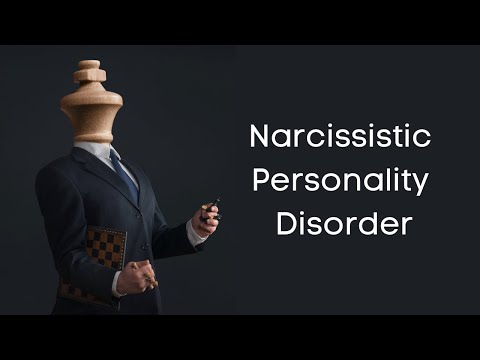
Narcissistic Personality Disorder (NPD) is that but on a whole different level. It’s not just about being self-absorbed or loving your selfies. There’s way more going on beneath the surface.
Imagine someone who’s constantly fishing for compliments, acting like they’re the best at everything. It’s exhausting, right?
But here’s the kicker: understanding NPD can help make sense of some pretty tricky behaviors we see in ourselves or others.
So, if you’re curious about what really makes a narcissist tick—and how to spot it—you’re in the right place!
Understanding DSM-5 Criteria for Narcissistic Personality Disorder: A Comprehensive Guide
Narcissistic Personality Disorder (NPD) can feel like a heavy term, right? Well, it’s a pretty specific thing in the world of psychology. The DSM-5, which stands for the Diagnostic and Statistical Manual of Mental Disorders, 5th Edition, lays out clear criteria for diagnosing this particular disorder.
So, what does it say? The DSM-5 outlines several traits that someone may display if they have NPD. Here’s a breakdown:
- Grandiosity: This is all about an inflated sense of self-importance. They might believe they’re special or unique.
- Preoccupation with success: They often think about unlimited success, power, brilliance, or beauty.
- A sense of entitlement: You know when someone expects special treatment? That’s part of it!
- Lack of empathy: This is huge. People with NPD may struggle to recognize or care about others’ feelings.
- Envy: They might feel envious of others or believe others are envious of them.
- Arrogant behavior: You can spot them sometimes acting snobbish or condescending.
To get diagnosed with NPD, you typically need to show at least five of those traits. Imagine someone who constantly brags about their accomplishments and belittles your achievements without even noticing they did so. That’s a classic example.
Now let’s not forget the emotional side! People with NPD often seek validation and admiration constantly. It can be exhausting for those around them because their needs can seem endless. Just think about it like this: you’ve got a friend who always needs to be the center of attention at parties; they can make gatherings feel tense if they’re not getting enough praise.
The impact? It doesn’t just affect them; it spills over into relationships too. Friends and family might feel drained or even manipulated by that constant need for validation.
When diagnosing NPD, mental health professionals also check if these behaviors started in early adulthood and appear in various contexts – like social situations and work environments.
So there you have it! Understanding the DSM-5 criteria gives you insight into how complex narcissism really is. While it sounds straightforward on paper, the real-life implications are anything but simple. People aren’t just lists of criteria; they’re layered individuals navigating emotions and relationships in different ways every day!
Understanding the 9 Key Criteria for Diagnosing Narcissistic Personality Disorder
Diagnosing Narcissistic Personality Disorder (NPD) is no small task. It’s a pretty layered situation, and there are specific criteria that must be met. Let’s break it down together.
The Diagnostic and Statistical Manual of Mental Disorders (DSM-5) outlines nine key criteria for identifying NPD. You don’t need to remember all of them, but understanding a few can really help you see the bigger picture. Here’s a look at those criteria:
- Grandiosity: This isn’t just being proud of accomplishments. People with NPD often exhibit an inflated sense of self-importance or believe they are superior to others. For instance, they might dismiss someone else’s success as irrelevant.
- Preoccupation with Success: They often obsess over fantasies of unlimited success, power, brilliance, or beauty. Think about someone who only talks about their career achievements and seems disconnected from others’ experiences.
- Believing They’re Special: They might think they can only be understood by, or should associate with, other special people or institutions. Ever met someone who feels like they’re above attending regular events because “they’re too good for that”? Yeah, that’s a classic sign.
- Need for Excessive Admiration: They crave attention and validation constantly. It can be exhausting! A person with NPD might fish for compliments or become upset if they’re not the center of attention in social settings.
- Sense of Entitlement: This is when they expect special treatment without question. For example, they might feel angry if someone cuts in line, insisting that their time is more valuable than everyone else’s.
- Lack of Empathy: This one’s tough because it can lead to hurt feelings all around. People with NPD struggle to recognize or care about the feelings and needs of others—like when a friend shares something important but they just turn it back to themselves.
- Envious Behavior: They often believe others are envious of them and may express disdain toward those who have what they want—whether it’s looks, wealth, or social status.
- Arrogant Attitudes: Their demeanor might come off as snobby or condescending. Someone with NPD may talk down to others as if they’re inferior—like at work making fun of colleagues’ ideas instead of offering constructive feedback.
- Exploitative Relationships: This criterion covers how they take advantage of others for personal gain. For instance, using friends just to climb higher on the corporate ladder without any remorse is pretty typical behavior.
Meeting five outta these nine criteria can lead to a diagnosis! But remember: understanding these traits isn’t about labeling people; it’s about shedding light on complex behavior patterns.
So yeah, NPD shows up in various ways and impacts relationships significantly—it changes how individuals interact with the world around them. If you bump into someone exhibiting this behavior regularly? Well… you might wanna practice some healthy boundaries! Just saying!
Comprehensive DSM-5 Guide to Narcissistic Personality Disorder: Downloadable PDF Resource
Narcissistic Personality Disorder (NPD) is one of those terms that gets thrown around a lot. But do you actually know what it means? Well, it’s all about a pattern of grandiosity, a need for admiration, and a lack of empathy. Sounds intense, right?
So first things first, the Diagnostic and Statistical Manual of Mental Disorders, Fifth Edition (that’s the DSM-5 if you’re cool) has some specific guidelines to help identify NPD. It’s not just about being self-absorbed; there’s more to it. Here are the key criteria:
- Grandiose sense of self-importance: People with NPD tend to overestimate their achievements and talents.
- Preoccupation with fantasies: They often daydream about unlimited success or power.
- Believing they are special: They think they can only be understood by other high-status individuals.
- Need for excessive admiration: Constant compliments aren’t just flattering; they’re necessary.
- Sense of entitlement: They believe that they deserve special treatment or automatic compliance.
- Lack of empathy: This is a biggie—they struggle to recognize or care about other people’s feelings.
- Envying others: They often feel envious over others’ successes or believe that others are envious of them.
- Arrogant behaviors or attitudes: You might notice them dismissing those they see as inferior.
To be diagnosed with NPD, someone needs to meet five or more of those criteria. It’s important to remember that this isn’t just about having some narcissistic traits. It has to create issues in relationships or at work.
You might be sitting there thinking, “Okay, but how does this look in real life?” Picture someone who constantly seeks praise on social media but gets really upset if nobody likes their posts. Or maybe you’ve got a friend who can’t handle criticism at all—like literally can’t even! That could be a sign.
Now, let’s chat about where you can find more resources on NPD if you’re interested. There are some great downloadable PDFs out there—scientific articles might be your thing too! Look for resources that summarize diagnostic criteria along with case studies so you can see how these symptoms play out in real life.
For anyone curious about mental health topics like this one, getting your hands on trustworthy materials is key—that way you can help yourself or others understand these processes better without getting overwhelmed by all the jargon floating around.
So there you have it! NPD isn’t just an annoying term; it really dives into complex human behavior patterns. Understanding it can lead to better conversations and relationships all around!
So, when you start chatting about Narcissistic Personality Disorder (NPD), it can feel a bit heavy, right? It’s one of those topics that just *screams* complexity. I mean, think about it—most of us have bumped into someone with narcissistic traits at some point. But the whole diagnostic angle? That’s where things get a bit slippery.
You see, the guidelines for diagnosing NPD come from a mental health manual called the Diagnostic and Statistical Manual of Mental Disorders (DSM). It sets out specific criteria that psychologists look at to make a diagnosis. Basically, they’re checking for patterns in behavior and thinking that indicate a pervasive sense of grandiosity, a need for admiration, and a lack of empathy. It’s like hunting for clues in someone’s life story!
Now I remember this friend of mine from college who had this magnetic personality. Everyone was drawn to her; she seemed *perfect* on the surface. But as time went on, I started noticing certain patterns: she would dominate conversations without even considering how others felt or what they might want to say. If someone disagreed with her? Total meltdown! So, yeah—she had some traits that definitely lined up with NPD.
But here’s where it gets tricky: just because someone shows these traits doesn’t mean they have NPD. There are layers and complexities here. The DSM criteria aren’t black-and-white; they acknowledge that personalities are nuanced and sometimes messy. You can’t just slap a label on someone based on surface behaviors.
And while these guidelines help professionals understand what to look for, there’s still room for interpretation. Context matters—a lot! Someone can exhibit narcissistic traits because of personal struggles or past experiences instead of fitting neatly into this diagnostic box.
In the end, talking about NPD opens up all sorts of questions about empathy, relationships, and our own behaviors too. Like how sometimes we might all act selfishly but not necessarily have a disorder! Recognizing these patterns in ourselves can be as enlightening as spotting them in others.
So yeah, discussing NPD through diagnostic guidelines can feel almost like navigating an emotional maze—fascinating but also kind of dense at times!