You know those days when your emotions feel like a rollercoaster? One minute you’re on top of the world, and the next, you’re in the depths of despair. It’s exhausting, right?
Well, that’s where emotional regulation comes in. It’s all about learning to handle those wild feelings without losing your cool.
Enter Dialectical Behavior Therapy—or DBT for short. Yeah, it sounds fancy, but it’s really just a way to help you navigate through life’s emotional storms.
Imagine having tools to not just understand your feelings but to actually manage them! That’s what we’re diving into here. So grab a snack and let’s chat about how DBT can be your new best friend in getting those emotions under control!
Improving Emotional Regulation: An Example of Dialectical Behavior Therapy in Action
So, let’s talk about emotional regulation and how it can be improved with something called Dialectical Behavior Therapy (DBT). Emotional regulation is all about managing your emotions—like not blowing up when you’re angry or breaking down when you’re sad. You know those moments when you just feel overwhelmed? DBT has some cool tools for handling that.
One key aspect of DBT is the idea of mindfulness. It’s about being present, really tuning into what you’re feeling without judgment. Imagine you’re sitting outside, and you suddenly feel a wave of anxiety. Instead of trying to shove that feeling away, mindfulness teaches you to just sit with it. You focus on your breath or the sounds around you; this helps in not getting swept up by the emotion.
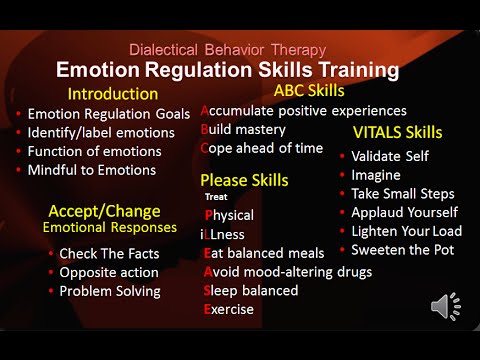
Emotion Regulation Skills are another big part of DBT. These skills help you identify and understand your feelings better. For example:
- You learn to label your emotions: instead of just saying “I’m upset,” think “I’m feeling frustrated because I didn’t meet my goals today.”
- You can practice opposite action: if you’re feeling lonely but want to isolate yourself, go out and hang with friends instead.
Let’s say you’re at work and get some critical feedback from your boss. You might feel a surge of anger and disappointment. With DBT, instead of reacting right away (maybe by snapping back), you’d take a step back. You’d breathe deeply, acknowledge how you’re feeling—“Okay, I’m angry”—and then decide how to respond thoughtfully.
Interpersonal Effectiveness, also part of DBT, focuses on improving relationships while staying true to yourself. If someone says something that bothers you, instead of bottling it up or being passive-aggressive later, you’d express how you feel in a respectful way without losing your cool.
The beauty of these techniques is they don’t happen overnight. It takes practice—like learning an instrument or a new sport—and sometimes you’ll mess up along the way! But that’s okay because each time you try again; you’re getting better at recognizing those emotional patterns.
DBT often combines these skills with validation; basically letting people know their emotions are real and mattering while also guiding them towards healthier responses. If we take this into account, it makes navigating tough feelings less daunting.
The next time you’re caught up in a whirlwind of feelings—just remember: it’s totally normal! The thing is to not let those emotions run your life like a roller coaster ride but rather understand them as waves that come and go.
If you think about emotional regulation as a toolbox filled with skills from DBT, you’ll find handy tools right when you need them most! So keep practicing mindfulness, emotion regulation skills, and communication strategies because they’re seriously game-changers!
Essential DBT Emotion Regulation Skills: Downloadable PDF Guide for Effective Techniques
Sure! Let’s chat about some essential Dialectical Behavior Therapy (DBT) emotion regulation skills. These are pretty handy if you find your emotions swinging all over the place. They help you get a grip and respond more effectively to what life throws at you. So, here’s the scoop:
1. Understand Your Emotions
First off, it’s super important to recognize what you’re feeling and why you’re feeling it. A lot of times, we just skim over our emotions without really diving deep. You might feel anxious before a big presentation but not connect it to worries about judgment or failure.
2. Build Emotional Awareness
This ties back to understanding emotions but focuses on awareness in real-time. Start noticing when a strong emotion hits—like anger or sadness—and ask yourself questions like: “What triggered this?” or “How does my body feel right now?” It’s like shining a flashlight in the dark!
3. Use Opposite Action
When your emotions push you towards certain behaviors—like hiding away when you’re sad—try doing the opposite instead! If you feel like crying, call up a friend instead and chat about something lighthearted. Shifting your action can help change how you’re feeling.
4. Building Positive Experiences
Make sure you’re creating enough positive moments in your life! This could be as simple as watching a funny movie or treating yourself to a walk in nature. These little joys can balance out the tougher times, so prioritize them.
5. Distress Tolerance Skills
Sometimes you just have to ride out those overwhelming moments without reacting too much. Skills like deep breathing or using grounding techniques can help keep things from spiraling out of control, allowing space for clarity.
6. Check Your Thoughts
Our thoughts can seriously mess with our emotions! Getting caught up in «all-or-nothing» thinking, for instance, can make situations seem way worse than they are. Try challenging those thoughts and replacing them with more balanced ones.
The emotional rollercoaster can be exhausting, but having these skills at your fingertips is seriously empowering! Whether through worksheets, exercises, or even downloadable PDFs that dive deeper into these techniques—you’ll find valuable resources that break these concepts down nicely.
So next time an emotion comes knocking at your door, remember these DBT tools and give them a try! You might be surprised by how much control you actually have over how you feel and respond to life’s ups and downs.
Essential DBT Emotional Regulation Worksheets for Effective Practice
Emotional regulation is one of those things we all struggle with at times. You know, feeling overwhelmed by your emotions or not knowing how to handle them? That’s where Dialectical Behavior Therapy, or DBT for short, comes in handy. It gives you tools to manage those intense feelings!
One of the key components of DBT is using **worksheets** that help you practice emotional regulation. These worksheets are like a bridge between the stuff you learn in therapy and real life, making it easier to put those lessons into action. Here are some essential DBT emotional regulation worksheets that can really make a difference:
- ABC Please Worksheet: The ABC model helps you identify Antecedents (triggers), Behavior (your response), and Consequences (the outcome). By breaking it down this way, you can see patterns in your emotional reactions.
- Check the Facts Worksheet: When emotions run high, it’s super easy to misinterpret situations. This worksheet encourages you to investigate the facts before jumping to conclusions. For example, if a friend cancels plans with you, instead of assuming they don’t like you anymore, checking the facts might reveal they had a family emergency.
- Emotion Regulation Skills Worksheet: This one teaches specific skills for managing emotions like sadness or anger. It might suggest things like deep breathing or visualizing a calming place when you’re feeling stressed out.
- Vulnerability and Emotion Regulation Worksheet: Here, you’ll identify factors that make your emotions harder to manage—like not getting enough sleep or feeling lonely. Understanding these vulnerabilities is crucial because it helps prevent emotional flare-ups.
So imagine this: You’re feeling really anxious before a big presentation at work. You could use the **Check the Facts Worksheet** to see what’s making you feel that way. Is it really about the presentation? Or maybe it’s about fears from past experiences? Recognizing this could help shift your anxiety into something more manageable.
And let’s not forget about practicing self-compassion while using these worksheets! It’s easy to be hard on yourself when you’re working through difficult emotions; however, being kind and understanding with yourself makes everything smoother. If you’re struggling with an emotion that feels too much, remind yourself: “Hey, it’s okay to feel this way.”
Using these worksheets can really help enhance your emotional regulation skills over time—like building muscle at the gym but for your mind! So next time you’re caught up in an emotional whirlpool, reach for one of these worksheets and start navigating through it more effectively.
You know, emotional regulation isn’t always the easiest thing to deal with. We all have those moments when our feelings take the wheel—like when something small sends us spiraling into frustration or sadness. It can feel overwhelming sometimes, right? That’s where the idea of Dialectical Behavior Therapy (DBT) comes into play.
So, DBT is this fascinating blend of cognitive-behavioral techniques and mindfulness practices designed to help you manage your emotions better. It was originally developed for folks with borderline personality disorder, but honestly, anyone can benefit from it!
Imagine being in a situation where you’re really angry about something—a missed opportunity at work or maybe an argument with a friend. Instead of letting that anger erupt like a volcano, DBT teaches you skills to pause and breathe. It’s like pressing the “pause” button before responding, giving you space to process your feelings without acting on impulse.
I remember this time I had a huge fight with my best friend over some silly misunderstanding. My first instinct was to lash out and say things I didn’t mean, which could’ve made everything worse. But then I thought about how helpful it would be to take a step back instead of just reacting emotionally. That little shift in perspective helped me cool down and approach the whole situation differently.
What’s cool about DBT is that it emphasizes acceptance and change at the same time—hence “dialectical.” You learn that it’s okay to feel your feelings deeply while also finding ways to change how they affect you. There are these skills modules within DBT, like distress tolerance and interpersonal effectiveness, which really help you navigate tough emotional waters.
For instance, distress tolerance skills can come in handy when you’re feeling overwhelmed by emotions. Instead of letting them drown you, these skills teach you how to ride out those waves until they pass—kind of like surfing through your feelings instead of getting knocked over each time!
And let’s not forget about mindfulness; it’s all about being present in the moment without judgment. This practice can help clear away some of that mental clutter so you’re not constantly getting caught up in past regrets or future worries.
In short, enhancing emotional regulation through techniques from DBT isn’t just for those facing serious psychological challenges; it’s for anyone looking to improve their relationship with their emotions! Life becomes more manageable when you feel equipped to handle what comes your way—like having an emotional toolbox right at your fingertips.
Honestly? It’s empowering stuff when you realize you can control how emotions influence your actions—even if it feels impossible sometimes! Just remember: you’re not alone on this journey; we’re all figuring it out together one day at a time!