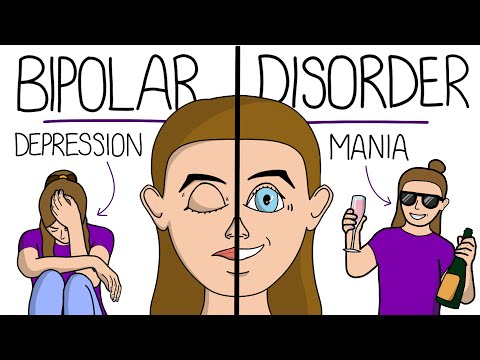
You know how life can feel like a rollercoaster sometimes? One moment you’re on top of the world, feeling invincible, and the next, it’s like you’re stuck in a deep pit. That ups and downs thing? Yeah, it’s got a name—bipolar disorder.
But here’s the kicker: bipolar disorder isn’t just one thing. There are different types, or variants, if you will. Each one has its own vibe and quirks. It’s kinda wild how varied people’s experiences can be.
So let’s chat about the different flavors of bipolar disorder. Get comfy, because understanding this stuff can really change how we see ourselves and others who cope with it!
Understanding the 7 Types of Bipolar Disorder: A Comprehensive Guide
Bipolar disorder can be a pretty heavy topic, but it’s important to understand the different types. So, let’s break down the 7 types of bipolar disorder, so you get the full picture. Each type has its quirks and characteristics, and they can really affect how someone experiences life.
Bipolar I Disorder is often what pops into people’s heads when they think about bipolar. It involves *at least one* manic episode that lasts for at least a week. You might feel super energetic or euphoric, like you could take on the world—but it can also lead to some serious mood swings and irritability.
Then we’ve got Bipolar II Disorder. This one’s kind of like a different flavor of Bipolar I. Here, the person experiences *hypomanic episodes*, which are less intense than full manic episodes. But they also experience major depressive episodes, which can be tough—think low energy and feelings of sadness for weeks or even months.
Cyclothymic Disorder is another variant that flies under the radar sometimes. It involves periods of hypomanic symptoms and depressive symptoms lasting *at least two years*. These moods aren’t as extreme as in Bipolar I or II, but they can definitely impact daily life over time.
Now, let’s talk about Other Specified Bipolar and Related Disorders. This type includes conditions that don’t meet the exact criteria for the other bipolar classifications but still have significant mood disturbances. It might look different from person to person since it qualifies based on specific symptoms or timeline variations.
Then there’s Unspecified Bipolar and Related Disorders. This is kind of a catch-all category used when someone has significant mood changes but doesn’t fit neatly into any specific type at that moment. It helps mental health professionals communicate about what’s going on without forcing a label that may not fit.
We also have something called Bipolar Disorder Due to Another Medical Condition. This one happens when physical health issues (like thyroid problems or neurological disorders) cause similar mood swings we see in typical bipolar cases. The medical condition needs treating alongside any mood changes.
Finally, there’s this idea called Kleptomania with Bipolar Features. While kleptomania itself is more about compulsive stealing, some people may experience bipolar-like symptoms alongside it, making this an interesting mix that requires careful consideration by mental health experts.
In short, understanding these different types helps us realize just how unique each person’s experience with bipolar disorder can be! Everyone feels things differently, so keeping an open heart and mind is key when discussing these complexities with others!
Understanding the Four Types of Bipolar Disorder: Symptoms, Diagnosis, and Treatment Options
Bipolar disorder can be a real rollercoaster ride for those who experience it. It involves intense mood swings that range from emotional highs (mania or hypomania) to lows (depression). The diagnosis isn’t just a one-size-fits-all approach. In fact, there are four main types of bipolar disorder, each with its own unique traits. Let’s break it down.
Bipolar I Disorder is often what most people think of when they hear «bipolar.» In this type, you’ll see manic episodes lasting at least seven days or by manic symptoms that are so severe that immediate hospital care is needed. Those ups are intense! They can lead to reckless behaviors like extreme spending sprees or risky sexual encounters. But then it takes a turn into depression, which can feel like an emotional bottomless pit.
Bipolar II Disorder is somewhat similar but differs in the intensity of the manic episodes. Here, the person experiences hypomania, which is basically a milder form of mania. You might feel really energetic and productive but not lose touch with reality, you know? The depressive episodes tend to be more pronounced in this version and can significantly affect day-to-day functioning.
Cyclothymic Disorder is like riding a bike on a bumpy road instead of soaring high or crashing down. It involves periods of hypomanic symptoms and depressive symptoms for at least two years in adults (or one year in kids). However, these symptoms don’t quite meet the diagnostic criteria for hypomania or major depression. It’s less severe overall but can still seriously mess with your mood and quality of life.
Then we’ve got Other Specified and Unspecified Bipolar and Related Disorders. This category catches all those variations that don’t fit neatly into the other three types. Maybe you have some cycles of mood disturbances lasting less than the typical timeframe but still problematic enough to impact your life significantly.
When it comes to diagnosing bipolar disorder, mental health professionals look at several things—your history, current symptoms, and how they affect your life. They usually perform interviews focusing on your mood changes over time and might use standard questionnaires as part of their assessment.
And how do you treat these types? Well, it often includes a mix of medication and therapy. Medications like mood stabilizers, antipsychotics, or antidepressants are common choices to help keep those moods in check. Therapy can also play an important role; talking through feelings with someone trained can help manage this complicated condition better than you might expect.
So yeah, bipolar disorder comes in different flavors—each with its quirks but all impacting lives deeply. Understanding the variations helps not only those who experience it but also the people around them navigate through this challenging journey together!
Exploring the 5 Types of Bipolar Disorder: A Comprehensive Guide
Bipolar disorder isn’t just one thing; it actually comes in different flavors. It can be a bit overwhelming, but if you break it down, it becomes easier to grasp. Let’s look at the five main types.
- Bipolar I Disorder: This is probably the most recognized form. It’s characterized by having at least one manic episode that lasts for a week or more. During this time, you might feel super energetic, talk really fast, or make decisions without thinking them through. These manic episodes can swing to depressive ones where everything feels dark and heavy.
- Bipolar II Disorder: This one’s a bit trickier because people often confuse it with regular depression. In Bipolar II, there’s no full-blown manic episode but rather hypomanic episodes that are less severe. You might feel happy and productive for a few days but then drop into depressive lows that can be hard to shake off.
- Cyclothymic Disorder: Here, you get mood swings that aren’t as severe as those in Bipolar I or II but still significant enough to impact your life. You’ll have periods of hypomania and mild depression lasting for at least two years. It can feel like being on a roller coaster without going too high or too low.
- Other Specified and Unspecified Bipolar and Related Disorders: Sometimes people don’t fit neatly into the other categories. This is where those unique cases land. For example, maybe someone experiences rapid cycling—having four or more mood episodes in a year—but doesn’t fit all the criteria for the more defined types.
- Bipolar Disorder Due to Another Medical Condition: Certain medical issues or substances can trigger symptoms similar to bipolar disorder. Think about how thyroid problems or chronic stress can mess with your mood big time! If this happens, treating the underlying condition might improve your mood swings.
So basically, these types describe different patterns of mood shifts—from the extreme highs and lows of Bipolar I to the milder ups and downs of cyclothymic disorder.
It’s important to remember that everyone experiences these moods differently! Some people might have longer manic phases; others may struggle mainly with depressions.
You know, navigating through life with any type of bipolar disorder isn’t easy. It can feel isolating sometimes—like riding an emotional wave while everyone else is just chilling on solid ground. But understanding these variants helps in recognizing symptoms early on and getting targeted support when needed.
So keep this info in mind if you ever want to understand what someone with bipolar disorder might be going through; it can make all the difference!
Bipolar disorder is one of those things that sounds straightforward, but when you start digging into it, you realize it’s like an onion—lots of layers and sometimes a good cry is involved. So, let’s break it down a bit. Essentially, bipolar disorder involves extreme mood swings, right? You’ve got the highs—mania or hypomania—and the lows—depression. But here’s where it gets interesting: there are actually different variants or types of bipolar disorder.
Take Bipolar I for instance. This one usually features at least one manic episode, which can feel like you’re on top of the world but often leads to some risky behaviors. I had a friend who went through this phase where he was convinced he was invincible; he bought a motorcycle he couldn’t afford and tried to launch himself off his garage roof. Not his best moment! But that’s mania for you—it can distort your reality and make you feel superhuman.
Then there’s Bipolar II, which tends to fly under the radar more often. It includes at least one major depressive episode and at least one hypomanic episode—which is a less severe version of a manic state. It might not seem as intense as Bipolar I, but don’t let the “less severe” label fool you; it still causes its fair share of chaos in people’s lives.
Cyclothymic disorder is another variant that kind of sits on the sidelines. It involves periods of hypomanic symptoms as well as periods of depressive symptoms lasting for at least two years (or one year in kids and teens). You might be feeling great for a while then suddenly just down in the dumps—not enough to hit full-blown depression or mania but enough to throw your day off course.
Some people even experience what we call «bipolar disorder not otherwise specified» when their mood episodes don’t fit neatly into those categories. I remember hearing someone say they felt “off” without really knowing why until they finally got diagnosed; those ambiguous feelings can be frustrating!
Understanding all these variants helps us see that everyone’s experience with bipolar disorder is unique—like fingerprints. Some folks might vibe better with certain treatments than others based on their specific type, and that’s why getting the right diagnosis is so crucial.
In short, bipolar disorder isn’t just black-and-white; it’s more like a colorful spectrum full of ups and downs. And recognizing these different paths within bipolarity can spark empathy and help all of us understand what someone might be going through a little better.