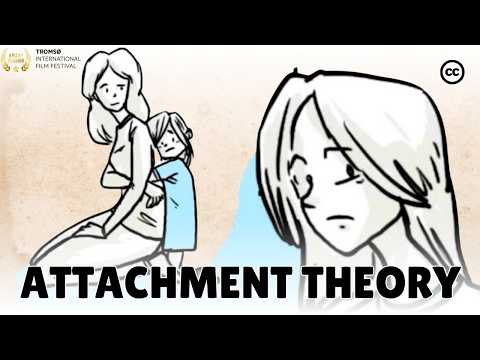
You know how some people just seem to click with others while some struggle to connect? It’s super interesting, right? That’s where attachment styles come into play.
So basically, these styles shape how we bond with others. They’re like blueprints for our relationships. We all have them—whether we realize it or not.
Maybe you’ve felt that thrill of being close to someone or the dread of feeling abandoned. Those feelings aren’t random; they’re tied to how we learned to love and be loved.
Want to figure out your own style or understand what makes your relationships tick? Let’s break it down together!
Explore Your Attachment Style: Take Our Comprehensive Quiz to Enhance Relationship Insights
Ever wondered why you click with some people and struggle with others? The answer might lie in something called attachment styles. It all comes from how we connect with others, and it plays a huge role in our relationships.
Your attachment style is basically your way of relating to people based on early interactions with caregivers. There are four main types:
- Secure attachment: If you had a reliable caregiver, you probably feel comfortable with intimacy and independence. You trust easily and can express your feelings without much fuss.
- Anxious attachment: This style often comes from inconsistent caregiving. You might find yourself craving closeness but also worrying about being abandoned. So, you could become clingy or overly sensitive to your partner’s moods.
- Avoidant attachment: If you experienced distant caregiving, you might avoid emotional closeness. You value independence and may feel uncomfortable when someone gets too close.
- Fearful-avoidant attachment: This can stem from trauma or negative experiences. You desire connection but also fear getting hurt, leading to mixed signals in relationships.
You might be thinking, “So how do I even know my attachment style?” Well, there are quizzes out there designed to give you some clarity! They typically ask about your feelings during relationships and how you respond to intimacy and conflict.
Taking one of those quizzes isn’t just for kicks. It can give you insight into patterns that keep popping up in your love life. For instance, if you’re always dating the same type of person who doesn’t meet your needs, understanding your attachment style can help break that cycle.
Imagine this: Sarah always falls for guys who don’t text back right away. Turns out she has an anxious attachment style that makes her worry they’re losing interest. Once she realizes this pattern, she learns to communicate better and address her feelings instead of just obsessing over that 3-minute delay between texts!
Your results not only shed light on how you relate but can guide how to improve your relationships moving forward. If you’re secure, great! You might find it easier to navigate conflict or support partners who need reassurance. But if you’re more anxious or avoidant, learning about these styles could help soften those rough edges with a little self-awareness.
The thing is, understanding these styles doesn’t mean you’re stuck with them forever; it’s more like having a map for the journey ahead in love and friendship. So as you explore this whole idea of attachment styles through quizzes and personal reflection, keep in mind that nurturing connections take time and effort!
Understanding Attachment Styles: Take the Interactive Test to Discover Your Relationship Patterns
Understanding attachment styles can give you a pretty interesting glimpse into your relationships. Think of it like a roadmap that shows how you connect with others. Everyone’s got a bit of their style based on how they related to caregivers during childhood. So, let’s break it down into the four main styles: secure, anxious, avoidant, and disorganized.
Secure attachment is like the gold standard. People with this style feel comfortable with closeness and intimacy. They trust others easily and are generally more resilient in relationships. It’s kinda like having that friend who’s always there for you, no matter what.
Next up is anxious attachment. If this resonates with you, you might find yourself constantly worried about your partner’s feelings or their commitment. You tend to seek reassurance often, which can sometimes feel a bit clingy. Picture someone texting their partner multiple times because they’re nervous something’s wrong just because they haven’t heard back yet.
Then we have avoidant attachment, where people may struggle with intimacy. They often value independence over closeness and might seem emotionally distant. Imagine someone who keeps their partner at arm’s length because they’re afraid of getting too close or losing their freedom.
And finally, there’s disorganized attachment. This style can be a mix of both anxious and avoidant behaviors—kind of like an emotional rollercoaster! Those with this style often have experienced trauma or inconsistent caregiving during childhood, leading to confusion in relationships.
So why does all this matter? Well, understanding your attachment style gives you insight into your behavior in relationships and helps you improve them! You’ll start noticing patterns in how you interact with others.
Want to figure out your own style? There are lots of interactive tests available online that can help you identify which camp you belong to. Just answer a series of questions honestly about your feelings in relationships and bam! You’ve got some self-awareness magic happening right there!
Just remember though: knowing your attachment style is just the starting point. It opens up the door for growth and understanding but doesn’t define who you are forever! Plus, as life happens, our patterns can change too—so keep an open mind!
So yeah, attachment styles reveal so much about how we connect—or sometimes struggle to connect—with others. By exploring yours, you’re taking an important step towards healthier relationships moving forward!
Understanding Disorganized Attachment Style: Key Insights and Implications for Relationships
So, disorganized attachment style is one of those things that can really mess with how you connect with people. Imagine being a kid but feeling scared and confused about your caregiver. Like, one minute they’re loving and supportive, and the next, they’re acting unpredictably or even frightening. It leads to this jumbled mix of feelings toward relationships. You might crave closeness but also freak out when someone gets too close. It’s like being on an emotional rollercoaster!
Let’s break this down a bit more. Disorganized attachment usually stems from chaotic or traumatic experiences in childhood. You never really know what to expect from the ones who are supposed to keep you safe. This leads to some key issues in adult relationships:
- Fear of intimacy: You might find yourself pushing people away even if you really want them around.
- Mixed signals: One minute you’re all in, and the next, you’re pulling back because it feels too intense.
- Difficulty trusting others: You may struggle to let your guard down or believe that someone truly cares for you.
A quick story can help illustrate this. Think about Sara, who had a rough childhood with inconsistent parenting. At times her mom was warm and attentive but suddenly turned cold or angry without warning. Fast forward to adulthood—Sara dates someone great but sabotages the relationship because she feels anxious whenever her partner wants to get closer emotionally.
This pattern happens because disorganized attachment makes you feel like love is both safe and dangerous at the same time. To cope, many people learn to act defensively—either by avoiding relationships altogether or clinging on too tightly when they do connect with someone.
The good news? Awareness is a big step forward! Understanding where these patterns come from can help you make sense of your feelings and behavior in relationships. Here are some ways it can benefit you:
- Improved self-awareness: By recognizing your attachment style, you start noticing patterns in how you interact with others.
- Better communication: When you’re aware of your fears, it’s easier to talk about them openly with partners.
- A path toward healing: Knowing there’s a reason behind your struggles gives hope for change.
If you’re looking to change these patterns, consider talking things through with a professional who understands attachment theory. It’s not about fixing yourself; it’s about learning how to form healthier connections moving forward!
This journey can be tough but rewarding as well! Building secure attachments takes time and effort—like planting seeds in a garden—but just remember: it’s totally possible, and small steps count! So don’t shy away from exploring these feelings; understanding them might just lead you closer to the loving relationships we all crave.
You know, when it comes to our relationships, it’s pretty interesting how the way we connect with others often traces back to our early experiences. Yeah, I mean, think about it. Have you ever noticed that some people seem to have a knack for getting close and staying close, while others struggle with intimacy or bounce between wanting closeness and pushing people away? That’s where attachment styles come into play.
So, attachment theory suggests that the bonds we formed in childhood with our caregivers shape how we relate to people later in life. There are four main styles: secure, anxious, avoidant, and disorganized. It’s like each style has its own playbook on how to do relationships.
For instance, let’s chat about secure attachment. Folks with this style tend to feel comfortable with intimacy and are usually good at balancing closeness and independence. It’s kind of like that friend who always shows up for you but also knows when it’s time to give you space. If this sounds familiar, count yourself lucky!
Then there’s anxious attachment. People with this style often crave closeness but constantly worry about their partner’s feelings or commitment. There was a time when my friend Sam was dating someone who had an anxious attachment style. He would send multiple texts just to see if she was okay—like a lot of texts! It led to some misunderstandings because her need for reassurance made him feel smothered at times.
On the flip side, there are those who lean toward avoidant attachment. They tend to keep an emotional distance in relationships because they fear being too close or vulnerable. I remember my buddy Mike—he’d always tell us he valued his freedom above all else. But deep down, you could see he struggled whenever someone tried breaking down those walls.
Lastly, disorganized attachment is often a mix of fear and confusion about relationships due to inconsistent parenting during childhood. This one can get tricky because these folks might want connection but also feel terrified of it at the same time.
Understanding these styles can be really enlightening when you think about your interactions with family or friends or even romantic partners. It helps explain why things sometimes don’t click between people or why certain patterns keep repeating themselves in your love life.
In a way, recognizing your own attachment style—and maybe those around you—can open up conversations that lead to healthier connections down the line. What do you think? Ever noticed these patterns in your own life?