You know how sometimes you’re chatting with someone and it just clicks? Like, you both get each other right away?
But then there are those awkward conversations where you’re left scratching your head, wondering what on earth just happened.
Yeah, communication styles can be a real trip! It’s wild to think about how we all have our own ways of expressing ourselves. Some folks are super direct, while others dance around the point.
It’s not just about what you say, but how you say it too. And trust me, there’s a ton of psychology behind that!
So buckle up, because we’re diving into the fascinating world of communication styles and how they shape our connections with each other.
Understanding Communication Styles in Psychology: A Comprehensive Guide
Communication is super important in our daily lives. You’ve probably noticed how different people talk and express themselves, right? Well, those differences fall into various communication styles. Understanding these styles can really help you connect with others more effectively.
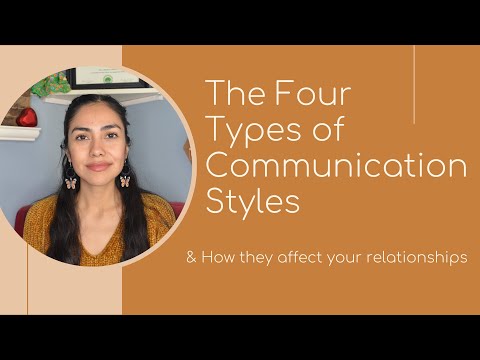
So, what are communication styles? They’re basically the ways in which individuals express their thoughts and feelings. Each style has its own quirks and tendencies, influenced by personality traits, culture, and even past experiences. Here’s a quick rundown of some common styles:
- Assertive: This style is all about expressing thoughts and feelings directly but respectfully. It’s like saying what’s on your mind while still considering the other person’s perspective. Think of a friend who can calmly say they don’t agree with your idea without making you feel bad.
- Aggressive: People using this style tend to dominate conversations, often disregarding others’ feelings. It’s the person who interrupts a lot or raises their voice to make a point—basically, they bulldoze over discussions.
- Passive: The folks who lean into this style often avoid expressing their needs or opinions. They might go along with what everyone else wants just to keep the peace. It’s like that friend who always agrees with whatever movie you suggest—even if they secretly wanted to see something else!
- Passive-Aggressive: This one’s kind of tricky! It involves expressing negative feelings indirectly instead of openly addressing them. Maybe you’ve had a colleague who smiles at you but then gives you the silent treatment when they’re upset about something.
Why does it matter? Well, knowing these styles helps you communicate more effectively in different situations. For example, if you’re dealing with an aggressive person during a heated discussion, understanding that they might just need to feel heard could help calm things down.
The same goes for assertive communicators! When you’re clear about your thoughts while also valuing someone else’s input, it often leads to healthier interactions.
Anecdote time! I once had a debate with a friend who had a really aggressive communication style. At first, it felt like we were in this verbal fistfight over opinions! But once I recognized how he wasn’t trying to be mean—he just got really passionate—it changed everything for me. I started engaging more assertively myself! Instead of being scared or shutting down, I started standing my ground without being confrontational.
Cultural influences also play into communication styles—what’s considered assertive in one culture might come off as rude in another. So being aware of these nuances can make conversations smoother across different backgrounds.
In summary, understanding various communication styles—not only your own but also those of others—can truly enhance your relationships and minimize misunderstandings. Whether it’s at work or hanging out with friends, recognizing these patterns makes life easier and way more enjoyable!
Understanding the Psychological Perspective of Communication: Insights and Implications
Communication is like the bridge connecting you to others, right? It’s how we share feelings, thoughts, and ideas. But here’s the kicker: not everyone communicates in the same way. The differences in communication styles can be deeply influenced by psychological perspectives. Let’s break this down a bit!
Psychological Perspectives on Communication
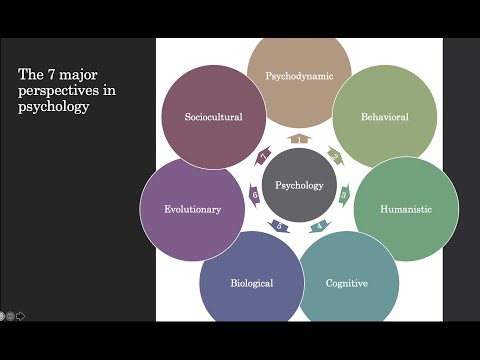
First off, let’s talk about **cognitive psychology**. This perspective looks at how our mental processes—like perception, memory, and problem-solving—affect how we communicate. For instance, if you remember a past conversation where someone misunderstood you, that might make you more cautious in future discussions. So your history shapes your approach.
Next up is **behaviorism**. This perspective suggests that communication behaviors are learned through reinforcement. If you’ve ever gotten a positive response when speaking assertively, you’re likely to keep using that style! Think of it as conditioning; if something feels good and gets results, you’re more likely to repeat it.
Another interesting angle comes from **humanistic psychology**. This one emphasizes personal experiences and feelings. You know how sometimes a heartfelt conversation just flows better? That’s because humanistic approaches suggest that when people feel safe and accepted, they communicate more openly. It’s all about connection!
And there’s also the **social constructivist viewpoint** which highlights culture’s role in shaping our communication styles. For example, in some cultures, indirect communication is preferred as a way to maintain harmony. If you’re used to being direct and suddenly find yourself in such an environment, it’s like hitting a wall! Recognizing these cultural nuances can be crucial for effective interaction.
Implications for Everyday Communication
So what does all this mean for everyday life? Well:
- Awareness: Understanding your own style helps improve interactions.
- Adaptability: Being flexible with communication methods can enhance relationships.
- Empathy: Recognizing where someone else is coming from allows for deeper connections.
Think about a time when you had a misunderstanding with a friend or colleague. Maybe their tone sounded harsh to you because your background made you sensitive to certain cues—like sarcasm or criticism—while they meant no harm at all! This kind of insight into different communication styles can really help smooth over those bumps.
In essence, what we say is only part of the story; how we think influences everything too! Communication isn’t just about exchanging words; it involves emotions and context as well.
Understanding these psychological perspectives gives us tools to navigate conversations more mindfully—and enhances our ability to connect with others meaningfully! So next time you’re chatting with someone, consider not just what they’re saying but also how they’re communicating it—and why that might be the case!
Mastering Effective Communication: Exploring the 5 C’s for Clarity, Conciseness, and Confidence
Communication is key in almost every part of our lives, whether it’s chatting with friends, working on projects, or even just expressing ourselves. If you’ve ever felt misunderstood or had a hard time getting your point across, you’re not alone. So let’s talk about how mastering effective communication can help you out, specifically focusing on the 5 C’s: Clarity, Conciseness, Confidence, Courtesy, and Completeness.
Clarity is the first of the 5 C’s. It’s all about being clear in what you want to say. Imagine you’re trying to explain a movie plot to a friend. If you mumble and throw in random details that don’t really matter, they’ll be lost within seconds! Instead, try breaking it down into simple parts: who the characters are and what the main conflict is. Clear communication reduces confusion and helps everyone stay on the same page.
Conciseness means saying what you need without rambling. You know those conversations where someone goes off on a tangent? It can be frustrating when all you want is a straight answer! So, practice getting to the point quickly. For instance, if your boss asks for a project update, instead of sharing every tiny detail, just focus on key milestones and any roadblocks—boom! That’s concise.
Now onto Confidence. This one’s crucial because how you say something can often matter just as much as what you’re saying. If you’re unsure or hesitant while speaking, others might doubt your message too. Think of it like this: when giving a presentation at school or work, standing tall and making eye contact shows that you believe in what you’re saying—people are more likely to listen!
Next up is Courtesy. Being polite goes a long way in communication. It’s not just about using «please» and «thank you;» it’s also about respecting others’ opinions even if they differ from yours. Let’s say you’re in a heated debate with someone about which is better—coffee or tea (classic!). Instead of just shouting your preference, acknowledging their viewpoint makes for a healthier conversation.
Lastly comes Completeness. This means providing enough information so that someone doesn’t have to guess what you’re talking about. A quick text saying “Let’s meet” isn’t helpful unless you include details like time and place! When communicating something important—like changes at work—make sure to cover all necessary points so everyone understands what’s going on.
So yeah! Mastering these 5 C’s can drastically improve how we connect with others—whether it’s friends discussing weekend plans or colleagues brainstorming ideas for that big project at work! It makes conversations smoother and relationships stronger because people feel heard and understood. Keep these principles in mind next time you’re chatting; they’ll definitely make life easier!
You know, communication is one of those things we all do daily, yet it can be super complicated. It’s like playing a game without knowing all the rules. I mean, think about your last conversation with a friend. Did you both get each other? Or was there a bit of confusion that left one of you feeling misunderstood?
There are so many different ways people interact, and part of what shapes those styles comes from psychology. Seriously, it’s fascinating stuff. Some folks are really direct and get right to the point. Others might be more indirect, maybe using hints or storytelling to convey their message. It’s like being on two different wavelengths, isn’t it?
I remember chatting with this friend who always seemed to dance around topics instead of just saying what was on their mind. At first, I found it frustrating! But then I realized they were just trying to soften the blow or make things feel less confrontational. That got me thinking about how our backgrounds—like culture and family—play into how we express ourselves.
There’s this concept called “communication style,” which basically refers to how someone chooses to convey their thoughts and feelings. You’ve got assertive communicators who lay everything out there confidently and clearly. Then there are passive communicators who tend to avoid confrontation, which can make conversations a little tricky at times because you’re left guessing what they really feel.
And then lash back over to aggressive communicators—ahh! They can dominate conversations without realizing the impact they have on others’ feelings. These styles aren’t bad or good; they’re just different ways people prefer connecting with others.
Social psychologists have looked at how personality traits affect these styles too! You might hear terms like introversion or extroversion pop up in discussions about communication. An introvert might take time before speaking up in a group setting, while an extrovert thrives in that environment and is often quick to share ideas.
Of course, there’s no one-size-fits-all approach when it comes to communication styles; everyone has their unique flavor based on life experiences and personality traits! And let’s face it: Misunderstandings can lead to conflicts or hurt feelings if we don’t take the time to learn about each other’s styles.
So next time you’re talking with someone new—or even someone you know well—it might be worth considering where they’re coming from in terms of their communication style. Being mindful could help bridge gaps that pop up unexpectedly! It’s kinda cool when you think about it: figuring out how best to connect with others really makes all the difference in building those relationships that matter most!