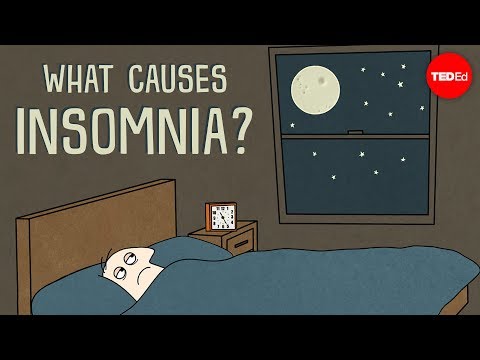
You ever find yourself tossing and turning at night, staring at the ceiling? Yeah, we’ve all been there. It’s like your brain decides it’s the perfect time to replay that awkward moment from high school.
Sleep struggles can be more than just not being tired. Sometimes, there are hidden psychological barriers at play. You know, those thoughts that sneak in and keep you wide awake?
Let’s chat about what’s really going on when you can’t catch those Zs. Because honestly, understanding why is half the battle!
Understanding Trazodone: Reasons It May Not Improve Your Sleep Quality
Understanding trazodone can feel a bit tricky, especially when you’re dealing with sleep struggles. So, let’s break it down. Trazodone is often used as an antidepressant but has made its way into the world of sleep aids. The idea is, hey, it helps you feel sleepy and get some shut-eye. But what if it’s not doing the trick for you? Here are some reasons why that might happen.
1. Individual Differences: Everyone’s body reacts differently to medications. What works wonders for one person might just fizzle out for another. It could be your unique chemistry that doesn’t vibe with trazodone.
2. Dosage Matters: Sometimes, it’s a matter of dosage. If the dose isn’t high enough to have an effect on your system, you won’t see any improvement in your sleep quality. That said, it’s always best to talk to a doctor before making any changes here.
3. Sleep Architecture Disturbance: Trazodone affects your brain’s neurotransmitters which play a role in sleep cycles. Some people find that while they fall asleep faster, their overall sleep architecture—like how much deep sleep they get—might be messed up.
4. Underlying Issues: If there are psychological barriers affecting your sleep quality, such as anxiety or stress, trazodone alone may not be enough to tackle those issues. If your mind is racing or you’re feeling tense, even with meds, restful nights can still seem far away.
5. Timing of Dose: When you take trazodone can also influence its effectiveness. Some folks benefit from taking it right before bed while others might need to adjust the timing based on their specific situation.
6. Interaction with Other Medications: If you’re taking other meds, they might interact with trazodone in ways that reduce its effectiveness for helping you sleep well.
Have you ever felt like no matter what you’ve tried, sleep just won’t come? It’s frustrating! Like once I stayed up tossing and turning; I was exhausted but couldn’t fall asleep because my mind wouldn’t chill out about work stuff happening the next day.
In short, if you’re finding that trazodone isn’t improving your sleep quality like you’d hoped for or expected it too, don’t beat yourself up over it! There are many reasons behind this experience—you’re clearly not alone in this battle against sleepless nights! Talking about these issues with a healthcare professional can help figure out the right approach tailored specifically for you and help address those pesky psychological barriers holding back your restfulness!
Understanding the 10-5-3-2-1 Rule: A Comprehensive Guide to Better Sleep Hygiene
Alright, let’s talk about the 10-5-3-2-1 Rule, which is a really useful approach for better sleep hygiene. It’s all about setting up a routine that helps your body and mind chill out before hitting the sack. The thing is, stress and anxiety can seriously mess with your sleep. Sometimes our brains just won’t turn off. This method gives you a clear structure to follow, making it easier to nod off at night.
So here’s how it breaks down:
- 10 hours before bed: Cut out any caffeine. Seriously, no more coffee or energy drinks!
- 5 hours before bed: Time to stop eating. Your digestive system needs a break too, and heavy meals can keep you tossing and turning.
- 3 hours before bed: Stop drinking any liquids. Avoiding that late-night bathroom dash makes sense, right?
- 2 hours before bed: No more screen time! Put away your phone or tablet. The blue light can really mess with your melatonin levels.
- 1 hour before bed: Start winding down with relaxing activities. Think of this as your personal “me time.” Read a book, meditate, or take a warm bath.
This rule is like creating a fortress for your sleep! Each step helps break down those barriers that might be keeping you awake. When I first tried it, I noticed my brain was less chaotic at night—I could actually relax instead of lying there worrying about tomorrow.
The 10-5-3-2-1 Rule isn’t just about following these steps blindly; it’s about understanding why each one helps! For example, avoiding caffeine ten hours prior means less chance of that jittery feeling when you try to sleep. Then skipping late-night snacks lets your body focus on rest rather than digestion.
If you’re someone who loves scrolling through social media at night (guilty!), remember what happens when those screens are put away: It gets easier to let go of the day’s stressors and ease into sleep mode.
The bottom line here? You gotta create an environment conducive to snoozing well! Following the 10-5-3-2-1 Rule, in theory, can help you develop better habits—but it takes practice! Just because I mentioned these guidelines doesn’t mean you’ll see results overnight (pun intended!). Like anything else worth doing, consistency plays a massive role in helping us get better shut-eye.
Your journey towards better sleep might feel tough at first but give it time and patience—a bit like training for an event—but in this case, it’s training for some well-deserved Zs!
Understanding the Causes and Solutions for Waking Up at 2 AM and Inability to Return to Sleep
Waking up at 2 AM and not being able to get back to sleep can feel like a real drag, right? Like, you just can’t catch a break. You’re tossing and turning, and before you know it, it’s 3:30 AM, and you’re staring at the ceiling. So what’s going on here? Let’s break it down.
First off, there are a bunch of reasons why this might happen. Stress is a big one. If your mind is racing with thoughts about work or personal issues, just try to relax! It’s no wonder you can’t doze off again. Life can throw some heavy stuff at us, and when you’re trying to sleep, those worries feel magnified. Here’s the thing: sometimes our brain just doesn’t want to shut off.
Another cause could be your lifestyle choices. You know how that afternoon coffee or that late-night snack hits different? It totally can mess with your sleep cycle. Caffeine has this sneaky way of sticking around in your system longer than you’d think. And let’s talk about screens; scrolling through social media or binge-watching shows too close to bedtime can also keep you wide awake when you should be counting sheep!
Your sleeping environment plays a huge part too. Is it too hot? Too cold? Maybe noisy? A cluttered space can even become a distraction. You want your bedroom to be like a cozy haven where falling asleep feels easy-peasy!
If this is happening frequently—like multiple nights a week—it might be more than just stress or bad habits; there’s also the possibility of sleep disorders. Issues like insomnia or sleep apnea could be lurking beneath the surface and need checking out by someone who knows their stuff in this area.
Now let’s talk solutions. One way to tackle this situation is by establishing a wind-down routine. Seriously, make it like an unbreakable appointment with yourself! This could mean reading a book for pleasure—nothing too intense!—or practicing deep breathing exercises before bed. Just disconnect from technology for at least half an hour before trying to sleep again.
If you wake up at 2 AM and find yourself wide awake, instead of stressing about it, get out of bed! Go do something relaxing until you feel sleepy again. Maybe grab some herbal tea? Just avoid turning on bright lights because that confusion between night and day will keep those z’s far away from you!
Your progress might take time though; getting back into healthy sleep habits won’t happen overnight (pun intended!). Stay patient with yourself as you figure out what works best for your own routine.
If all else fails after trying some adjustments on your own and logging some serious sleepless hours, consider reaching out for help. Sometimes getting insights from someone who’s trained in understanding these issues can make all the difference in finding peace during those long nights.
So there it is: waking up at 2 AM doesn’t have to keep ruling your nights! By understanding what causes these wake-ups and taking steps toward better habits, restful nights are totally within reach!
You know how sometimes, after a long day, all you want is to crawl into bed and drift off? But then, instead of sweet dreams, your mind starts racing. That can be super frustrating! Sleep struggles are often tied to a whole mix of psychological barriers that keep us tossing and turning.
I remember this time when I had a big presentation coming up. All day, I was confident and ready, but as soon as my head hit the pillow, my brain kicked into overdrive. I kept thinking about every little detail—what if I forgot something? What if I stumbled over my words? The more I worried, the less sleep I got. It was like my brain had a mind of its own that night!
So what gives? Well, stress and anxiety are huge players in this game. When you’re anxious or stressed about something—work, relationships, or even just life in general—it can totally hijack your ability to relax. Stress hormones ramp up your heart rate and keep you alert when all you want is to snooze.
Then there’s rumination. It’s that annoying habit of replaying past events in your head over and over again. You know those moments when you think of something embarrassing you did ages ago or worry about something that hasn’t even happened yet? That mental chatter can block out any chance of drifting off peacefully.
And let’s not forget good ol’ perfectionism! Trying to be perfect can keep you on edge at night too. You might lie there thinking about how tomorrow needs to go flawlessly instead of just letting yourself rest.
Another factor can be our environment—if your room feels chaotic or noisy, it’s hard to relax no matter how tired you are! Seriously, one little sound can be enough to pull your focus right back into the chaos outside.
In short, those barriers like stress, rumination, perfectionism, and an unsettling environment make it tough for so many people to enjoy restful nights. If only we could shut our brains off with a switch!
To tackle this thing is really about becoming aware of what’s keeping us awake—that way we can figure out how to address it effectively! It’s kind of like learning to dance with your thoughts instead of letting them lead you around the room chaotically!
Finding some strategies that work for you might help ease these struggles—and who doesn’t want better sleep? Because at the end of the day (or night!), feeling rested makes such a big difference in how we handle life.