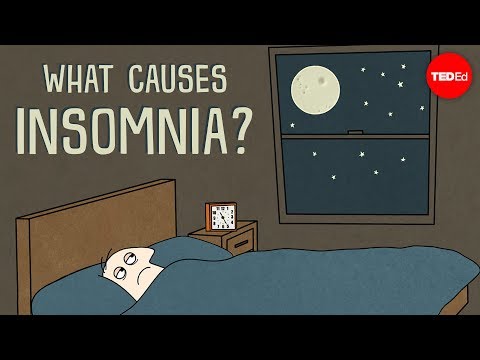
You know those nights when you just can’t fall asleep? You lay there, staring at the ceiling, and your mind just won’t shut off. It’s like a hamster on a wheel, going round and round.
Well, that’s a pretty common thing. Seriously, so many people struggle with sleep. But it’s not just about being tired—it’s about what goes on in your head when you try to rest.
Your thoughts can mess with your sleep more than you might think. Ever had that moment when you replay a cringy moment from years ago? Yeah, me too. It pops up right when you’re trying to drift into dreamland.
Let’s chat about those pesky cognitive barriers that keep us tossing and turning at night. They’re sneaky, but we can figure them out together!
Understanding the 10-5-3-2-1 Rule for Better Sleep: A Comprehensive Guide
Getting a good night’s sleep can feel like an uphill battle sometimes, right? You’ve probably heard a bit about the 10-5-3-2-1 Rule for better sleep. It’s a simple way to help your body wind down before bed, and honestly, it’s all about setting some boundaries for yourself during the day. Let’s break it down.
So the rule goes like this:
- 10 hours before bed: No caffeine.
- 5 hours before bed: No alcohol.
- 3 hours before bed: No heavy meals.
- 2 hours before bed: No work or stressful activities.
- 1 hour before bed: No screens.
You see? Each piece focuses on eliminating things that could mess with your sleep. It’s like building a fortress around your rest time!
The first part, no caffeine 10 hours prior, is huge! Caffeine is sneaky; it can stay in your system much longer than you think. Just imagine sipping on coffee in the afternoon and then tossing and turning when bedtime arrives. No thanks!
Then there’s alcohol. A lot of folks think it helps them fall asleep faster, but really, it can mess with your sleep cycles later in the night. You might wake up feeling like you’ve had zero rest, which kinda defeats the purpose of winding down.
Avoiding heavy meals 3 hours before hitting the sack also plays a role. Imagine eating a big dinner and trying to lay still while your stomach feels like it’s working overtime—no fun at all! Light snacks are okay though if you’re super hungry.
No work or stressful stuff 2 hours prior? That might be the toughest one! But give yourself that space to chill out so your mind isn’t racing when you finally want to fall asleep. Think about something relaxing instead—like reading or listening to soothing music!
The final bit is all about screens—no phones or tablets an hour before bedtime. Blue light from screens seriously messes with melatonin production—the hormone that makes you sleepy. So swapping Netflix for a good book can do wonders.
If we think about barriers to getting quality shut-eye, cognitive processes come into play here too. Sometimes worries or overthinking just pile up when we’re trying to relax, right? Setting this rule means you create a clear separation between busy day vibes and restful night ones.
Your brain needs cues that it’s time to power down. Following this rule helps send those signals loud and clear! Less caffeine means lower anxiety levels—and less worry about tossing around thinking about tomorrow’s tasks because you’ve already set limits on work-related stuff too!
This guideline isn’t just some arbitrary checklist—it’s kind of like crafting your own bedtime ritual that helps signal to both your body and mind that hey, it’s time for rest now!
If you give this whole thing a shot for a week or two, just see if any changes pop up in how well you’re sleeping! Getting familiar with what works specifically for you can really boost those Z’s throughout the night!
Understanding the Impact of Sleep Deprivation on Cognitive Function: Legal Implications and Considerations
Sleep deprivation is a real struggle for many people, right? It’s not just about feeling tired; it can actually mess with your brain in some pretty serious ways. You might think you can power through it, but lack of sleep leads to cognitive barriers that can affect judgment, decision-making, and memory. Let’s break it down a bit.
Cognitive Effects of Sleep Deprivation
When you’re short on sleep, your brain’s performance dips. Here are a few things that can happen:
- Impaired Attention: It becomes tough to focus or concentrate on tasks. Remember that time you tried reading something but couldn’t keep your mind from wandering? Yeah, that’s the sleep deprivation talking.
- Memory Issues: Ever find yourself forgetting where you left your keys? Sleep helps consolidate memories, and without it, those memories can get jumbled or lost.
- Poor Decision-Making: You might make snap judgments or poor choices when you’re running on empty. Think about how risky decisions could impact legal situations—like driving or operating machinery.
So, the thing is, when your cognitive functions are impacted by lack of sleep, it can have some serious legal implications.
Legal Implications
Imagine a scenario where someone gets into an accident after staying up all night studying or working. If they’re found to be at fault, their lack of sleep could be used as part of the argument in court. Here’s how:
- Negligence Claims: If someone harms another person while impaired due to fatigue, they may be held legally responsible for their actions.
- Diminished Capacity: Certain legal defenses might argue that a person’s mental state was compromised due to inadequate rest during critical decision-making times.
Now think about professions like aviation or healthcare. A pilot or doctor who hasn’t slept properly could cause harm—not just to themselves but also to others. There are regulations regarding work hours and rest periods for these types of jobs because people understand the risks involved.
Cognitive Barriers to Rest
So why do so many people struggle with getting enough z’s? Well:
- Anxiety and Stress: When you’re stressed out or anxious (hello exam season!), it’s hard to switch off your brain at night.
- Poor Sleep Hygiene: This includes things like using screens right before bed or drinking caffeine too late in the day.
The reality is that understanding these barriers is crucial—not only for personal health but also for preventing negative outcomes in situations with legal stakes.
In short, sleep deprivation isn’t just about feeling irritable or foggy—it has real effects on how well we think and make decisions. And those effects? Well, they can carry significant weight in various settings—from personal lives straight into the courtroom. So next time you think about sacrificing sleep for something last-minute? Just remember how much your mind relies on those precious hours of rest!
“Understanding Sleep Disturbances: Legal Rights and Resources for Better Rest”
Sleep disturbances can feel like a heavy cloud hanging over your day. You know the struggle of tossing and turning at night, feeling like you just can’t find that sweet spot of rest. It’s not just annoying; it can really mess with your mood, focus, and overall health. Let’s break this down a bit.
First off, **understanding sleep disturbances** is key. These can range from insomnia—where you have trouble falling or staying asleep—to sleep apnea, where your breathing gets interrupted in the night. And let’s be real: when you’re exhausted, everything can feel harder. You might feel cranky or unfocused during the day.
Now, here’s where it gets interesting: cognitive barriers often play a big role in sleep difficulties. Think about how stress or anxiety can keep your brain buzzing even when you’re trying to drift off. Your mind might race with worries about work, relationships, or even that weird thing you said five years ago! This mental chatter can prevent you from relaxing enough to actually fall asleep.
But what if those sleep issues are affecting your life significantly? Well, there’s some good news! **Legal rights and resources** are available to help you get better rest. For instance:
- Workplace accommodations: If you’re struggling with sleep due to a medical condition, you may have the right to request changes at work—like flexible hours or adjusted duties.
- Health care access: Many places have laws ensuring access to healthcare for mental health issues that contribute to sleep problems.
- Disability benefits: Severe sleep disorders could qualify for disability support in some cases if they significantly impair your daily functioning.
Finding these resources might take some digging but don’t lose hope! Local community centers often provide information on support groups or workshops focused on improving sleep hygiene—basically just tips on how to get better quality rest.
By prioritizing **self-care**, like developing a consistent bedtime routine or creating a relaxing environment before bed (like putting away screens), you can tackle those cognitive barriers head-on. Think about it: what small changes could make a big difference? Maybe dimming the lights an hour before bed or journaling your thoughts?
The journey toward better rest isn’t easy and might involve trial and error. It’s totally normal to need some time finding what works best for you. And if legal rights come into play because of these disturbances? Don’t hesitate to reach out for assistance or advice; it can be empowering!
So remember: understanding what’s messing with your shut-eye is the first step toward taking control and finding those restful nights again!
You know, when you think about sleep, it should be a pretty chill time, right? But for a lot of us, it’s anything but that. I remember once lying in bed, staring at the ceiling, feeling like my mind was racing at 100 miles an hour while my body just wanted to sleep. It’s like there’s this invisible wall keeping you from drifting off. That’s what we call cognitive barriers to rest.
So, what are these cognitive barriers? Well, they’re basically those pesky thoughts and mental patterns that jump in and mess things up when all you want is some peace. For example, you might be lying there thinking about tomorrow’s meetings or that embarrassing thing you said last week. And suddenly, instead of counting sheep, you’re mentally reliving every awkward moment of your life! That kind of rumination can seriously derail your chances of getting good sleep.
Sometimes it’s also this fear of not getting enough sleep that can keep you awake longer. You start worrying about how tired you’ll feel the next day or how you’ll function at work or school. It’s like this cycle: the more anxious you feel about sleeping, the harder it becomes to actually fall asleep. Like being trapped in a weird loop where your brain won’t let go.
Cognitive distortions play a role too—like when everything feels way more overwhelming than it really is. You know that kind of black-and-white thinking where if you don’t get eight hours of sleep, the next day is going to be a total disaster? That one thought can spiral into full-on panic mode!
And then there are those times when our brains are just overactive from the day—so much information to process! Maybe you had a busy day with work and social stuff on top of everything else. Your mind is still buzzing with all those thoughts and feelings as you’re trying to wind down. Sometimes finding a way to quiet all that noise feels impossible.
And hey, what about technology? Scrolling through social media just before bed can throw another wrench in our sleep plans. Ever catch yourself deep into a TikTok scroll at 1 AM? The blue light from screens messes with our natural sleep hormones too!
So yeah, cognitive barriers are real roadblocks when it comes to getting enough Zs. They create this complicated web that makes falling asleep feel like an impossible task sometimes. Recognizing these barriers is key because awareness is step one toward finding ways to break free from them—you’ve got to get outta your head even for just a moment if you want that rest!
Getting rest shouldn’t be such an uphill battle; it’s supposed to rejuvenate us! Figuring out how to manage those nightly thoughts could really make a difference in not just how well we sleep but also how we handle our waking lives! It’s challenging but definitely worth exploring so we can take back our nights!