You know that moment when you click with someone? Like, you just get each other? Well, a lot of times, it’s about personality.
Ever heard of DISC? It’s this cool framework that breaks down how people think and behave. Seriously, it’s like a cheat sheet for understanding why we do what we do.
There are four main types in DISC. Each one has its own vibe. And once you start to get them, bam! It’s like seeing the world through a whole new lens.
So, if you’re curious about why your buddy is always super decisive while you’re more laid-back and chill, stick around. We’re gonna dig into these personality types and see what makes each one tick. Cool? Let’s jump in!
Mastering the DISC Personality Test: A Comprehensive Guide to Interpretation and Application
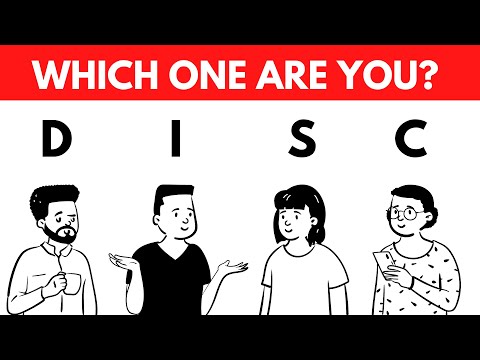
Well, the DISC Personality Test is like this cool little tool that helps you understand different personality types. It’s all about figuring out how people behave and communicate. Basically, it breaks down personalities into four main types: Dominance, Influence, Steadiness, and Conscientiousness—hence the name «DISC.»
Dominance types are kind of your go-getters. They’re assertive and love challenges. Think of someone who thrives on competition and likes to take charge in social situations. You might see them leading a project at work or being the first to jump into a debate.
Then there’s Influence. These folks are super social and love connecting with others. They’re usually pretty optimistic and persuasive—like that friend who can convince you to go out even when you just want to binge-watch your favorite show at home. They’re all about relationships!
Next up is Steadiness. This type values harmony and teamwork above all else. They’re reliable and patient, often acting as peacemakers in group settings. Imagine someone who always listens to everyone’s opinions before making a decision.
Finally, we have Conscientiousness. Detail-oriented and analytical, these people think things through carefully. They’re like your meticulous friend who always checks if everything is in order before heading out on a trip.
Each of these types has its strengths and weaknesses, which is essential when considering how they fit into different environments—be it work or personal life.
Now let’s get into why knowing your own DISC type can be super beneficial:
- Improved communication: Understanding your personality type helps you communicate better with others. For example, if you know you’re an Influencer talking to a Dominant type, you’ll want to be clearer and more direct.
- Team dynamics: In team settings, knowing everybody’s DISC type can help balance tasks according to strengths. If you’re working on a project, pairing Dominance with Steadiness can create an effective combo where assertive leadership meets steady support.
- Personal growth: When you recognize your personality traits, it opens up opportunities for self-improvement. If you tend toward Conscientiousness but struggle with spontaneity, knowing this can encourage you to step outside your comfort zone sometimes.
Interpreting the test results isn’t just about putting yourself in one box; it’s also about blending traits from different types because we all have bits of each—kind of like mixing colors on a palette!
So yeah! To truly master the DISC Personality Test, it’s more than just taking the quiz; it’s about applying what you learn in everyday life! You’ll find that understanding these personality types can make interactions smoother whether you’re at work or hanging out with friends!
Comprehensive Guide to DISC Personality Types in Psychology: Free PDF Resource
The DISC personality model is a pretty neat way to understand how people behave and communicate. It’s all about categorizing personalities into four main types: Dominance, Influence, Steadiness, and Conscientiousness. Each type has unique traits and tendencies that can help you figure out not just how you relate to others, but also why people around you act the way they do.
Dominance (D) is all about control and results. Folks with this personality type are usually assertive, competitive, and direct. They love challenges and won’t shy away from taking risks. Imagine someone charging into a meeting with a plan in mind and the confidence to back it up. That’s someone in the D category.
Then there’s Influence (I). These are the social butterflies of the group! They’re charismatic, enthusiastic, and really good at connecting with others. If you’ve got an I-type in your circle, they’re probably the life of the party—always sharing stories and jokes. They’re great at persuading others because they focus on relationships first.
Next up is Steadiness (S). S-types are calm, patient, and supportive. Think about that friend who always listens but rarely interrupts or the team member who makes sure everyone feels heard during discussions. They value harmony and tend to dislike conflict. This makes them awesome team players.
Finally, we’ve got Conscientiousness (C). C-types are detail-oriented, analytical, and systematic. They’re like those friends who love spreadsheets or meticulously plan every aspect of a project down to the last detail. They crave structure and accuracy while often weighing options before making decisions.
So why should you care? Understanding these types can totally change how you view your interactions with others! For example, if you’re a D-type negotiating with an S-type friend over where to eat dinner—knowing their calm nature probably means approaching them gently might be more effective than just bulldozing through your plans.
Using DISC tools can even improve organizational dynamics! You could analyze team behaviors or enhance communication strategies based on these types so everyone gets along better—pretty powerful stuff if you ask me!
But if you’re looking for charts or deeper dives into everything DISC-related—a comprehensive PDF resource could be your best bet. Just think of it as having a handy reference guide on personality types right at your fingertips!
In short: knowing about these personality traits isn’t just fun trivia; it can seriously help in understanding yourself and strengthening relationships with those around you too!
Understanding the DISC Personality Test: Key Insights for Personal and Professional Development
The DISC Personality Test is a fascinating tool that helps us understand ourselves and others better. It’s based on four key personality types: Dominance, Influence, Steadiness, and Conscientiousness. Each type has its own unique traits and ways of interacting with the world.
When you take the DISC assessment, you get a clearer picture of your strengths and weaknesses. This isn’t just for fun; it can seriously help you in both personal and professional settings. Like, let’s say you’re more of a “D” type. You might be assertive and results-oriented, which can be great for leadership roles but maybe not so great when it comes to patience in teamwork.
Here’s a quick breakdown of each type:
- Dominance (D): These individuals are strong-willed, competitive, and love challenges. They want results fast! Think of someone who takes charge during group projects.
- Influence (I): People with this type are usually very social, enthusiastic, and persuasive. They thrive on interactions! You know that friend who always has a huge circle? That’s probably an “I”.
- Steadiness (S): They are calm, patient, and loyal individuals who prioritize stability. Imagine someone who always listens before speaking—that’s your “S”.
- Conscientiousness (C): Detail-oriented and analytical folks fit here. They value precision and quality! Think about that one person who double-checks every detail before sending an email.
Understanding these types isn’t just about fitting people into boxes—it’s about communication styles too! For example, if you’re working with someone who’s high “D”, they might want quick decisions while your “S” side prefers to discuss things over coffee first.
Let’s talk about how this affects relationships too—both personal and professional. If you’re aware that your partner is naturally more cautious (like an “S”), you might go easy on them when suggesting spontaneous plans. And at work? Knowing team dynamics can help prevent misunderstandings or conflicts.
Now, imagine you’re in a meeting where everyone’s throwing out ideas like they’re confetti. The “I” folks will be shining bright with their creative thoughts but may need help grounding those ideas back to reality—a little nudge from the “C” types would go a long way!
Using the DISC test can also influence your career path: If you’re a natural «D», roles in leadership or sales could really fit you well since they require decisiveness and drive. Meanwhile, if you’re leaning more towards «C», fields like data analysis or research might feel like home because of their structured environment.
In conclusion, understanding the DISC Personality Test gives incredible insights into how we interact with each other. Whether it’s boosting team dynamics at work or enhancing relationships in life, recognizing these styles can truly lead to better communication—don’t underestimate it! What really matters is using this knowledge to build stronger connections moving forward!
So, let’s chat about those DISC personality types, shall we? I mean, you’ve probably heard of them, right? They’re kinda like personality labels that help you figure out how people tick. It’s a neat little tool to understand who you are and how you interact with others.
The DISC model breaks personality traits down into four main styles: Dominance, Influence, Steadiness, and Conscientiousness. Each one has its own vibe and way of handling life. Like, if you’re a Dominance type, you might be the go-getter in the group—the one who’s all about results and tackling challenges head-on. You know those people who seem to thrive on competition? Yeah, that’s them!
Then there’s the Influence type. These folks are your natural-born social butterflies. They light up a room with their energy and charm, making friends effortlessly. They’re great at motivating others but can sometimes get a bit too carried away with their ideas.
On the other hand, you have Steadiness types. These people are often the calm in the storm. They value harmony and stability, so they tend to be supportive listeners—kind of like that friend who’s always there when you need to vent without judging you.
Last but not least is Conscientiousness. These individuals are detail-oriented perfectionists who thrive on structure and organization—think of them as the planners who create spreadsheets for even the simplest of tasks!
I remember this time when I was working on a group project in college. We had all four personality types represented in our team! It was wild trying to figure out how to communicate effectively since everyone had their own style. The Dominance type just wanted us to rush through everything; meanwhile, the Steadiness person wanted to make sure everybody was comfortable with our approach first! In the end, we found a balance by recognizing each other’s strengths—it made working together not only effective but also enjoyable.
Anyway, understanding these types is more than just labels; it’s like having a cheat sheet for navigating interactions with different personalities in your life—be it at work or personal relationships. You start seeing patterns in behavior; oh wait! Her Reactiveness means she might be more sensitive when giving feedback because she’s influenced by her environment.
So yeah, knowing about DISC can help improve communication and reduce misunderstandings along the way! It’s fascinating how understanding ourselves and others can really transform our connections!