Hey! So, you know how we’re all a bit quirky in our own ways? Seriously, everyone’s got their own vibe that shapes how they see the world and interact with people.
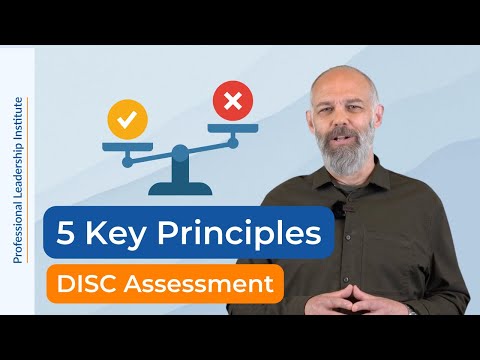
That’s where the DISC Assessment comes in. It’s like a fun little tool that helps you figure out your personality style. You’ve got dominance, influence, steadiness, and conscientiousness—all mixing together to create what makes you… well, you!
Imagine getting some cool insights about why you react the way you do in different situations. Pretty neat, right? It can totally help with everything from work relationships to personal connections.
Understanding the DISC Personality Test: Insights for Personal and Professional Development
The DISC Personality Test is all about breaking down how we behave and interact with others. Basically, it categorizes people into four main personality types: Dominance, Influence, Steadiness, and Conscientiousness. Understanding these can really help you navigate your personal and professional life better.
Dominance individuals tend to be assertive and competitive. They like to take charge of situations and often focus on results. Someone who scores high in this area might be the type who gets stuff done quickly but may overlook details or teamwork in the process.
Influence types are all about connection. They’re social butterflies who thrive on interaction and building relationships. If you know someone who lights up a room or can charm their way through any situation, they’re likely high on the Influence scale. But sometimes they might struggle with follow-through because they get so caught up in the excitement of socializing.
Then there’s Steadiness. These folks are the reliable ones, offering support to others while staying calm in stressful situations. They’re great team players! However, their desire for harmony might make them hesitant to voice disagreements or take risks that could disrupt peace.
Finally, we have Conscientiousness. This category is all about attention to detail and thorough analysis. People with high scores here love working methodically and ensuring everything is just right. On the downside, too much focus on details can lead to analysis paralysis—when they overthink things instead of making decisions.
Understanding where you fit in this spectrum can give you some serious insight into why you act a certain way or why you clash with other personalities sometimes. You know how it feels when communication with someone feels off? Well, it could be because your personality styles differ!
When it comes to using DISC for personal development, knowing your type helps you play to your strengths while also recognizing weaknesses that need work. And if you’re part of a team at work, being aware of each other’s DISC profiles can totally change how everyone interacts—like taking a group selfie where everybody’s smiling instead of looking confused!
In summary, understanding the DISC Personality Test isn’t just about putting people in boxes; it’s more like giving everyone tools for better interaction and growth both personally and professionally! It’s pretty cool how knowing these dynamics can make you more aware of not just yourself but also those around you!
Download Your Free DISC Assessment PDF: Unlock Insights Into Your Personality and Communication Style
The DISC assessment is a tool that helps you understand your personality and communication styles. It’s based on four main personality traits: Dominance, Influence, Steadiness, and Conscientiousness. Each of these traits gives you insights into how you behave and interact with others.
Dominance is about how you handle problems and challenges. If you score high on this trait, you’re probably more competitive and assertive. You like to take charge, right? Maybe remember that time in a group project when you stepped up to lead? That’s classic Dominance behavior.
Next up is Influence. This trait relates to how you connect with others. High scorers tend to be social, energetic, and persuasive. You know those friends who can light up a room just by walking in? That’s the Influence vibe.
Then there’s Steadiness. This aspect deals with your approach to teamwork and communication styles. People with strong Steadiness traits typically value harmony and support. Think of someone who always checks in on how everyone’s feeling during a team meeting—that’s them bringing that steady energy!
Finally, we have Conscientiousness, which showcases your attention to detail and organization. If you’re someone who plans things meticulously or likes to follow rules closely, you’ve got high scores here. Remember when you were the only one who brought notes for the group study? That’s classic Conscientiousness speaking.
When you download a free DISC assessment PDF, you’re basically getting a chance to reflect on these traits in your own life. You complete a series of questions, which then offer insights based on your answers about your personality dynamics.
So why does this matter? Well, understanding yourself can help improve communication with others—be it at work or home! When you’re aware of your style and the styles of those around you, it can really help avoid misunderstandings or conflicts.
To break it down even more:
- Identify Your Strengths: Knowing if you’re great at teamwork or leading can help you pick the right projects.
- Improve Relationships: Understanding how others communicate helps navigate conversations more smoothly.
- Enhance Teamwork: Recognizing different styles encourages collaboration rather than competition.
So downloading that PDF isn’t just getting some fancy paper—it’s about gaining deeper self-awareness! It can guide personal growth too; once you’ve identified where you stand across these traits, you’ve got a clearer picture of how to develop further as an individual or teammate.
Unlock Your Personality: Free Online DISC Assessment Insights into Behavioral Dynamics
The DISC assessment is pretty popular. It’s a personality assessment that categorizes people into four main behavior types: Dominance, Influence, Steadiness, and Conscientiousness. Each of these types has its traits and tendencies. So what does this mean for you? Well, understanding your DISC profile can give you serious insight into how you behave in different situations.
Dominance folks are often assertive and direct. They’re the type to take charge in a group setting and love challenges. If you’ve ever been in a brainstorming session where one person keeps pushing ideas with enthusiasm, that’s likely a high D personality.
On the flip side, Influence types are all about relationships. They thrive on social interactions and try to persuade others with their charm. Have you ever met someone who can light up a room just by walking in? Yep, that’s typically an I type.
Then you’ve got Steadiness. These individuals value stability and harmony. They’re the ones who keep everyone grounded during chaotic times. Imagine someone who’s always there to support you during stressful moments—that’s likely an S personality.
Last but not least is Conscientiousness. C types are detail-oriented and love structure. They tend to be analytical thinkers who double-check their work before moving forward. Think about that meticulous friend who’s always organized—they probably fit into this category well.
By taking a free online DISC assessment, you’re basically getting a mirror held up to your behavioral dynamics. You’ll see how you might react under stress or how you communicate with others. Knowing your dominant traits can really help in both personal and professional settings.
You might be asking why this matters, right? Well, when you understand yourself better, it becomes easier to interact with people who have different styles than yours. If you’re all D in a team meeting filled with S personalities, for instance, that could cause some friction if you’re not aware of it!
When it comes down to it, exploring your DISC profile helps with relationships too—romantic ones included! It can clarify why you clash sometimes with your partner or friends—it’s all about different behavioral dynamics at play.
In short, the D.I.S.C. model isn’t just some theoretical concept; it’s practical for everyday life! Understanding these insights can pave the way for smoother communication and better teamwork—definitely something worth checking out if you’re interested in personal growth or improving your interactions with others!
So, you’ve probably heard about personality assessments, right? They pop up everywhere now. The DISC assessment is one of those tools that’s been gaining a lot of attention lately. It kinda breaks down your personality into four main styles: Dominance, Influence, Steadiness, and Conscientiousness. Each of these categories gives you a peek into how you interact with the world and other people.
I remember when I first took the DISC assessment a few years back. I was just curious, honestly. At that time in my life, I was trying to figure out my interactions with coworkers and friends. When I got my results back, I felt like someone had handed me a mirror and said, “Here’s how you work.” It was both eye-opening and a little scary! Like, oh wow—so that’s why I sometimes clash with certain people or why I thrive in group settings while feeling drained in others.
What’s cool about the DISC is it doesn’t put you in a box but rather gives you insights into your behaviors and preferences. If you’re more on the Dominant side, for example, you might be assertive and direct but maybe not so patient. On the other hand, if you’re more Steady, you tend to value harmony and stability—like that friend who always tries to keep the peace during an argument.
The neat thing is it helps with understanding others too! So if someone around you is super detail-oriented (Conscientiousness), it can make sense why they might take forever to make decisions or get frustrated when things aren’t organized. It’s all about personalities interacting.
But here’s the catch: while it offers clarity into our patterns and those around us, we can’t forget that people are complex beings made up of different experiences and emotions. Sometimes we might not fit neatly into our DISC category because life throws different challenges at us or changes our perspectives.
In social settings or workplaces where communication is key; having insights from something like DISC can totally change how teams function. Imagine knowing that your partner prefers detailed plans while you’re more spontaneous—it opens doors for healthy discussions rather than pointless arguments!
In short, while nothing will ever fully define who we are as humans—quirks included—tools like the DISC assessment serve as handy little guides to navigate our relationships better. They remind us how fascinatingly different each person can be based on their innate tendencies and preferences! And hey, maybe next time you’re with friends or at work; you’ll think twice before dismissing someone’s way of doing things just because it’s different from yours!