You know that feeling when you just can’t figure out why you keep tripping over the same emotional stuff? Like, one minute you’re all in with someone, and the next, you’re pushing them away? That’s a classic sign of disorganized attachment.
It’s a bit of a wild ride, honestly. It’s like being on an emotional rollercoaster where you don’t even know what’s coming next. And trust me, it can really mess with your relationships.
Let’s unpack this together. We’ll dive into what disorganized attachment is and how it shapes the way you connect with others. Spoiler alert: it can get messy! But understanding it might just help you find some clarity. Ready to explore?
Understanding Disorganized Attachment: Insights into Adult Emotional Relationships
Disorganized attachment is one of those terms that can sound more complicated than it actually is. Basically, it refers to a style of attachment developed during early childhood, often due to inconsistent caregiving or traumatic experiences. This kind of attachment can seriously affect how you form emotional relationships in adulthood.
So, let’s break this down a bit. When you think about attachment, imagine it as your emotional blueprint. It starts forming in childhood based on your interactions with caregivers. If they’re nurturing and responsive, you develop a secure base. But if they’re inconsistent—sometimes loving, other times frightening—it leads to disorganized attachment.
What does this look like? Well, folks with disorganized attachment often find themselves in really chaotic or confusing emotional situations. You might feel drawn to someone, then pull away suddenly because of fear or anxiety. It’s almost like you’re stuck in a tug-of-war between wanting closeness and being scared of it.
Here are a few key points about disorganized attachment:
Imagine if you had a friend who always fluctuated between wanting to hang out and ghosting you for weeks. Frustrating, right? That’s kind of what disorganized attachment can create in adult relationships—lots of confusion for both parties.
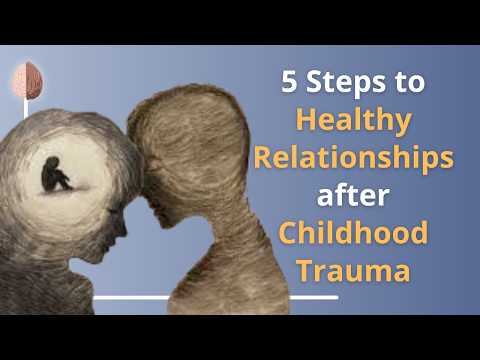
Now introduce the idea of trauma. If someone experienced abuse or neglect as a child, that can leave lasting scars. These scars affect how they relate to partners later on. They might be hyper-aware of potential threats or might have learned that love is unpredictable.
Emotional intimacy becomes a rollercoaster ride. On one hand, there’s an intense desire for love and understanding; on the other hand, there’s a voice saying “You’ll just get hurt.” And let me tell ya, navigating this duality isn’t easy!
But here’s where it gets interesting: understanding all this can help! Recognizing these patterns in yourself—or your partner—can be the first step toward healthier relationships. It’s like identifying an underlying theme in your life story that needs tweaking
In summary, disorganized attachment creates unique challenges when forming adult relationships but by understanding these patterns and their origins—you can start making some positive changes! Just remember: it’s okay not to have everything figured out right away; we all have our own journeys when it comes to love and connection.
Understanding Disorganized Attachment: Insights into Emotional Relationships in Childhood
Disorganized attachment is a term that comes up a lot when we talk about childhood relationships. Basically, it’s like the emotional glue that can form between a kid and their caregiver. But here’s the kicker: this type of attachment can be pretty messy and confusing.
When we think about attachment in general, we’re often looking at how children connect with their caregivers—like if they feel safe, loved, and understood. But disorganized attachment is different. Kids with this kind of attachment often experience inconsistent behaviors from their caregivers. One minute they’re being comforted, and the next they’re being ignored or even frightened by their caregiver.
You might wonder how this plays out day-to-day. Imagine a child who runs to their parent for a hug but gets pushed away or yelled at instead. It’s like they’re on an emotional rollercoaster without the safety bar! This inconsistency can leave kids feeling utterly confused and anxious about their relationships.
So why does this happen? Well, it often stems from caregivers who are themselves struggling with issues like trauma or mental health problems. They might want to be nurturing but can’t manage to provide that stability consistently. This creates a mixed bag of messages for the child—love one moment, fear the next.
With disorganized attachment, kids might show some pretty unique behaviors as they grow up:
- Difficulty trusting others: Since they never learned what reliable love looks like, it can spill over into friendships or romantic relationships later on.
- A high level of anxiety: These children might live in a constant state of worry about whether they’ll be safe or cared for.
- Poor emotional regulation: When they feel upset, it can spiral out of control because they haven’t developed healthy coping strategies.
Imagine someone always getting mixed signals from friends. One week they’re inseparable; the next week? Ghost town! That’s what disorganized attachment feels like for these kids—they’re unsure if anyone’s really there for them.
These emotional patterns can stick around into adulthood too. A 25-year-old with disorganized attachment might find themselves questioning every relationship they enter or having difficulty expressing feelings without getting overwhelmed.
It’s not all doom and gloom though! Understanding disorganized attachment can lead to growth and healing. Knowing these patterns helps people break cycles of behavior—recognizing where they’ve come from gives them insight into where they want to go.
Ultimately, the journey requires patience, understanding, and sometimes professional guidance to help navigate those complex emotions tied to early attachments—so healing is absolutely possible!
Building Healthy Relationships: Loving Someone with Disorganized Attachment
Building healthy relationships can be quite a journey, especially when you’re loving someone with a disorganized attachment style. So, what does that even mean? Well, let’s break it down.
Disorganized attachment usually stems from chaotic or inconsistent caregiving in childhood. It’s like the emotional rollercoaster of having a caregiver who is loving one moment and frightening the next. The result? Adult relationships might feel confusing and tumultuous. You know, it’s like being pulled in two directions at once: craving closeness but fearing it at the same time.
When you’re in a relationship with someone who has this attachment style, it helps to understand some core characteristics:
- Inconsistent Behaviors: Sometimes they might be super affectionate, while other times they could seem distant or even push you away. It’s not because they don’t care; it’s just their way of dealing with emotions.
- Intense Emotions: They may experience highs and lows in their feelings much more intensely than others. One minute everything seems great, then suddenly they’re feeling overwhelmed by anxiety.
- Difficulty Trusting: Trust doesn’t come easy for them. They might struggle with believing that someone will be there for them when things get tough.
How can you support your partner through this tangled web? First off, patience is key! Give them space when they need it but also remind them you’re there when they’re ready to connect again.
Clear communication is another biggie. Encourage open discussions about feelings and fears. It might feel awkward initially—like trying to fit a square peg in a round hole—but over time, those conversations can build trust.
And then there’s consistency on your part. Try your best to be reliable and predictable in your actions and responses. This can help create a sense of safety for your partner.
For example, let’s say your partner has a sudden outburst about something minor—maybe something as simple as forgetting dinner plans you made last week. Instead of reacting with frustration or defensiveness, try saying something like: “I get that this upset you; I’m here to talk if you want.” This shows that their feelings matter and gives them an opportunity to express themselves without fear of judgment.
There may also be times when they act out due to past trauma—it’s important not to take these behaviors personally; remember that they are often operating from an anxious or fearful place.
But here’s the thing: while it’s crucial to support your partner, don’t forget about yourself! Establish boundaries so that you’re not lost in the chaos either. Take care of your own emotional needs too because healthy relationships are about balance.
And lastly: don’t underestimate the power of professional resources. Suggesting therapy—or even attending couple’s therapy together—can be super beneficial for both parties involved.
Loving someone with disorganized attachment requires understanding, compassion, and sometimes a whole lot of strength—but remember: it’s totally possible to build a healthy relationship together!
Disorganized attachment is one of those psychological concepts that can seem a bit heavy, but it really boils down to how we connect with people. Imagine growing up in an environment where the caregivers are sometimes loving and caring, but at other times they might be frightening or neglectful. It’s like being on a rollercoaster—you’re unsure of what’s coming next.
I remember talking to a friend about their relationship struggles. They’d often feel anxious and confused about their partner’s mood swings. One minute, everything was rosy; the next, they were caught off guard by unexpected anger or withdrawal. Listening to them made me think about how early experiences shape our adult relationships.
Now, disorganized attachment often happens when caregivers are sources of both comfort and fear—a bit of emotional whiplash, if you will. The child doesn’t know whether to run towards their caregiver or away from them. This can lead to adults feeling lost in their relationships, unsure whether they should lean in for support or keep their distance out of fear.
People with this kind of attachment may struggle with trusting others. You might notice patterns where someone pushes loved ones away just when they feel close—like a subconscious self-sabotage thing going on. It’s not out of malice; it’s more like a protective instinct gone wrong because of past trauma or inconsistency in caregiving.
When you dig deeper into this stuff, it becomes clear that awareness is key! Just recognizing these patterns can help folks start shifting how they interact with others. Acknowledging the chaos within gives you a chance to create healthier relationships later on. So even if someone has faced hurdles due to disorganized attachment in childhood, it doesn’t mean all hope is lost for building those emotional connections as an adult.
Understanding this kind of attachment style allows room for compassion—both for yourself and for others who might be grappling with similar issues. After all, we’re all just trying to find our way through the maze of emotions while figuring out how to love and be loved effectively!