Divorce is hard, right? Now imagine doing it after living with domestic violence. It’s a whole other level of tough.
You’re dealing with heartbreak, fear, and a million emotions all at once. It’s like standing in the middle of a storm and trying to find your way home.
But here’s the thing: healing is possible. Seriously! So many people have walked this path before you. They’ve found their strength and rebuilt their lives.
In this journey, we’ll talk about what it really means to heal your mind after such a heavy experience. You’re not alone in this, and together we can explore the ups and downs of moving forward.
Let’s dig into it!
The Impact of Domestic Violence on Divorce Proceedings: Legal Insights and Considerations
Domestic violence can deeply affect not just the lives of those involved but also the legal aspects of divorce proceedings. It’s pretty serious stuff. When someone decides to leave an abusive relationship, it’s essential to understand how domestic violence impacts the whole divorce process, from custody issues to asset division.
Custody Considerations
First things first, child custody becomes a major point of concern. Courts generally prioritize the best interest of the child, but if there’s a history of domestic violence, it can seriously influence their decision. If you’ve experienced or witnessed abuse, that might affect your ability to get shared custody or visitation rights. Judges tend to view abusive behavior as a red flag for potential harm to the kids involved.
Documenting Abuse
Think about this: having solid proof of abuse can be crucial. If you’re going through this situation, keeping records—like photos, medical reports, or police reports—can help your case in court. It’s not just about what happened; it’s about showing a pattern over time that impacts your safety and well-being.
Legal Support
Getting legal support is vital too. You might want to reach out to a lawyer who specializes in domestic violence cases and family law. They can help ensure that your rights are protected and guide you on how best to present your situation in court.
Financial Implications
Then there are financial worries. Domestic violence often leads to economic hardship for victims—sometimes abusers control finances or sabotage employment. This means you could find yourself fighting for fair distribution of assets during divorce proceedings, which can get messy without careful documentation and legal advice.
TROs and Divorce
A Temporary Restraining Order (TRO) may come into play as well. If you fear for your safety while negotiating the terms of divorce, a TRO can provide some immediate protection and impact how certain processes unfold legally. Just remember that this is temporary; you’ll need a solid foundation for long-term protection.
Mental Health Support
Don’t forget about emotional support too! Getting through all this isn’t easy—it can be draining mentally and physically. Therapy or support groups are often really helpful in navigating feelings about abuse while handling legal matters at the same time.
The Bigger Picture
In essence, domestic violence casts a long shadow over divorce proceedings—it affects everything from custody arrangements to financial distributions and beyond. It’s crucial to approach these situations with care and awareness because they’re often layered with both emotional and legal complexities.
So if you find yourself in such shoes or know someone who is dealing with this kind of issue: stay informed, seek help where needed, and trust that there are ways forward through what might feel like an overwhelming process right now.
“Exploring the Link Between Domestic Violence and Associated Mental Illnesses”
Domestic violence is a heavy topic, and its impact stretches far beyond the physical scars. It can lead to a range of mental health issues for both victims and perpetrators. So let’s explore how these two areas connect.
First off, you might be wondering what mental illnesses often surface in situations of domestic violence. Well, victims frequently experience post-traumatic stress disorder (PTSD), anxiety, and depression. Can you imagine living in constant fear? It’s draining, and it can warp your perception of reality.
For instance, there’s this woman I read about who lived with an abusive partner for years. Every time she heard a loud noise, her heart would race—she’d panic and feel like she had to brace for impact. That’s classic PTSD talking right there! It’s not just about the physical abuse; the emotional toll can be intense.
On the flip side, perpetrators may also grapple with their own mental health challenges. Many exhibit traits associated with antisocial personality disorder, which can involve a lack of empathy or remorse. Some even deal with issues like depression or substance abuse, which might fuel their violent behavior further.
Now, why does this link matter? Understanding it is crucial for both prevention and healing. If we grasp how domestic violence intertwines with mental illness, we can better address these complex issues during recovery.
In terms of healing after such experiences—especially after divorce from an abuser—it’s essential to prioritize mental health. Survivors often need strategies to cope with feelings of shame or low self-worth that might linger long after they leave the abusive relationship.
Here are a few things that might help:
- Therapy: Speaking with a professional can help process trauma.
- Support groups: Connecting with others who’ve been through similar situations can provide comfort.
- Self-care: Simple acts like journaling or meditation can foster emotional healing.
Additionally, children exposed to domestic violence often carry these emotional burdens into adulthood. They may develop anxiety or trust issues stemming from their early experiences at home. Imagine trying to build relationships as an adult but constantly battling fears rooted in childhood trauma—that’s tough!
In summary, the link between domestic violence and mental illness is real and profound. Recognizing this connection opens doors for meaningful intervention and support systems that can genuinely aid individuals in overcoming their pasts while paving new paths toward healthier futures.
The Impact of Domestic Violence on Women’s Brain Health: Understanding the Psychological Effects
Domestic violence is a serious issue that often leaves deep scars, not just physically but mentally too. You might think of it as just the physical acts, but what really happens in a woman’s brain when she experiences abuse? Well, let’s break it down.
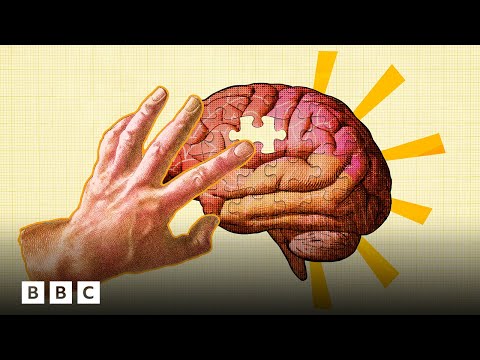
When someone faces domestic violence, their brain goes through some intense changes. The constant stress and fear can lead to chronic activation of the stress response system. Imagine being in a state of high alert all the time; that’s what happens. Your body releases hormones like cortisol, which are meant to help you deal with threats. But over time, too much cortisol can mess with your brain in pretty serious ways.
One major impact is on memory and learning. Studies show that high levels of stress hormones can shrink the hippocampus—an area crucial for forming new memories. This may explain why some women struggle to remember details about their experiences or even daily life tasks after leaving an abusive relationship.
Another area to consider is emotional regulation. When someone is constantly exposed to high-stress situations, their amygdala—the part of the brain responsible for processing emotions—can become hyperactive. This leads to increased anxiety or even panic attacks after the abuse stops. It’s like having a car stuck in drive, always revving up even when there’s no reason to.
Moreover, there are also social aspects at play here. The abuse often isolates women from friends and family. And this lack of support can lead to feelings of loneliness and depression, compounding mental health issues even more. Think about how important your social circles are for your well-being; losing that connection can seriously mess with your head.
- Chronic Stress Response: Overactive stress hormones affecting overall mental health.
- Memory Issues: Impacts on learning and memory due to changes in the hippocampus.
- Emotion Regulation: Hyperactivity in the amygdala leading to anxiety and emotional instability.
- Isolation Effects: Loss of social support contributing to feelings of loneliness.
But there’s hope! Understanding these impacts helps pave the way for healing. Recognizing that these changes aren’t permanent—that recovery is possible—is crucial for women who have gone through domestic violence. Therapy options like cognitive-behavioral therapy (CBT) can be super effective because they help rewire those pathways affected by trauma.
It’s also essential for survivors to surround themselves with supportive communities post-abuse, whether that’s friends or group therapy settings where they share experiences with others who understand their struggles.
So basically, domestic violence does way more than just hurt you physically; it dives deep into how you think and feel too. It reshapes parts of your brain as you try to cope with an overwhelming situation. Understanding this connection is key—not only for those who’ve experienced it but also for anyone looking at how we recover together after such trauma!
Going through a divorce is tough, but when domestic violence is part of the picture, it’s like wading through thick mud. There’s this heavy emotional baggage that you just can’t seem to shake off. You might feel exhausted, confused, or even a bit guilty—like you’re being dragged down by something you can’t control.
Picture this: a friend of mine went through a really messy divorce after being in an abusive relationship for years. She was terrified when she finally made the choice to leave. It wasn’t just about the legal stuff; it was about reclaiming her life and her peace of mind. The journey of healing took time—lots of time. She had to learn how to trust herself again, which is no small feat when someone’s spent years tearing down your confidence.
That fear doesn’t just vanish overnight, does it? You need to confront those memories and feelings head-on, even if they make your heart race or your stomach twist into knots. There’s this idea that healing is linear—a straight line from pain to closure—but let me tell you, it’s more like a winding road with bumps and detours all over the place.
And then there are those daunting moments when self-doubt creeps in. You know those days when you question whether leaving was the right choice? It’s normal! During those times, reaching out for support becomes crucial. Friends, family, or even support groups can help remind you that you’re not alone on this journey.
There’s also empowerment in sharing your story—it’s like giving voice to what was once silenced. Sometimes just talking about what happened helps lighten that load a little bit and can create connections with others who’ve faced similar battles.
But let’s be real: healing doesn’t mean forgetting. It means recognizing what happened, processing those feelings without judgment, and learning how to rebuild stronger than before. It’s discovering who you are again beyond the chaos—what makes you tick and what brings joy into your life.
In short, getting past a divorce after domestic violence isn’t an easy road at all—it’s filled with heartbreak and discovery alike. Taking one step at a time is key; embracing the messy parts of the journey will get you closer to not just surviving but thriving as well. And while I’m not saying it’s going to be all sunshine and roses, there really is hope for brighter days ahead!