You know that feeling when you look in the mirror and think, “Who am I, really?”
It’s kind of wild how complex our identities can be.
One minute you’re a carefree party animal, and the next, you’re deep in thought about life’s big questions.
That duality is super interesting. It’s like there are a bunch of versions of you hanging out in your head.
Sometimes they clash, sometimes they blend. It can get a bit messy!
But hey, that’s part of being human, right?
In this journey, we’ll dig into what makes up our sense of self and why it’s so fascinating—and a little confusing too.
Understanding the Duality of Identity: Legal Perspectives and Implications
Understanding identity can get pretty complicated, especially when you think about it from different angles. Duality of identity refers to the idea that we can have multiple identities or selves based on various contexts or environments. This concept isn’t just philosophical—it has real-life legal implications too.
First off, let’s break down what we mean by duality. It’s like when you’re one person with your friends, but a different version of yourself at work. You could be the goofy friend cracking jokes but then turn into the serious professional presenting a project. This shifting isn’t just personal; it affects how you’re perceived and treated in society.
From a legal perspective, duality complicates things even more. For instance, think about how laws are applied to individuals versus corporations. A corporation is treated as a separate entity under the law, which is its own kind of identity—in some scenarios, this can protect individuals from personal liability for corporate actions.
This leads us to legal implications. Dual identities can come into play in many situations—like during a criminal trial where a defendant’s background might affect the outcome. Say someone has one identity as an upstanding citizen and another as part of a gang; that duality could sway the jury’s perceptions in either direction.
Additionally, consider gender identity and how it relates to legal recognition. If someone identifies as non-binary but their legal documents only reflect one aspect of their identity (like male or female), this mismatch can lead to confusion and discrimination in various systems—from healthcare to employment.
There’s also the idea of identity theft, which adds another layer to this discussion. When someone steals your identity (like your Social Security number), they’re assuming your persona and causing chaos in your life and finances. It’s like they’re living out their own version of you without your consent!
Moreover, there are cultural aspects too—think about how immigrants often experience dual identities: one from their country of origin and another shaped by their new home. They might celebrate cultural traditions at home while adopting local customs outside, creating a rich tapestry of self that’s legally recognized or denied depending on immigration laws.
So when discussing the duality of identity through various lenses like law, culture, or personal experience, it becomes clear that understanding these intersections really matters in our increasingly complex lives! We all navigate multiple identities daily without even realizing it—and it’s essential that laws adapt to respect these nuances rather than force people into narrow definitions that might not capture who they really are!
Understanding the Complexity of Identity: Legal Perspectives and Implications
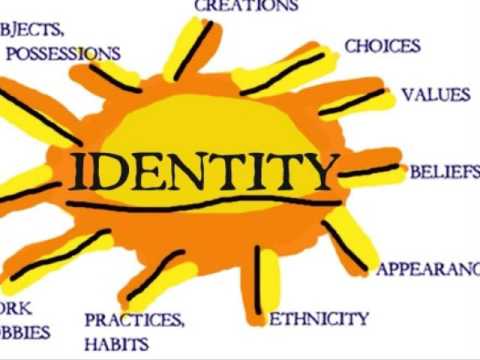
Identity is a pretty complex thing, right? It’s like a big puzzle made up of lots of different pieces. You’ve got your personal experiences, beliefs, culture, and even how society sees you. But when we throw in the legal aspect of identity, things can get really tangled up.
Legal identity often deals with documents and statuses—like birth certificates, passports, driver’s licenses. These papers help define who you are in the eyes of the law. But wait a sec; what about people who don’t fit neatly into these boxes? For example, think about someone who identifies as non-binary but lives in a place where legal options for gender markers are limited. They might feel trapped between two worlds.
Then there’s identity theft, which is a huge issue nowadays. Someone can take your information and pretend to be you! It’s not just annoying; it can mess with your credit score and even your ability to get a job. Your legal identity gets hijacked without you even knowing sometimes.
There’s also the matter of cultural identity. This is where things get juicy! You can belong to multiple cultures simultaneously, adding layers to how you see yourself and how others view you. Imagine folks from immigrant families trying to balance their heritage with the culture they grow up in. That brings challenges—you might have one foot in one world and another foot somewhere completely different.
Legal definitions play a massive role here too. Take marriage for instance—you could be married in one country but not recognized as such elsewhere if the laws differ widely. Same goes for same-sex couples before changes to legal recognition in various places—couldn’t get married legally in some states or countries but were living as partners elsewhere.
And we can’t forget about mental health when discussing identity! Sometimes, mental health issues can shape how people see themselves significantly. Someone battling anxiety might feel like they’re not really themselves at times or could even result in having alter egos to cope with tough situations.
All this complexity shows that our identities aren’t just straightforward labels on documentation; they’re layered experiences shaped by personal choices, cultural backgrounds, societal expectations—and yes, the law! It’s essential to understand that someone’s self-concept may be very different from what their legal identity says on paper.
The bottom line? When talking about identity—legal or otherwise—understanding its complexity helps us appreciate each person as an individual with their own unique story that goes beyond forms and paperwork.
So next time you think about what makes someone who they are, remember it’s more than just names or identifiers; it’s all those intricate factors working together (or sometimes against each other) that make us human!
Understanding Beverly Tatum’s Concept of the Mythical Norm: Implications for Diversity and Inclusion
Beverly Tatum’s idea of the mythical norm is pretty eye-opening when you think about it. It’s basically the concept that there’s an invisible “ideal” person in society. This ideal often looks like a middle-class, white, heterosexual male. It’s like this hypothetical figure that sets the standard for what is considered normal or acceptable. When you don’t fit into that mold, things can get tricky.
So, what does this mean for diversity and inclusion? Well, when so many people are measured against this mythical norm, it creates all sorts of inequalities. You may find that marginalized groups—like people of color, LGBTQ+ folks, or those from different economic backgrounds—often face barriers just because they don’t match up with that standard.
Take a moment to think about it: If you’re constantly told that being part of the “norm” is the only way to succeed, it can mess with your self-esteem and sense of belonging. Many individuals might feel pressured to conform or hide parts of their identity just to fit in. This struggle can lead to feelings of isolation and anxiety.
Now let’s look at some implications:
- Psycho-Social Impact: Those who don’t fit into this mythical norm often grapple with identity issues. They might ask themselves questions like: “Where do I belong?” or “Am I good enough?” The more these questions linger, the more challenging it is for them to engage confidently in spaces dominated by this ideal.
- Cultural Representation: If media and workplace environments mostly highlight faces that match this mythical norm, other groups can feel invisible. Think about how hard it is to see yourself in certain roles when those roles are rarely portrayed by someone who looks like you.
- Systemic Barriers: Organizations sometimes overlook diversity initiatives because they stick with what’s familiar—the mythical norm means hiring looks a certain way. This leads to homogeneity and limits creativity because a range of experiences and perspectives isn’t included.
Now here’s a key point: understanding Tatum’s work on the mythical norm isn’t just academic mumbo-jumbo—it has real-life implications! Recognizing these biases can open up pathways for deeper conversations about diversity and inclusion.
For example, imagine a workplace where everyone feels valued regardless of their background—how cool would that be? When companies actively challenge this mythical standard by promoting diverse voices and experiences, they build stronger teams. This approach not only enhances creativity but also boosts employee morale.
It’s essential to realize that our identities aren’t black-and-white; they’re complex mosaics shaped by various factors like race, gender, culture, and personal experiences. Tatum reminds us that embracing these complexities enriches our communities and organizations.
To wrap things up: recognizing Beverly Tatum’s concept helps us see how deeply embedded ideas about normalcy affect real lives every day. By acknowledging this mythological standard and working towards inclusivity, we pave the way for everyone to shine brilliantly in their own unique ways!
Have you ever felt like there are, like, two versions of yourself? One side that’s all about being social and outgoing, maybe the life of the party, and then there’s that quieter part that just wants to curl up with a book or binge-watch a series? It’s so normal to experience this kind of duality. Our identities are never as simple as just one label or one way of being.
Think about it: You might show up differently at work than you do with friends or family. At work, maybe you’re super professional and put-together, but at home, you can totally let loose and be goofy. It’s like flipping a switch depending on your surroundings. I remember this one time when I was hanging out with my friends after a really intense week at work. I just needed to forget about deadlines and emails for a bit. We started joking around and laughing so much that, honestly, it felt like I was rediscovering a part of myself I hadn’t seen in days!
This mix of personalities stems from situations and experiences we go through. Think about social expectations or how we want people to view us. If you’re in a big group, maybe you lean into that extroverted side—cracking jokes or chatting away—because that’s what feels right in that moment. But when you’re chilling with your best friend? You might embrace that more introverted side where deep conversations take over.
And here’s where it gets really interesting: sometimes those different sides clash within us! You might feel pressure to be more outgoing but then find yourself needing alone time to recharge. That push-and-pull can create some serious confusion about who you really are.
It’s not always easy to juggle these competing aspects of your identity. Sometimes they collide in ways that leave you feeling scattered or even phony. But the truth is, embracing both sides can lead to a richer understanding of yourself and how you fit into the world. It’s okay not to have everything figured out—you’re not alone in wrestling with these complexities.
So next time you feel pulled between different versions of yourself, take a moment to breathe and appreciate the mix! Your unique blend is what makes life interesting—and hey, who wants to be boring anyway?