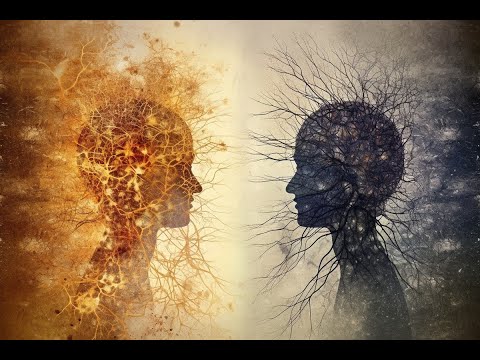
Bipolar disorder, huh? It’s one of those things that a lot of people have heard about but maybe don’t fully get.
You know, it’s like when someone has super high highs and really low lows – that rollercoaster vibe. And honestly, it can be tough for both the person experiencing it and those around them.
So, let’s break down what the DSM-5 says about it. It’s not just a textbook; it’s kinda like a roadmap for understanding these wild emotional swings.
We’ll dive into how this impacts everyday life and what it actually looks like in practice. Sound good? Let’s get into it!
Understanding Bipolar Disorder: Insights from the DSM-5 Classification
Sure! Let’s talk about bipolar disorder and what the DSM-5 has to say about it.
Bipolar disorder is a mental health condition characterized by extreme mood swings. You know those times when you feel on top of the world, and then suddenly, you’re in a pit? That’s kind of how it goes. The mood shifts range from manic highs to depressive lows.
According to the DSM-5, which stands for the Diagnostic and Statistical Manual of Mental Disorders, there are a few different types of bipolar disorder. You’ve got:
- Bipolar I Disorder: This involves at least one manic episode that may be preceded or followed by hypomanic or major depressive episodes.
- Bipolar II Disorder: In this case, there’s at least one major depressive episode and at least one hypomanic episode, but no full-blown manic episodes.
- Cyclothymic Disorder: This one’s characterized by numerous periods of hypomanic symptoms and periods of depressive symptoms lasting for at least two years (one year in children and adolescents).
One thing to remember is that each type has its own set of symptoms that can really affect a person’s life. During a **manic episode**, you might experience increased energy, less need for sleep, racing thoughts, or even impulsive behavior—think going on a shopping spree you can’t afford. On the flip side, **depressive episodes** can make everyday tasks feel like climbing Everest. You might feel hopeless or lose interest in activities you once enjoyed.
Now let’s break down those terms used in DSM-5 a bit more:
– **Mania** is when you’re super energized. You might feel invincible!
– **Hypomania** is like mania but less intense. It can still feel great but not as disruptive.
– **Major Depressive Episode** means feeling low most of the day nearly every day.
It’s also important to note that these mood swings can have varying intensity and duration—some people may experience rapid cycling where these moods change frequently.
Those who live with bipolar disorder often find themselves navigating complex emotional waters. For example, imagine someone is on cloud nine one week after scoring a big promotion—everything seems perfect—but then they crash hard into feelings of despair when things don’t go as planned.
And here’s where it gets tricky: not everyone experiences bipolar disorder in the same way! Some folks might have long stretches between their episodes while others might have them more frequently.
The DSM-5 emphasizes that diagnosis isn’t just about mood changes; it’s also about how these changes impact your life—your relationships, work, and daily functions matter too!
In summary, understanding bipolar disorder through the lens of DSM-5 gives us insight into its complexity. It’s not just about mood swings; it’s about how these shifts affect individuals deeply every single day. So when we talk about it or meet someone with this condition, compassion goes a long way—it’s real struggle that needs attention!
Exploring the Positive Aspects of Bipolar Disorder: Strengths and Benefits
Bipolar disorder often gets a pretty bad rap, right? People mainly think of the extreme mood swings and the challenges that come with them. But if you look a little deeper, you’ll find there are positive aspects too. Let’s break it down.
First off, bipolar disorder can come with bursts of creativity. Many artists, musicians, and writers have reported feeling incredibly inspired during manic or hypomanic episodes. When you’re riding that wave of high energy, it can feel like ideas are pouring out of you. Think about famous figures like Vincent van Gogh or Kurt Cobain; they showed how creative genius can sometimes go hand in hand with bipolar experiences.
Another interesting thing is the **intense emotions** that people with bipolar disorder often feel. On one hand, this might seem like a challenge. But on the other, it can lead to deep empathy and compassion for others. You might find yourself able to connect with people on a profound level because you’ve experienced those highs and lows yourself.
Then there’s resilience. People living with bipolar disorder frequently learn to cope with their symptoms over time. It requires facing difficulties head-on and figuring out what works for them personally. That’s some serious life experience right there! These coping strategies can develop into strong problem-solving skills that benefit them in various areas of life.
Bipolar disorder also brings about a unique perspective on life. Those extreme mood changes can lead individuals to question societal norms and values more deeply, encouraging personal growth and introspection. It’s not uncommon for someone managing these mood shifts to become more self-aware or philosophical about existence.
Having bipolar disorder may also create **strong support networks** among friends and family members as they rally around their loved one during tough times. This can foster meaningful relationships built on understanding and shared experiences.
Of course, it’s vital to recognize that these positive aspects don’t negate the real struggles people face with bipolar disorder every day — but they do add another layer to what this condition means for many folks living with it.
In summary:
- Creativity: Many people experience bursts of artistic inspiration.
- Empathy: Intense emotions can lead to deeper connections with others.
- Resilience: Developing coping strategies builds strength over time.
- Unique perspectives: Life experiences encourage introspection.
- Support networks: Close relationships strengthen through shared experiences.
So yeah, while living with bipolar disorder comes with its fair share of challenges, there’s also this unique mix of strengths that can emerge from the experience!
Understanding Bipolar Disorder: Insights from a Psychological Perspective
Bipolar disorder can feel like riding an emotional rollercoaster. You experience extreme mood swings that can really shake things up. One moment, you might feel on top of the world, and the next, you’re in a dark pit of despair. Basically, it’s more than just moodiness; it’s a serious mental health condition.
Bipolar disorder is characterized by two main types of episodes: manic and depressive. During a manic episode, you might feel overly energetic, talk fast, or engage in risky behaviors. For instance, someone might suddenly decide to take an impulsive trip across the country or spend money they don’t have on extravagant things. It’s like being high on life but without any brakes.
On the flip side, when in a depressive episode, everything feels heavy and dark. You might struggle to get out of bed or lose interest in things you used to love. Imagine feeling like you’re walking through molasses; that’s how it can feel emotionally.
Now, if we look at the DSM-5—essentially a manual used by psychologists and psychiatrists to diagnose mental disorders—it lays out criteria for diagnosing bipolar disorder. To be diagnosed, a person typically must experience at least one manic episode and maybe also depressive episodes.
There are some important types of bipolar disorder too:
- Bipolar I Disorder: This involves manic episodes lasting at least seven days—or those so severe that immediate hospital care is needed.
- Bipolar II Disorder: Here, individuals go through a milder form called hypomania (less intense than full-blown mania) along with depressive episodes.
- Cyclothymic Disorder: This involves periods of hypomania and mild depression lasting for at least two years. It’s like being caught in a fog between highs and lows.
Understanding bipolar disorder really helps when you’re trying to support someone going through it—or even if it’s you yourself dealing with it! Each person’s experience can be quite different. That means what works for one person may not work for another.
It’s also important to address stigma here. People often misunderstand what bipolar disorder is like from an inside perspective. They might think someone with this condition is just being «moody» or difficult when that’s far from the truth; it’s genuinely about managing fluctuating emotions that affect daily life.
In terms of treatment, there isn’t a one-size-fits-all solution. Many find relief through a combination of medication—like mood stabilizers—and therapy techniques tailored to their personal needs. Cognitive-behavioral therapy (CBT), for example, can help people recognize their thought patterns during different mood episodes so they can respond differently next time around.
You know, if we think back to what someone with bipolar disorder might experience on any given day—it’s all about finding balance and support while navigating this complex condition! The journey isn’t easy but understanding the ins and outs helps create compassion among loved ones and friends alike.
So whether it’s learning more about your own feelings or supporting others in your life who are dealing with this rollercoaster ride known as bipolar disorder, every little bit counts toward creating an understanding environment!
Bipolar disorder is one of those terms that gets tossed around a lot, but it’s way more complex than just being moody or having ups and downs. It’s actually a mental health condition that affects a person’s mood, energy, and ability to function. I remember chatting with a friend who was recently diagnosed. They felt confused and kinda lost, like they had this rollercoaster inside them that they couldn’t control.
In the DSM-5, which is the big manual that psychologists use to diagnose mental disorders, bipolar disorder is split into different types: Bipolar I, Bipolar II, and Cyclothymic Disorder. Each type has its own nuances that can really change how it’s treated and understood. So for example, in Bipolar I, you’ve got these manic episodes that are pretty intense—you could say they’re like extreme highs where everything feels possible and amazing. But the crash into depression afterward can be pretty brutal.
On the flip side with Bipolar II, there are hypomanic episodes—less severe than full-blown mania but still enough to affect daily life—interspersed with deeper depressive periods. Understanding these distinctions helps you see how critical it is for treatment plans because medication might vary depending on what type someone has.
What’s fascinating—and also challenging—is how people experience their symptoms differently. Some folks might have long stretches of stability between episodes while others might feel like they’re constantly battling their mood swings. This can make it super tricky for mental health professionals to find the right approach for each individual.
The DSM-5 also highlights the importance of ruling out other conditions first before landing on a bipolar diagnosis. For instance, sometimes ADHD or anxiety can mimic symptoms of bipolar disorder—like impulsivity or irritability—so getting it right means you’re not just throwing medication at someone without truly understanding what they’re dealing with.
But here’s where it gets even more relatable: stigma plays a huge role in how people manage their mental health journey. My friend mentioned feeling embarrassed about their diagnosis because society often labels bipolar folks as “crazy” or “unstable.” That label? It can be so heavy! The more we talk about these experiences openly and clarify misconceptions through things like DSM insights, the better chance we have at reducing stigma.
In practice, coping strategies matter too! Beyond medication—which is essential for many—it helps to build support systems and engage in therapeutic practices that create balance in life. Things like mindfulness or regular check-ins with loved ones can really help someone navigate their moods.
Anyway, discussing bipolar disorder through this lens gives us all a bit more insight into an often-misunderstood condition. The key takeaway? Everyone’s experience is unique, so empathy and understanding should be at the forefront when you’re engaging with someone who lives with bipolar disorder—or any mental health challenge for that matter!