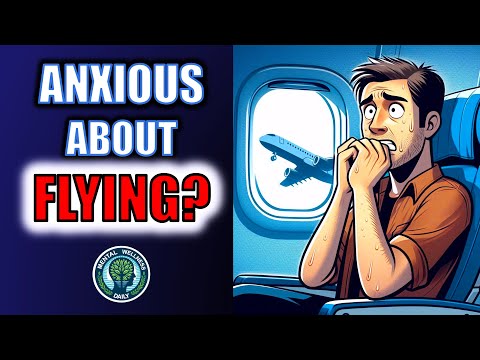
So, let’s chat about social phobia for a sec. You know that feeling when your heart races at the thought of speaking up in a group or, like, going to a party? Yeah, that’s the kind of stuff we’re diving into here.
It’s not just shyness or being introverted. This is the real deal—it can totally mess with your daily life. And trust me, you’re not alone if you’ve felt it.
We’ll be looking at this through the DSM-5 lens—basically this big book that lays out all the mental health stuff. It’s kinda like a guidebook for understanding what’s going on in our minds.
So grab a snack, get comfy, and let’s unpack this together!
Understanding DSM-5 Criteria for Social Phobia: A Comprehensive Guide
Social phobia, also known as social anxiety disorder, is one of those things that can really mess with your life. It’s not just about being shy or nervous in social situations; it’s a lot deeper than that. According to the DSM-5 (Diagnostic and Statistical Manual of Mental Disorders, Fifth Edition), there are specific criteria that describe what social phobia is and how it can be recognized.
First off, let’s break down the key components of social phobia:
- Intense fear or anxiety in social situations: This usually happens when you’re exposed to possible scrutiny from others. Think about giving a presentation at work or even eating in front of people. The fear feels overwhelming.
- Fear of being judged: It’s that nagging feeling that everyone’s watching you and waiting for you to mess up. You might worry they’ll see you blushing or stumbling over your words.
- Avoidance behavior: A person might go out of their way to avoid situations where they feel they could get embarrassed. This could mean missing out on parties, gatherings, or even work events.
- Physical symptoms: These can include sweating, shaking, racing heart, or even feeling dizzy when facing social situations.
- The duration: For a diagnosis, these feelings must be persistent and last for about six months or more.
Now, let’s consider an example. Imagine you have an important meeting at work. You might feel physically sick just thinking about it—your palms get sweaty, your heart races, and all you want is to avoid going altogether. This scenario captures what living with social phobia can look like.
Another critical part of understanding this condition is recognizing that it can affect various aspects of life—work, school, even friendships. For instance, someone may struggle to speak up in class because they’re terrified everyone will make fun of them if they say something silly.
And here’s the big kicker: this isn’t just about being shy; it’s a real mental health challenge that can make daily life tough. It’s worth noting that many people with social phobia realize their fears may be exaggerated but still can’t shake off the feelings.
To sum it all up: social phobia isn’t just “nerves.” It involves deep-seated fears that lead to significant avoidance behavior and discomfort in everyday interactions. Recognizing these patterns is essential if you’re trying to understand yourself or someone else who might be dealing with this kind of anxiety.
The DSM-5 helps professionals diagnose these issues clearly and accurately so folks can get the right support—whatever form that takes! So yeah, diving into the DSM-5 criteria gives us a clearer picture of what makes social phobia tick and why understanding it better matters so much for those affected by it!
Understanding Phobias: Insights from the DSM-5 on Diagnosis and Treatment
Phobias are, well, intense reactions to things that seem pretty harmless to most people. If you’ve ever felt your heart race at the thought of speaking in front of a crowd or even just looking at a spider, you know what I mean. So, let’s unpack this idea of phobias, especially through the lens of social phobia.
First off, **phobias** fall under the umbrella of anxiety disorders in the DSM-5—the Diagnostic and Statistical Manual of Mental Disorders, Fifth Edition. This manual is like a big book that helps professionals diagnose mental health conditions. When it comes to social phobia (or social anxiety disorder), it’s all about fear and anxiety in social situations.
**But what exactly makes something a phobia?** The DSM-5 outlines some specific criteria to determine whether an experience qualifies as a phobia:
- Intense fear or anxiety: You have to feel extreme fear or anxiety about specific social situations. Think about feeling sick just thinking about going to a party.
- Avoidance behavior: You might find yourself actively avoiding these situations. For instance, skipping that dinner invite because you can’t handle being around people.
- Duration: And it needs to last for a while—typically six months or more—to really be classified as a disorder.
- Out-of-proportion responses: The fear must be out of proportion to the actual threat posed by the situation.
Now, let’s break this down further with some concrete stuff from real life. Imagine Sarah—a bright woman with tons of talents but who feels paralyzed by the idea of having to speak up during meetings at work. She knows her colleagues are friendly and supportive but her body doesn’t get that memo! Instead, she feels sweaty palms and racing thoughts every time she has to share an idea.
So how do you treat something like this? It’s not just about telling someone “get over it,” you know? Treatment plans typically include:
- Cognitive-behavioral therapy (CBT): This technique helps people identify and change negative thought patterns related to their anxiety.
- Exposure therapy: Gradually facing their fears in controlled scenarios can help reduce feelings of panic over time.
- Medications: Sometimes doctors will prescribe antidepressants or anti-anxiety meds if symptoms are more severe.
That’s not all! People often benefit from support groups too. Sharing experiences with others who understand can really help lessen feelings of isolation—like realizing you’re not alone on this journey.
Understanding phobias through the DSM-5 gives us valuable insight into how seriously these fears affect everyday life for individuals. The emotional weight can be truly exhausting! But with support and effective treatment options available, there is hope for folks facing these challenges every day.
So whether it’s stepping out onto that stage or simply walking into the coffee shop—there’s so much more beneath the surface when we talk about social phobia than just shyness or awkwardness. It can really impact someone’s quality of life!
Understanding Social Anxiety Disorder: DSM-5 Criteria PDF Download
Sure! Let’s chat about social anxiety disorder and how it relates to the DSM-5, which is basically a big manual that helps professionals understand mental health conditions.
Social anxiety disorder, often called social phobia, is a pretty common issue. So many people feel nervous in social situations, but for some, it goes way beyond just being shy. Imagine feeling like everyone’s eyes are on you at a party, worried about what they think of you or afraid you’ll embarrass yourself. That’s the core of it.
Now, according to the DSM-5, there are specific criteria that define social anxiety disorder. Here’s a quick rundown:
- Marked Fear or Anxiety: You feel intense fear or anxiety in social situations where you might be judged or scrutinized by others.
- Triggering Situations: This can include talking to people, meeting new folks, or even eating in front of others.
- Avoidance Behavior: You end up avoiding these situations altogether, or if you do go through with them, it’s often with extreme distress.
- Duration: For it to be considered a disorder rather than just shyness, these feelings must persist for six months or more.
- Significant Distress: The fear and avoidance significantly affect your daily life—think school, work, relationships.
So picture this: a friend invites you to hang out at a big gathering. You think about all the faces looking at you and suddenly feel your heart racing. Instead of going and having fun like everyone else, you decide it’s better not to go because that anxiety feels overwhelming. That’s pretty much what folks with social anxiety experience regularly.
Now let’s talk about how this all plays out in real life. Someone with social anxiety might find themselves constantly worrying before an event—like what they’ll wear or if they have something stuck in their teeth when they’re talking to someone. It’s not just nerves; it’s relentless stress that can take over.
It’s also worth mentioning that while the DSM-5 helps categorize these experiences into something recognizable and treatable, everyone who struggles with social anxiety has their own unique story and symptoms. Each person’s situation is different—a mix of personal history and environmental factors plays into it.
In summary:
- The DSM-5 offers guidelines for understanding social anxiety disorder based on specific criteria.
- This condition can seriously impact daily functioning and quality of life.
So if someone mentions downloading the DSM-5 criteria PDF for social anxiety disorder—it’s likely they’re trying to make sense of those feelings or perhaps support someone going through this tough time! Understanding these details can create more empathy around a condition that isn’t always visible on the surface but affects many deeply.
Social phobia, or social anxiety disorder, can be a pretty tough thing to experience. So, like, what is it really? Well, if we peek into the DSM-5—basically a big book that helps psychologists classify mental health disorders—we find some interesting details about how this condition works.
Imagine being in a room full of people, and every little thing you do feels like everyone’s scrutinizing you. Your heart races, your palms sweat, and all you want is to disappear. Yeah, that’s kind of what social phobia feels like. The DSM-5 points out some key symptoms: intense fear of social situations where one might be judged or embarrassed. For some people, this can even show up as avoiding parties or public speaking.
I remember this one time when my friend Rachel had to give a presentation in class. She practiced for days but just froze up the moment she stood in front of everyone. It was heartbreaking to see her struggle with that anxiety. This wasn’t just shyness; it was an overwhelming fear that made her feel like she was trapped in her own mind.
The DSM-5 also highlights that this fear often goes beyond just feeling awkward; it can really affect daily life—like work or making new friends. Some might think it’s just being introverted, but there’s a big difference between wanting quiet time alone and being terrified of interacting with others.
And what’s wild is that many people don’t realize they have this condition until later in life because it can feel so isolating. The book mentions how symptoms usually start during adolescence or early adulthood; however, they might get overlooked for years until they cause significant distress.
But here’s the thing: understanding social phobia through the DSM-5 isn’t just about ticking boxes on a checklist. It humanizes the struggle by showing it’s not merely about being shy—it’s deeper than that! Many folks with social anxiety deal with constant self-doubt and negative thoughts about their abilities.
At its core, it’s essential to approach this topic with compassion for those dealing with it and recognize how complex yet common these feelings are. Just like Rachel learned—and many others do too—acknowledging these fears is often the first step toward finding ways to manage them and maybe even enjoy social situations down the road!