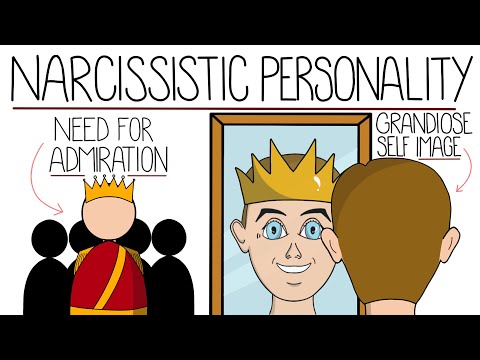
Narcissism, huh? It’s one of those buzzwords we hear all the time. You might think of it as someone who’s just super into themselves. But there’s way more to it than that.
So, what’s this thing called Narcissistic Personality Disorder? It sounds intense, right? It’s listed in the DSM-5, which is like the diagnostic manual for mental health stuff. But trust me, it’s not just a label for people who post too many selfies.
You see, this disorder can really affect how someone connects with others—and not in a good way. They might seem charming and confident on the surface, but there are some deeper patterns going on that can trip them up and others around them.
It’s kind of wild when you think about it! Let’s peel back the layers and see what makes up Narcissistic Personality Disorder and how it shows up in real life. You might find yourself recognizing some traits or patterns—so stick around!
Understanding the DSM-5 Assessment for Narcissistic Personality Disorder: Key Insights and Criteria
Understanding Narcissistic Personality Disorder (NPD) through the DSM-5 can feel a bit like peeling an onion—there’s a lot more underneath than you might think. So let’s break it down.
First off, Narcissistic Personality Disorder is classified in the DSM-5, which stands for the Diagnostic and Statistical Manual of Mental Disorders, 5th Edition. This book is like a big handbook for mental health professionals. It helps them diagnose and understand various mental health issues by listing specific criteria that need to be met. For NPD, there are several key points you should know.
Criteria for Diagnosis
To qualify as having NPD, a person has to show a pattern of grandiosity along with a need for admiration and a lack of empathy. This pattern is usually seen in various contexts, not just one or two random incidents. Here are some specific criteria outlined by the DSM-5:
- Exaggerated sense of self-importance: You see this in someone who believes they’re better than everyone else, or who expects to be recognized as superior without any achievements to back it up.
- Preoccupation with fantasies: Think about someone constantly daydreaming about limitless success, power, brilliance, or beauty.
- Believing they’re «special»: They might think they can only be understood by other high-status people or institutions.
- Narcissistic traits: They have an excessive need for admiration and may take advantage of others to get what they want.
- Lack of empathy: If someone struggles to recognize the feelings and needs of others, that’s a red flag for NPD.
- Envious behavior: They often feel envious of others and believe that others are envious of them too.
- Pompous behavior: Their attitude often comes off as arrogant or haughty.
It’s important to note that these traits must cause significant impairment in social or occupational functioning—or distress—to meet diagnostic criteria.
Anecdote Time!
Let me share something personal—you know how sometimes you might deal with someone who seems completely on their own wavelength? I had this friend once who would always steer conversations back to themselves. Like if we talked about vacations, they’d turn it into an epic tale about how amazing their trip was—never mind what anyone else experienced! At first, it was amusing but then it got exhausting. That kind of behavior aligns closely with some classic narcissistic traits.
The Spectrum
Also worth mentioning is that narcissism isn’t just black-and-white. There’s actually a spectrum; not everyone showing these traits has full-blown NPD. Some might exhibit a few behaviors here and there without reaching that level where it disrupts their life.
Taking It Seriously
If you’re wondering how this affects people in real life—the impact can be significant! Relationships may suffer because those with NPD struggle to connect meaningfully with others due to their lack of empathy and tendency toward manipulation.
To wrap it up—understanding Narcissistic Personality Disorder through the lens of the DSM-5 gives insight into complex behaviors that can seem puzzling at times. Those key criteria offer clarity on recognizing patterns when they appear in individuals around you—or even within yourself! Being aware helps foster understanding rather than judgement when dealing with such complex personalities.
Understanding the 9 Criteria for Diagnosing Narcissistic Personality Disorder: A Comprehensive Guide
Narcissistic Personality Disorder (NPD) can be a tough nut to crack, right? The DSM-5, which is like the bible of mental health diagnoses, lays out nine criteria that help identify NPD. It’s not just about being a little self-absorbed; it’s a lot more complex than that.
So, here’s the rundown of those nine criteria. Just a heads up, you don’t need to meet all of them for someone to be diagnosed with NPD—typically, at least five will do the trick.
- Grandiose sense of self-importance: People with NPD usually think they’re way more important than they actually are. Think about someone who brags constantly about their achievements or talents.
- Preoccupation with fantasies of unlimited success: Ever met someone who dreams big but doesn’t really do anything to make it happen? They might be fantasizing about being super successful but not putting in the real work.
- Believing they are special and unique: Narcissists often feel like they belong in a special category and can only be understood by other famous or high-status people. Like, “You wouldn’t get it; I’m on another level.”
- Need for excessive admiration: You know those people who fish for compliments all the time? They constantly crave validation from others and can get pretty upset if they don’t get it.
- Sense of entitlement: This is where things can get wild! They expect favorable treatment and are baffled when things don’t go their way. Like cutting in line and feeling justified because “they’re too important to wait.”
- Being interpersonally exploitative: Narcissists might use others for their own gain without any guilt. Hey, it’s just business to them!
- Lack of empathy: One major red flag—you’ll find them unable or unwilling to recognize others’ feelings or needs. Imagine someone completely ignoring your distress while talking only about their own struggles.
- Envying others or believing that others envy them: If you’ve noticed someone who’s always comparing themselves negatively to others or assumes everyone is jealous of their achievements, bingo!
- Arrogant or haughty behaviors: This often plays out as condescension toward others. It’s like they walk around with an invisible crown on their head.
When you see these traits together in a consistent pattern across different situations, you might start thinking there’s more going on than just occasional arrogance—there could be NPD at play.
Keep in mind that having some narcissistic traits doesn’t mean someone has the disorder; we all have our moments! It becomes an issue when these traits disrupt daily life and relationships over time.
Understanding these criteria helps us grasp what makes NPD tick. And while it can definitely impact relationships and personal well-being, recognizing these behaviors is the first step toward understanding—and maybe even dealing with—someone who fits this mold.
Understanding the Status of Narcissistic Personality Disorder in DSM-5: Was It Removed?
Narcissistic Personality Disorder (NPD) has been a hot topic, especially when discussing the DSM-5, which is like a big book of mental health disorders. So, was it removed from this edition? The answer is no, it wasn’t removed. It’s actually still in there, but with some changes compared to previous editions.
So, let’s break it down. The DSM-5 lists NPD under the umbrella of personality disorders. It’s characterized by grandiosity, a need for admiration, and a lack of empathy. Basically, someone with NPD might think they’re better than everyone else and expect special treatment all the time. It’s kind of like that one friend who only talks about their own achievements but never asks you how you’re doing.
The way NPD is described in the DSM-5 has shifted a bit. Instead of just having a rigid list of criteria to diagnose someone with this disorder, the DSM-5 introduces more flexible features and traits. This means that professionals can look at different combinations of traits rather than sticking to a strict checklist. This change reflects our growing understanding that personality isn’t always black and white.
Now let’s talk about how people often misunderstand narcissism itself. A lot of times when you hear someone call another person “narcissistic,” they might be referring to typical selfishness or vanity—traits we all have sometimes. But with NPD, it’s way deeper than that; those with the disorder genuinely struggle with self-esteem issues underneath their grandiose behavior.
Here’s something interesting: even though narcissism can sound pretty appealing at first glance (who wouldn’t want confidence?), those dealing with NPD often face significant difficulties in their personal relationships. It can be hard for them to see others’ points of view or connect on an emotional level.
In summary, Narcissistic Personality Disorder didn’t get kicked out of the DSM-5; it just evolved in its definition and understanding based on new insights in psychology. So next time you think about narcissism, remember—there’s a big difference between typical selfishness and real NPD!
Narcissistic Personality Disorder, or NPD for short, can be a bit of a mystery, right? First off, you might picture someone who’s just obsessed with themselves—like the classic “selfie-taker” type. But it goes way deeper than that, and honestly, it’s pretty complex.
In the DSM-5, which is basically the handbook for mental health professionals, NPD is defined by a pattern of grandiosity, need for admiration, and a lack of empathy. It sounds heavy-duty because it is! Imagine someone who constantly seeks attention but has trouble connecting emotionally with others. There’s this layer where they might come off as charming or charismatic at first—and then you notice that there’s something just… off about how they relate to people.
Picture a friend you used to have—let’s call him Mike. Mike could put on the best show at parties; he was funny, engaging, and seemed to capture everyone’s attention. But when things weren’t about him? Well, let’s just say those were crickets chirping moments. If someone else shared their struggles or triumphs? He’d somehow turn it back to himself in no time flat. Over time, you might realize he didn’t really *see* you or anyone else; he only saw reflections of his own interests.
What jumps out from the DSM-5 description is that there are often underlying insecurities driving that outward bravado. On the surface, it looks like confidence or even arrogance. Underneath? Maybe it’s fear of being inadequate or unworthy. That makes sense when you think about how people with NPD might react negatively when criticized or rejected—they often can’t handle feeling small.
Now don’t get me wrong; not everyone who has some narcissistic traits has NPD. It’s sort of a spectrum thing—you can be self-centered without crossing into disordered territory. But for those who fit the criteria outlined in the DSM-5? They may really struggle in personal relationships and work settings because their worldview tends to revolve around them.
So yeah, when we talk about Narcissistic Personality Disorder through the lens of the DSM-5, it’s more than just self-love gone haywire—it touches on struggles that run deep and often leave others feeling hurt or confused in their wake. You realize how complicated human relationships can be!