ADHD is one of those topics that gets people talking. You know? It’s everywhere these days, but there’s still a ton of confusion about it.
So, what’s the deal with ADHD in the DSM-5? Well, it’s not just some fancy book for psychologists; it shapes how we understand this condition.
Imagine sitting in a classroom, and your mind is racing with a million thoughts. Or trying to focus on a task, but your brain feels like it’s on a rollercoaster ride. That’s real-life for many folks with ADHD.
This isn’t just about kids bouncing off walls—it’s much more complex and layered than that. And understanding the psychological perspective really opens up a whole new conversation about how we see ADHD today and its implications for those living with it.
Let’s unpack this together!
Understanding ADHD: Insights and Guidelines from the DSM-5
So, you wanna chat about ADHD, right? It’s one of those terms you hear tossed around, but really understanding it can be a bit tricky. ADHD, or Attention-Deficit/Hyperactivity Disorder, is a condition that affects how people focus and control their impulses. Basically, it’s all about the brain’s wiring that makes it tough for some folks to pay attention or sit still.
According to the DSM-5, which is like the official handbook for mental health professionals, ADHD is categorized into three types:
- Predominantly Inattentive Presentation: This means the person mostly struggles with focusing and paying attention. They might daydream a lot or have trouble following instructions.
- Predominantly Hyperactive-Impulsive Presentation: Here, the hyperactive side takes over. These folks often fidget, can’t stay seated when they should, and might interrupt others a lot.
- Combined Presentation: A mix of both inattentive and hyperactive-impulsive symptoms. You see this combination in many people with ADHD.
The DSM-5 breaks down symptoms into two main categories: inattention and hyperactivity/impulsivity. Each category has specific signs that help professionals make a diagnosis. For example:
- Sustained Attention: Difficulty staying focused on tasks or play activities can be a huge red flag.
- Lack of Organization: Struggling to keep things in order? That’s another sign!
- Impulsive Decisions: You know when someone acts first and thinks later? That impulsivity shows up here too.
You might think ADHD only affects kids. Well, not so fast! It can stick around into adulthood too. Adults may find themselves dealing with chronic procrastination or forgetfulness. Imagine always losing your keys or forgetting important appointments! That can be super frustrating.
Anecdote time! I once knew someone who had ADHD as a kid but didn’t find out until much later in life. She always thought she was just “bad at school” because she couldn’t focus like her peers. Turns out her brain just worked differently! Realizing this finally helped her understand herself better and find strategies to cope.
The implications of having ADHD are broad—from academic struggles to relationship challenges—because it can affect almost every part of life. But let’s not forget that awareness is crucial! Knowing about ADHD can lead to better support systems at home and work.
If you’re looking at all this from a psychological perspective, understanding ADHD through models like cognitive-behavioral therapy (CBT) helps address the core issues by focusing on changing behavior patterns and thoughts related to symptoms. The idea is not just labeling someone but giving them tools to navigate their world more successfully!
You see? Getting a grip on what ADHD really means isn’t just about checking boxes on a test; it’s about seeing how it fits into someone’s life story. And that’s what truly matters!
Exploring Psychological Theories Behind ADHD: Insights and Implications
So, ADHD, or Attention-Deficit/Hyperactivity Disorder, can feel a bit like trying to catch a butterfly in a storm. You know it’s there, but it can be tricky to pin down exactly how it works and how it affects people. By diving into some psychological theories behind ADHD, we can start understanding why certain individuals experience life differently.
First off, what is ADHD? Basically, it’s a neurodevelopmental disorder that’s characterized by symptoms such as inattention, hyperactivity, and impulsiveness. It’s included in the DSM-5 (which stands for Diagnostic and Statistical Manual of Mental Disorders, Fifth Edition) as one of the big players when it comes to mental health classification.
One of the key theories surrounding ADHD is the *executive function theory.* Executive functions are like the management team of your brain. They help with planning, organizing tasks, controlling impulses, and staying focused. When someone has ADHD, this management team isn’t quite running at full capacity. You might find yourself drifting off during meetings or jumping from one task to another without finishing anything. For example, let’s say you’re working on an assignment but keep getting distracted by your phone—classic executive dysfunction!
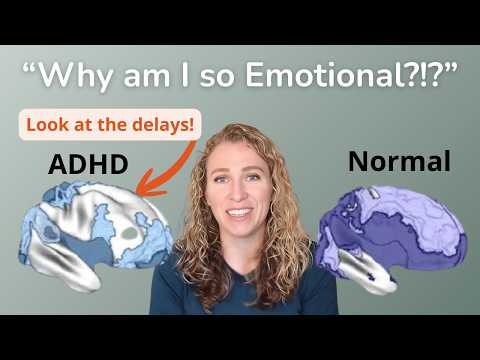
Then there’s the *neurobiological perspective.* This theory suggests that there are differences in brain structure and function for those with ADHD. Areas like the prefrontal cortex (which controls attention and impulse) may be less active or structured differently in these individuals. Imagine trying to navigate through a maze with less light; everything becomes much harder!
The genetic angle is also pretty fascinating. Studies show that ADHD tends to run in families. If your parent or sibling has it, your chances of having it too increase significantly. It’s like passing down a quirky family trait—only this time it’s not about big noses but rather how your brain processes information.
Additionally, you’ve got environmental factors at play here too! Things like prenatal exposure to alcohol or tobacco smoke can increase the risk of developing ADHD. Think about how these influences can mess with an unborn baby’s developing brain—seriously impactful stuff!
The implications of these theories stretch far beyond just diagnosis; they affect treatment approaches too. Understanding that executive functions are involved might lead to strategies focusing on organizational skills or using visual aids for managing tasks effectively.
All in all? The psychological theories surrounding ADHD paint a complex picture—but they’re super important for grasping not just what ADHD is but how people live with it every day. You’re not just dealing with “being distracted.” There’s so much more under the surface!
Understanding ADHD Classification: Page Reference in the DSM-5-TR
Sure! Let’s break down ADHD and its classification in the DSM-5-TR without any fluff.
ADHD, or Attention-Deficit/Hyperactivity Disorder, is classified in the DSM-5-TR (that’s the Diagnostic and Statistical Manual of Mental Disorders, Fifth Edition, Text Revision) as a neurodevelopmental disorder. This basically means it’s something that affects how your brain develops and functions, especially in areas related to attention and impulse control.
What does ADHD look like? There are three main types of ADHD recognized:
- Predominantly Inattentive Presentation: This type involves mainly issues with paying attention. Imagine a kid who daydreams a lot in class and often misses instructions because their mind wanders. It’s like they’re there physically but not mentally.
- Predominantly Hyperactive-Impulsive Presentation: Here, people have trouble sitting still or controlling their impulses. Think of someone who interrupts others constantly or can’t wait for their turn during games.
- Combined Presentation: This is when someone shows symptoms from both the inattentive and hyperactive-impulsive types. You might see kids who can’t focus on tasks at hand while also being super active and restless.
Each type has its own set of symptoms, but they all revolve around challenges with attention and self-regulation.
Now, let’s talk about symptoms a bit more deeply. For ADHD to be diagnosed, these behaviors need to have been present for at least six months. The symptoms must also cause issues in multiple settings—like both at home and school. So it’s not just about being a little distracted; it needs to impact daily life significantly.
Anecdote Alert! So, I once knew a kid named Jake who had trouble concentrating in class but was really great at sports. He could focus fiercely when playing soccer but zoned out during math lessons. Teachers thought he was just lazy or didn’t care, but really, his brain worked differently when it came to various activities.
The DSM-5-TR emphasizes that these challenges aren’t due to another mental disorder or effects from substances—like caffeine or other meds can do funny things to attention spans.
The classification criteria, as you’ll find on page reference 59 in the DSM-5-TR include:
- A list of specific symptoms categorized under inattentiveness and hyperactivity/impulsivity.
- The age at which symptoms began (usually before age 12).
- A requirement that these behaviors must be inappropriate for developmental level.
Understanding all this can really help teachers, parents, and even friends support people with ADHD better! Instead of seeing them as just inattentive or disruptive, we can recognize how those behaviors reflect the way their brain processes information.
In summary: ADHD is more than just kid stuff; it’s a real condition with classifications that help define how it shows up differently in different people. Recognizing this is key to creating environments where those with ADHD can thrive instead of struggle through misunderstanding!
So, ADHD, or Attention Deficit Hyperactivity Disorder, is one of those topics that really sparks a lot of chatter. When you’re digging into the DSM-5—basically the manual that mental health professionals use to classify and diagnose mental disorders—it offers some pretty clear criteria for ADHD. It breaks it down into symptoms like inattention, hyperactivity, and impulsivity. But there’s a bit more to it than just checking off boxes.
You know how when you meet someone with ADHD, they often have these bursts of creativity and enthusiasm? I remember a friend from college who could light up a room with his ideas but struggled to sit still during lectures. It was almost like he was constantly bouncing between thoughts, and while it sometimes got him into trouble academically, his unique perspective brought so much life to our discussions. That’s the thing about ADHD—it’s not just about being distracted or having trouble focusing; it can also mean having this incredible energy and vivid imagination.
When you look at how ADHD is framed in the DSM-5, it shapes our understanding and response to those who have it. Some folks might think of it as merely a negative label; others see it as part of a person’s identity that comes with its own strengths and weaknesses. The implications here are huge! Like, how do we support individuals in school or work environments? Do we offer accommodations? Should we emphasize strategies that play into their strengths rather than just focusing on “fixing” what seems broken?
It’s also interesting how society views ADHD over time. Once upon a time, kids displaying hyperactive behaviors might’ve just been seen as naughty or mischievous. Now we recognize that many of them might actually be navigating this neurological difference. However, understanding doesn’t always mean acceptance—and misunderstanding can lead to stigmatization.
And let’s be honest: there’s still a lot of debate about whether we’re diagnosing too many people or simply getting better at recognizing signs that have always been there. A mixed bag for sure! Some critics argue that labeling too many kids with ADHD risks turning them into something they’re not while others believe early diagnosis allows for necessary support.
The psychological perspectives surrounding ADHD aren’t black-and-white either; they vary from viewing it purely as a biological issue to considering environmental factors—like stress at home or school dynamics—that could influence symptoms. It’s complex!
In short, learning about ADHD through the lens of the DSM-5 reveals so much more than clinical definitions; it’s about understanding human diversity in all its forms. Seeing people as whole beings means appreciating their quirks along with the challenges they face—and honestly? That makes our world richer in every way!