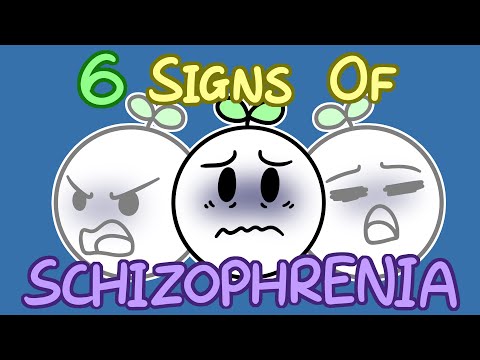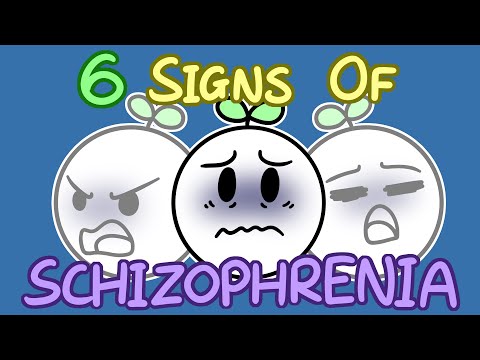
Alright, let’s talk about something that’s often misunderstood: schizophrenia. You might think it only pops up in movies or TV shows, but it’s a lot more common than you’d guess.
Early symptoms can be tricky to spot. Sometimes, they’re just little changes in behavior that can easily be brushed off or mistaken for something else. Like, you know when a friend starts acting a little distant or overly paranoid? It might not be a huge red flag, but it could be worth paying attention to.
Being aware of these signs is super important. The sooner someone gets help, the better their chances of managing it down the line. It’s all about connecting those dots before they become overwhelming, right? So let’s dive into what those early signs might look like and how to recognize them.
Identifying Early Warning Signs of Schizophrenia: A Guide for AP Psychology Students
Identifying early warning signs of schizophrenia can be super important, especially for AP Psychology students who want to understand how this complex disorder works. Schizophrenia is a serious mental illness that impacts how a person thinks, feels, and behaves. Spotting the signs early might help in getting the right support sooner.
One of the first things to know is that **schizophrenia typically emerges in late adolescence or early adulthood**. It’s often during these years you might notice some changes in someone’s behavior or thoughts. So, let’s break down some common early symptoms.
- Social Withdrawal: If someone who used to be social starts distancing themselves, it could be a red flag. They might stop hanging out with friends or lose interest in activities they once loved.
- Changes in Emotions: You might see someone show less emotion than before. They could seem flat, lack joy or excitement about things they used to enjoy, or even express emotions in odd ways.
- Cognitive Difficulties: Problems with concentration are common too. For example, if a student suddenly struggles with their studies or finds it hard to keep up with conversations—yeah, that can be concerning.
- Odd Behaviors: Sometimes people start acting strangely—like talking to themselves or having unusual beliefs that don’t seem connected to reality. You know how kids sometimes have imaginary friends? Well, if an adult starts talking as if they’re having conversations with people who aren’t there, that’s something to pay attention to.
- Perceptual Disturbances: This means they might see or hear things that aren’t there. It’s like having auditory hallucinations where they hear voices commenting on what they’re doing. That can be really scary for them!
- Neglecting Personal Hygiene: When someone who used to take care of themselves suddenly stops grooming and looks disheveled, that can signal trouble too.
It’s pretty essential to realize these symptoms don’t mean someone definitely has schizophrenia; like lots of mental health issues, it’s complex and varies from person to person.
Here’s a quick anecdote: think about a friend back in high school—let’s call her Sarah. She was bubbly and always ready for movie nights! But then she started skipping plans and became quieter at school. At first, we thought maybe she was just going through a phase or dealing with stress from exams. But over time she seemed more disconnected from everything around her and even began saying strange things about feeling watched by cameras everywhere! That was unsettling for her friends.
If you ever spot these warning signs in someone you care about—or even yourself—it’s important not to jump to conclusions but consider seeking help from professionals who can assess the situation properly.
In summary, being aware of these signs can make a difference! It helps foster empathy and understanding toward individuals struggling with these issues while applying what you’re learning about mental health in class!
Understanding Early Signs of Schizophrenia in Females: Key Indicators and Insights
Sure! Let’s chat about something pretty important—understanding early signs of schizophrenia, especially in females. It’s a complex topic, but I’ll break it down nice and easy so we can really get into it.
First off, schizophrenia is a mental disorder that can mess with how someone thinks, feels, and behaves. Recognizing the early signs can help tons in getting support and treatment sooner. So let’s look at some of those subtle indicators you might notice.
Social Withdrawal: One of the first things that can happen is pulling away from friends and family. You might see this in a girl who used to hang out with her pals all the time but suddenly starts spending more and more time alone.
Changes in Emotion: Another common sign is changes in emotional expression. She may seem flat or unresponsive, like she’s just going through the motions. For example, imagine someone who usually laughs at jokes but suddenly seems indifferent or only smiles occasionally.
- Unusual Beliefs: This includes having beliefs that seem strange or out of touch with reality. If she starts talking about things that seem really far-fetched or believes she has special powers—you should pay attention.
- Hallucinations: These can be tricky because they involve seeing or hearing things that aren’t there. For instance, if someone hears a voice calling her name when there’s no one around—that’s definitely something to note.
- Cognitive Issues: This might show up as trouble concentrating or remembering things. Maybe she starts struggling with schoolwork or has difficulty following conversations.
- Changes in Routine: Sometimes it’s as simple as skipping meals, neglecting hygiene, or changing sleep patterns drastically. If a girl was once organized and suddenly becomes chaotic about her day-to-day life—even if it seems small—it could be significant.
- Paranoia: Feelings of distrust toward others can pop up too. Like if she begins to believe people are plotting against her without any real evidence—that’s concerning.
What’s interesting is how these symptoms may manifest differently in females compared to males, you know? Research shows they often experience mood symptoms more prominently—like depression or anxiety—alongside the classic signs.
In my friend’s case, for example, she noticed her sister had become increasingly withdrawn and anxious about attending social gatherings. On top of that, she started claiming there were “bad vibes” coming from certain people which seemed bizarre at first glance but over time became more concerning.
Importantly, there’s no single checklist for schizophrenia; not everyone will show all these signs—and sometimes these indicators could relate to other issues like stress or another mental health condition.
The key takeaway is this: If you notice early signs like those mentioned above in yourself or someone close to you—it’s totally worth talking to a professional about it. Early intervention often leads to better outcomes.
Being aware of these subtle changes can make a real difference down the road! It’s all about looking out for each other and understanding what those early whispers of mental distress may mean.
Recognizing Early Signs of Schizophrenia in Males: A Comprehensive Guide
Recognizing early signs of schizophrenia can be tricky. This mental health condition often shows up in late teens to early adulthood, especially in males. But catching it early can make a huge difference. So, let’s explore some key points here!
Social Withdrawal: You might notice that a guy starts to pull away from friends and family, like he’s living in his own world. He could be skipping social gatherings or not responding to calls as he used to. It’s like he’s becoming a ghost in his own life.
Changes in Behavior: Sudden shifts in how someone acts can be a big red flag. Maybe he used to love playing video games with friends, but now he just stares at the wall for hours, looking distant or lost. And if he starts having unusual or strange behaviors, like talking to himself as if someone else is there, that’s worth paying attention to.
Altered Perceptions: One of the more pronounced signs is when reality seems different for him. This could show up as hearing voices or seeing things that others don’t hear or see. Imagine you’re hanging out and suddenly he’s reacting to something invisible—yeah, that’s alarming.
Cognitive Problems: You might see him struggling with concentration or memory issues. If he used to ace tests but now seems confused by simple tasks, it can be concerning. Maybe he’s having trouble keeping track of conversations or following movie plots.
Mood Changes: Drastic swings in emotions can also come into play. One moment he’s laughing; the next moment he’s down or irritable without any clear reason why. These emotional roller coasters aren’t just teenage angst—they could signal deeper issues.
Neglecting Responsibilities: Does he start missing school or work? Not taking care of personal hygiene? Things that used to matter seem unimportant all of a sudden? That could indicate something’s off.
Interacting with someone who’s showing these early signs isn’t easy—you might feel anxious about bringing it up because you don’t want to hurt their feelings. But it’s super important! If you suspect something isn’t right, gently suggest seeking help from a professional who knows about mental health issues.
These symptoms don’t guarantee schizophrenia is on the horizon—they’re just potential warning signs! Early intervention is key; recognizing these behaviors means getting help before things escalate further down the line.
Pay attention if you notice these changes over time because catching them earlier rather than later can really help someone get on the right track! So yeah, stay aware and keep communication open—it truly makes a difference!
So, let’s chat about something that isn’t always easy to talk about: schizophrenia. It’s a term that can bring up a lot of questions and misconceptions. But here’s the thing – recognizing the early symptoms is super important for anyone who might be facing this challenge.
Imagine you’re hanging out with a friend, let’s call him Jake. Lately, he seems a bit off – zoning out during conversations and laughing at things that don’t really make sense. At first, you think it’s just stress or maybe he’s going through something personal. But then you notice he starts talking about hearing voices that no one else can hear. Suddenly, this light-hearted hangout feels heavier.
Early signs can be tricky to spot; they often resemble regular teenage angst or just someone who’s being moody. But in hindsight, looking at Jake’s behavior through a different lens makes it clear there might be more going on. Changes in thoughts, feelings, or perceptions can sometimes feel like an untangling mess of confusing emotions.
You should keep in mind that everyone experiences mental health differently. Some common early symptoms could include withdrawing from social situations, feeling paranoid for no clear reason, or having strange beliefs – like thinking people are plotting against them when they’re really just scrolling their phones nearby.
The thing is, if you catch these signs early enough – like Jake did with your support – it helps a ton. You know? It opens up the conversation for seeking help and finding ways to manage and cope with what’s happening rather than waiting until things escalate into a crisis.
And while talking about schizophrenia can sound intimidating (because let’s face it, the stigma is real), fostering understanding helps break down those walls and encourages compassion instead of fear. So being aware of these early symptoms creates space for empathy and connection, which we all need more of in our lives!
In the end, keeping an eye on changes in our friends’ behaviors isn’t about turning into amateur detectives but more about showing we care when things get tough! It reminds us to pay attention not just to ourselves but also to those around us—because we all face battles no one else may see.