Hey, you know how some days just feel heavier than others? Like, no matter what you do, it’s like you’re walking through mud or something? Yeah, that can be really tough.
And for some folks, that feeling sticks around longer. It’s called depression, and man, it can be rough. Sometimes people try everything to shake it off—therapy, medication, you name it.
But there’s this thing called ECT, or electroconvulsive therapy. Sounds a bit sci-fi, right? But it’s got a history and it’s actually helped a lot of people regain their spark.
So let’s chat about how ECT works and why it might be worth considering if you or someone you know is struggling with those heavy vibes. Sound good?
Understanding ECT: Its Role and Efficacy in Treating Depression
Electroconvulsive Therapy (ECT) might sound scary or old-fashioned to some, but it’s actually a well-researched treatment for severe depression. Imagine feeling so low that nothing seems to help. That’s where ECT steps in as a lifeline for many.
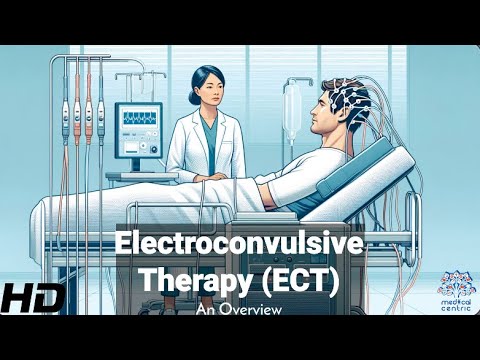
So, what exactly is ECT? Well, it involves sending small electric currents through the brain, which induces a brief seizure. The whole procedure typically lasts around 10 minutes! Patients are usually under anesthesia during this time, which makes it way less daunting than it sounds.
Now, you might wonder why on Earth someone would choose this method. Here’s the thing: ECT has been found to be effective for folks who haven’t responded to other treatments. You know how sometimes medications take ages to kick in or don’t work at all? For these people, ECT can show quick results—sometimes within just a few sessions.
There are some key points about ECT that are worth noting:
- Rapid Relief: Unlike antidepressant meds, which can take weeks to notice a change, ECT often helps people feel better more quickly.
- Effective for Severe Cases: It’s particularly beneficial for those with severe depression or who are experiencing suicidal thoughts.
- Minimal Side Effects: While there can be side effects like short-term memory loss, they often diminish over time and are usually less troublesome than the profound impact of chronic depression.
Let’s take Sarah’s story as an example. She battled severe depression for years and tried countless medications and therapy options without much success. After talking with her doctor about ECT, she took the plunge. Within just a few sessions, she noticed her mood lifting significantly! It was like lifting a heavy fog that had clouded her life for so long.
Of course, with anything related to mental health treatments, it’s important to have conversations with healthcare professionals beforehand. Everyone’s situation is different; what works wonders for one person might not be suitable for another.
Also worth mentioning is the protocol. Treatment usually happens two or three times a week over a few weeks. Afterward, some folks continue with maintenance sessions every few months to keep things on track.
In summary, understanding ECT is crucial if you or someone you know is grappling with severe depression. It’s not just an old-school remedy; it’s backed by research and can offer hope when other options have failed. So there you have it—ECT isn’t just about electrodes and shocks; it’s about helping people reclaim their lives from the grips of intense sadness.
Exploring the Impact of Electroconvulsive Therapy on Brain Neuroplasticity
Electroconvulsive Therapy, or ECT, has been a topic of discussion in mental health circles for decades. Some view it as a last resort, while others see it as a potential lifesaver for people battling severe depression. But what’s interesting is how this treatment impacts the brain, particularly its ability to adapt and change—a phenomenon known as neuroplasticity.
So, here’s the deal: neuroplasticity is the brain’s ability to reorganize itself by forming new neural connections throughout life. This means your brain can learn and adapt, no matter your age. It’s like if you learned to ride a bike; your brain changes its wiring to help you do that better next time.
When someone undergoes ECT, they receive small electric currents that induce seizures. Sounds intense, right? Well, studies suggest this process may kickstart neuroplastic changes. The really cool part is that these changes might help alleviate symptoms of depression and anxiety.
- Increased Neurogenesis: Research shows that ECT can promote the growth of new neurons in areas like the hippocampus—an area crucial for memory and mood regulation.
- Improved Connectivity: After ECT, some studies suggest enhanced connectivity between different brain regions which could contribute to better emotional regulation.
- Altered Neurotransmitter Levels: ECT may actually boost levels of neurotransmitters linked to mood improvement, such as serotonin and dopamine.
Let’s put this into perspective with an example: imagine someone who has been struggling with depression for years. They’ve tried everything—medications, therapy—but nothing seems to stick. After a few ECT sessions, they begin to notice brighter days; they feel more motivated and engaged with life again. That’s not just wishful thinking; it might be their brain reshaping itself thanks to neuroplasticity!
Also, it’s essential to address that while ECT has potential benefits for neuroplasticity and mood enhancement, it isn’t without risks. Side effects can include memory loss or confusion post-treatment—things worth discussing with healthcare providers.
In essence, evaluating ECT through the lens of neuroplasticity offers insights into how deeply intertwined our brains are with our emotions. As more research unfolds on this topic—and with ongoing advancements in both neuroscience and treatment methods—the future could hold even more hope for those feeling stuck in despair!
Understanding Electroconvulsive Therapy (ECT) for Treating Depression: Mechanism and Benefits
Electroconvulsive Therapy, or ECT for short, is a treatment that’s kinda like a last resort for severe depression. You know, when other treatments just aren’t cutting it? It involves sending small electrical currents through the brain to trigger a seizure. Yeah, I know that sounds intense. But the truth is, it can really help some people.
So how does it work? Well, the exact mechanism isn’t completely understood yet. Researchers think that the electrical stimulation can help reset the brain’s chemistry and improve neurotransmitter activity. In simple terms, it might just give your brain a little jolt that gets things working better again.
It’s not like flipping a switch and bam! you’re cured. There are several factors at play here. ECT is usually done in a series of sessions—typically two to three times a week for about 6 to 12 weeks. After treatment begins, many people report feeling much better really soon!
Now let’s get into some of the benefits.
- Rapid Relief: Unlike traditional medications that can take weeks to show results, ECT can often relieve symptoms in days.
- Severe Cases: It’s especially effective for those with major depressive disorder or treatment-resistant depression.
- Affects Mood: Research shows ECT can induce neuroplasticity—the ability of your brain to adapt and change—which helps improve mood long-term.
- Memory Effects: While there may be some memory loss immediately after treatment (like forgetting recent events), most people find their memory returns over time.
But it’s definitely not for everyone. There are risks and potential side effects, so doctors consider all these factors before recommending ECT. Some folks might feel anxious about the idea—it’s totally normal! But many who try it say they wish they had done it sooner because of how much better they felt afterward.
Imagine someone who was feeling trapped in their depression—a friend maybe—who reluctantly decided to try ECT after years of struggling with medication side effects and therapy sessions that seemed endless. After just a few treatments, they’re laughing again and reconnecting with their loved ones, feeling like themselves once more.
In short, while ECT might sound scary and dramatic on paper (or screen), it has helped countless people regain their lives from debilitating depression. So if you or someone you know is exploring options for treatment-resistant depression, ECT could be worth having on the table as part of an informed discussion with healthcare providers!
So, let’s talk about depression. It’s one of those things that can really weigh you down, right? You might feel stuck in a loop of sadness, fatigue, and a whole lot of frustration. I’ve seen friends go through it, and honestly, it can be heartbreaking. They try everything—therapy, medication, even lifestyle changes—but sometimes nothing seems to stick.
That brings us to this therapy called ECT or Electroconvulsive Therapy. Now, I know what you’re thinking: “Isn’t that the thing from horror movies?” Well, kind of! But the reality is way different from Hollywood’s version. ECT has evolved a lot over the years and is actually considered quite effective for severe depression when other treatments haven’t worked.
Let’s break it down a bit. Basically, ECT involves sending small electric currents through the brain while the person is under anesthesia. This might sound super intense, but many people report feeling much better afterward—sometimes almost immediately! It’s like flipping a switch in your brain that helps reset everything.
I remember one story about a friend who struggled with depression for years. She tried all sorts of medications and therapies without much luck. Then she decided to give ECT a shot after doing her research and talking to her doctor. At first, she was super nervous; seriously who wouldn’t be? But after just a few sessions, she started noticing changes—colors seemed brighter and she felt more hopeful about life again.
But here’s the deal: while ECT can be quite effective for some people, it’s not for everyone. It comes with its own set of risks and potential side effects—like memory loss or confusion—and these are important to consider when looking at treatment options.
The important takeaway is that mental health isn’t one-size-fits-all. It can be super complicated with lots of ups and downs along the way. If you or someone you know is battling with depression and feels like they’ve hit a wall with other treatments, maybe ECT could be part of their journey? But always chat with a medical professional first!
In the end, whether it’s therapy sessions or something like ECT, what matters most is finding ways to lighten that load of depression so life feels bearable again—even joyful at times. And hey, if someone finds their light at the end of that tunnel through any means necessary? That’s something worth celebrating!