So, you know how sometimes life just feels like a heavy rain cloud? Yup, depression can really hit hard. And when we’re talking about treatment, it’s not always one-size-fits-all.
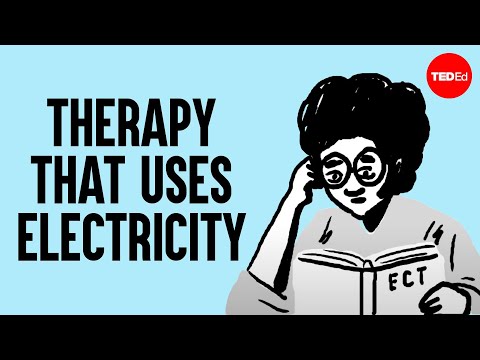
That’s where ECT, or electroconvulsive therapy, comes in. Sounds intense, right? But trust me; there are some innovative ways it’s being used these days that aren’t what you might expect.
It’s pretty cool to see how things have evolved. New techniques are making it less scary and way more effective for folks who’ve been struggling.
Stick around! You might just find that these fresh approaches could be a game changer for many battling the blues.
Exploring the Neurological Impact of ECT: Does Electroconvulsive Therapy Rewire the Brain?
Electroconvulsive Therapy (ECT) has been a bit of a hot topic, right? It’s one of those things that people hear about and often have strong opinions on. So, what’s the deal with ECT and its neurological impact? Let’s break it down.
First up, ECT is mainly used to treat severe depression. It’s often considered when other treatments haven’t worked out. The process involves sending small electrical currents through the brain while you’re under anesthesia. Sounds intense? Well, it can be! But what really interests us here is how this all affects your brain.
When ECT is done, it causes a controlled seizure. This might sound scary, but it actually helps your brain in several ways. During the seizure, there are changes in brain chemistry that can boost neurotransmitters like serotonin and dopamine—those little guys are key for mood regulation.
Now, what about rewiring? Some studies suggest that ECT can promote neurogenesis, which basically means the creation of new brain cells. This can be super important for folks with depression who may not have enough of these cells functioning properly.
Another aspect to consider is neuroplasticity. This fancy word refers to the brain’s ability to change and adapt throughout our lives. Research indicates that ECT may enhance neuroplasticity, allowing the brain to form new connections and pathways. So yeah, in a way, you could say that ECT does help rewire certain areas of your brain.
But don’t forget about potential side effects! Memory loss is probably the most talked-about issue related to ECT. While some patients may experience short-term memory problems after treatment—like forgetting recent events or conversations—many find their memory improves over time as they recover from depression.
Here are a few key points when thinking about ECT’s impact:
- Improves Neurotransmitter Levels: Boosts mood-related chemicals.
- Promotes Neurogenesis: Helps create new brain cells.
- Enhances Neuroplasticity: Encourages new connections in the brain.
- Possible Memory Effects: Can cause short-term memory loss but often improves later.
In short, while ECT does have its challenges, it also shows promise in rewiring aspects of the brain related to mood and mental health. It’s not a cure-all by any means but can be a crucial tool for some facing severe depression.
So there you go—the science around ECT isn’t just about sparks flying; it’s more like your brain getting a little reset button pushed! Pretty interesting stuff when you think about it!
Understanding the Disqualifications for Electroconvulsive Therapy (ECT)
Electroconvulsive Therapy, or ECT, is often seen as a last resort for treating severe depression or other mental health issues. While it can work wonders for some, not everyone is eligible. Disqualifications for ECT exist to protect patients and ensure the treatment is safe and effective. Let’s break down some of these disqualifications.
Medical Conditions: Certain physical health issues can really complicate things. For instance, if you have a serious heart condition, like arrhythmias, ECT might not be the best fit. The process involves inducing seizures which can stress the heart. So doctors will usually carry out thorough evaluations before making any decision.
Neurological Disorders: If you have conditions like epilepsy or a history of seizures, this could also disqualify you from ECT. The thing is that while ECT causes controlled seizures to help with depression, it may exacerbate existing seizure disorders. It’s kind of a tricky situation.
Recent Stroke: Anyone who’s had a recent stroke should be cautious about considering ECT. After a stroke, the brain is really sensitive and undergoing changes that could make the effects of ECT unpredictable or even harmful.
Pregnancy: Pregnant women are often advised against getting ECT simply due to potential risks to both the mother and fetus. The research isn’t definitive enough to guarantee safety during pregnancy.
Psychotic Disorders: If someone has ongoing psychosis, like schizophrenia that’s not managed well with medication, they might not qualify for ECT since it could complicate their mental state further.
One time I remember hearing about a friend’s family member who was really struggling with depression but was also dealing with heart issues. They were hopeful about trying ECT because they’d heard about its effectiveness but ended up finding out that their heart health made them unsuitable candidates. It was disappointing but ultimately for the best.
It’s important to remember that these disqualifications aren’t absolute; every case is unique! You might find that an evaluation will consider individual circumstances in depth.
So there you go! Understanding why certain individuals may be disqualified from Electroconvulsive Therapy helps shed light on how doctors approach treatment carefully and thoughtfully—always prioritizing safety above all else!
Exploring the New Miracle Antidepressant: Impacts, Benefits, and Research Updates
There’s a lot of buzz about new treatments for depression lately, and one topic that keeps popping up is Electroconvulsive Therapy, or ECT. While it might sound a bit outdated or even scary, there have been some pretty innovative approaches that could change the game for people struggling with severe depression. Let’s break this down.
First off, ECT used to have a bad reputation. You might’ve seen dramatic portrayals in movies where it’s portrayed as something like torture. But the reality is far from that! In simple terms, ECT involves sending small electric currents through the brain to trigger a brief seizure. This surprisingly can lead to significant improvement in mood for many folks who don’t respond well to traditional medications.
Now, when we talk about innovative approaches, one exciting development is the use of targeted ECT. Instead of applying it broadly, doctors can now focus on specific areas of the brain. This not only helps reduce side effects but also boosts the chances of effectiveness. Imagine trying to fine-tune a radio rather than just blasting sound everywhere—it’s kind of like that!
Another aspect worth mentioning is dosage adjustments. Previously, ECT was often viewed as a one-size-fits-all treatment. However, recent research suggests that tailoring dosages to individual needs leads to better outcomes. It’s like how some people need more caffeine to feel awake—what works for you might not work for someone else.
And let’s not forget about timing! Recent studies are looking at how frequency and timing of treatments might impact recovery rates. Some folks are finding that going for shorter sessions more frequently can actually help stabilize their mood quicker than the old method of longer gaps between treatments.
So what about benefits? Well, many people report feeling relief from symptoms faster than they would with conventional antidepressants—sometimes in just a few sessions! That’s pretty huge for someone stuck in the clutches of severe depression who has tried what feels like everything else without success.
Now, I get it; you might be wondering about side effects since that seems like a common worry with any treatment involving electricity buzzing around your brain. Traditionally, memory loss was one of the biggest concerns with ECT. But newer techniques have shown promise in minimizing these effects significantly — which means more effective treatment without sacrificing your memories!
In terms of research updates, there are ongoing studies focusing on understanding exactly how ECT works at a neurobiological level. Scientists are trying to unravel why this method helps people when other treatments don’t seem effective enough.
To sum it up:
- ECT has transformed over time into a more sophisticated treatment option.
- Targeted and tailored approaches are changing how we think about its application.
- A faster response time compared to traditional antidepressants could be life-saving.
- The focus on minimizing side effects is making this therapy more appealing.
- Research continues, aiming to enhance our understanding and effectiveness.
So if you or someone you know is struggling with depression and hasn’t found relief through standard treatments, exploring these innovative ECT methods could be worth discussing with healthcare professionals. It may not be magic per se, but it sure sounds like progress!
So, you know, when we talk about treating depression, there are a lot of options out there. Medications, therapy, lifestyle changes—you name it. But one that sometimes gets overlooked is ECT, or electroconvulsive therapy. Now, I’ve read that people can have some pretty strong feelings about it. I mean, the old-school image of ECT isn’t exactly warm and fuzzy. It often conjures up that classic movie scene where someone gets shocked and everything seems chaotic.
But here’s the thing. Over the years, ECT has evolved a ton. Innovative approaches make it more targeted and less intense than what folks might imagine. For example, there’s this thing called “ultrabrief” ECT that uses shorter pulse durations. Many say it leads to fewer side effects and quicker recovery times! Imagine going in for treatment and feeling almost back to normal after just a short time instead of being groggy for ages.
A friend of mine had such a hard time finding relief from her depression after trying several medications. She was desperate—crying on the phone with me about how nothing seemed to work. Then she decided to give ECT a shot. Honestly? I was worried about her since all those old images were stuck in my head too. But she came through the other side with a new lease on life!
It’s not just about the process but also how healthcare providers are now more focused on what patients want and need during treatment. They explain every part of it so well that you feel like you’re part of the journey instead of just being pushed along blindly.
There’s even research pointing to combining ECT with other therapies which might enhance its effects further—like pairing it up with psychotherapy right after treatment! You see how people are getting really creative in using this method? It’s kinda cool if you think about it.
This whole innovation in approaches is really something worth noting because mental health should never feel like a one-size-fits-all deal, right? Each individual is unique—so having different paths toward healing is crucial as we navigate these tough waters together.
So yeah, while some may still raise an eyebrow at ECT due to its history, I think it’s safe to say that modern approaches are doing their best to leave those outdated fears behind and focus on genuinely helping people reclaim their lives from depression!