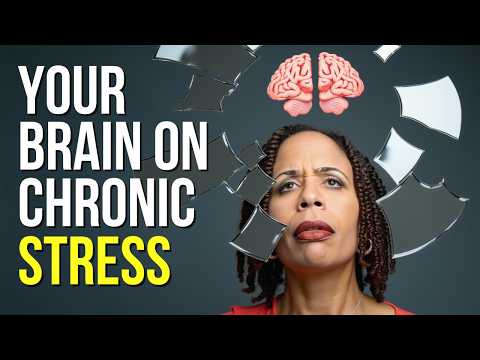
You know that feeling when your heart races, and your mind won’t give you a break? Yeah, that’s anxiety kicking in.
It’s funny how something so mental can hit you in the gut. Stress and anxiety don’t just mess with your head; they take a toll on your body too.
Imagine this: You’re juggling work deadlines, family stuff, and maybe a personal crisis. Your body’s like, “Whoa! What’s happening?” Suddenly, you’re tired all the time, or maybe you feel sick more often.
That’s not just in your head—your body is seriously reacting. So let’s chat about that connection between what we feel up there and what’s going on down here. Curious? Let’s dig in!
Understanding the Legal Implications of Stress-Related Illnesses: Navigating Claims and Rights
Stress is one of those sneaky things that can really mess with your body. You might think it’s just in your head, but seriously, stress can lead to some pretty serious health issues—like anxiety disorders, heart problems, and even autoimmune diseases. When you start connecting the dots between stress and physical well-being, it’s like opening a whole new world of understanding how our minds and bodies work together.
Getting into the legal side of things, stress-related illnesses can become a big issue, especially in work environments. If you feel like your job is pushing you to the edge and it’s affecting your health, you might have rights that could protect you. Basically, depending on where you live, employers have some responsibility to make sure their workers are safe and healthy.
Here’s where it gets interesting: legal claims. When someone suffers from stress-related illnesses due to their workplace conditions—like harassment or excessive workload—they may be able to file for workers’ compensation. This claim helps cover medical expenses or even lost wages.
Here are some important points about this:
- Documentation is key: Keeping track of your symptoms and how they relate to work can help support your claim.
- Get a professional diagnosis: A doctor can provide evidence that links your health issues directly to stress in the workplace.
- Know your rights: Depending on local laws, you might have protections under occupational health regulations or disability rights.
Let’s say Sarah works at a super demanding job where her boss constantly throws more responsibilities her way without any recognition—sounds familiar? After weeks of sleepless nights and anxiety attacks about deadlines, she finally ends up at the doctor’s office diagnosed with severe anxiety disorder. If Sarah documents everything—from her conversations with her boss to how long she’s been feeling this way—she’d have a higher chance of navigating a legal claim successfully.
Another thing to keep in mind is that sometimes workplaces will offer Employee Assistance Programs (EAPs). These programs are designed to help employees deal with personal problems that might affect their job performance. Using these resources doesn’t just show you’re proactive; they may also help if you find yourself needing legal support later on.
And hey, mental health days? They’re becoming more recognized! Some companies are even starting to offer mental health days off without penalty. That said, not every employer is on board yet. Knowing whether or not you have access to these types of benefits can play an important role if you’re considering a stress-related claim.
But let me tell ya—navigating this stuff isn’t always easy. Jurisdiction matters; laws differ widely by region and country. Not to mention your specific situation plays a huge role too! If you’re feeling overwhelmed just thinking about all this jargony stuff (which is totally normal!), it might be helpful to chat with someone who knows their way around these legal waters.
Stress has very real effects—physically and legally—and being informed about your rights can make all the difference when dealing with its aftermath. So keep an eye out for red flags in both your health and workplace environment!
Understanding the Physical Symptoms of Stress: How Stress Manifests in the Body
Stress can really take a toll on your body, and it’s not just about feeling overwhelmed or anxious. When you’re stressed out, your body reacts in ways that might surprise you. Seriously, it’s like your body is throwing a mini tantrum. Let’s break down how stress shows up physically.
Muscle Tension
First off, have you ever noticed how your shoulders creep up to your ears when you’re stressed? That’s muscle tension doing its thing. Your body’s way of preparing to fight or flee from whatever’s stressing you out. Over time, this can lead to headaches or even chronic pain if you don’t find ways to relax those muscles.
Heart Rate Changes
Your heart might race like it’s in a marathon when stress kicks in. It’s true! Increased heart rate is pretty common during stressful moments because your body thinks it needs more blood pumping to deal with a threat. This doesn’t just feel uncomfortable; if it keeps happening, it can mess with your overall heart health.
Digestive Issues
Now let’s talk about your stomach. Ever felt nauseous or had an upset tummy before a big event? Stress messes with digestion too! It can cause everything from diarrhea to constipation. That tight knot in your stomach? Yup, that’s stress talking.
Respiratory Changes
Breathing patterns shift when you’re stressed as well. You might find yourself taking quick, shallow breaths instead of deep ones. This can leave you feeling dizzy or light-headed at times—definitely not ideal for handling tough situations.
Sweating and Skin Reactions
Then there’s sweating. Some people start sweating more than usual when anxious. It makes sense—your body thinks it’s gearing up for battle! But this can also lead to skin issues like rashes or acne flare-ups because stress messes with hormones too.
Your Immune System Takes a Hit
And here’s the kicker: prolonged stress affects your immune system. When you’re constantly under pressure, it weakens your body’s defenses. So, yeah, that cold you’ve been battling longer than usual? Stress could be playing a role there!
In short, the physical symptoms of stress are super varied and very real. They manifest in many ways—muscle tension, racing heart, digestive problems—you name it! If you’ve felt any of these things while juggling life’s demands, know that you’re not alone and that understanding these signs is the first step toward managing them better.
So next time you feel that weight on your shoulders or a flutter in your chest, remember it could be stress making its presence felt in the most physical ways possible! Isn’t it wild how our minds and bodies are so connected? It’s all part of being human!
Understanding the Impact of Stress on Mental Health: Insights and Strategies
Stress is one of those things that, let’s be real, hits us all at some point. It’s like that annoying friend who just won’t take the hint to leave your life. You know what I mean? It’s not all bad; a bit of stress can actually keep you sharp and motivated. But when it builds up? Oh man, it can really mess with your mental health and even your physical well-being.
So, what exactly happens when stress levels start to climb? Well, first off, your body goes into this “fight or flight” mode. Imagine you’re back in the wild facing a saber-toothed tiger—your heart races, breathing speeds up, and adrenaline pumps through your veins. It’s super useful in short bursts but living in that mode can be exhausting.
When stress sticks around for too long – we call this chronic stress – it doesn’t just hang out in your mind; it crashes the party in your body too. Here’s how:
- Anxiety: Ever feel that gnawing worry that just won’t quit? Chronic stress ramps up anxiety levels big time.
- Sleep Issues: Stress can turn bedtime into a battle zone. Racing thoughts often keep you staring at the ceiling instead of dreaming.
- Physical Symptoms: Headaches, stomachaches, and fatigue are just some physical manifestations of too much stress.
- Immunity Drop: High stress can weaken your immune system—making you more prone to colds and other illnesses.
- Skin Problems: Believe it or not, stress can trigger breakouts or flares in conditions like eczema.
Here’s where it gets real: consider a time when exams were looming or work was overwhelming. Maybe you felt like everything was piling up at once. That constant tension left you drained by day’s end—and even convinced yourself those headaches were due to anything but stress.
Now let’s chat about ways to tackle this uninvited guest called stress:
- Meditation & Mindfulness: Taking a few moments to breathe deeply and focus on the here and now can seriously chill out your mind.
- Physical Activity: Whether it’s a brisk walk or hitting the gym, moving your body releases built-up energy and helps clear your head.
- Social Support: Sometimes just talking about what’s stressing you out with friends helps lighten the load.
- Healthy Coping Mechanisms: Instead of reaching for junk food or binge-watching another season of whatever show is trending, try picking up a hobby or reading!
- Professional Help: If you find yourself feeling overwhelmed regularly, chatting with a therapist could provide some great insights.
The thing is: we’re all wired differently when it comes to handling stress. What works wonders for one person might not do much for another! So it’s crucial to experiment until you find what helps *you* best.
Stress isn’t going to disappear overnight—it’s part of life! But understanding its impact on mental health gives you that little bit of power back. You get to choose how you’re going to respond and cope—so why not take charge? After all, life should be lived fully—not just survived!
You know, anxiety is one of those things that can sneak up on you. One moment, you’re just trying to get through your day, and the next, it feels like a heavy weight pressing down on your chest. Stress can seriously mess with your body in ways that might surprise you. It’s like, one minute you’re feeling fine, and the next, a pile of worries turns into headaches or stomach issues.
I remember this one time when I had a huge presentation at work—totally nerve-wracking! I was stressing so much about it that I ended up with this awful stomach ache. I thought it was just nerves, but man, my body was literally reacting to the mental chaos. It’s wild how stress can shift from being a mental game to a physical showdown so quickly.
So here’s the thing: when you’re anxious, your body kicks into high gear. Your heart races like it’s running a marathon; your muscles tense up as if they’re preparing for some epic battle. What happens is this constant state of alertness leaves you feeling drained over time. You might end up experiencing fatigue or insomnia—not fun at all!
And that’s not even touching on how stress can impact things like your immune system or digestion. Your body kinda gets confused and starts reacting more intensely to everyday stuff because it thinks everything’s a threat. It’s exhausting!
But it’s not just about feeling bad physically; there’s this emotional toll too. You could start isolating yourself from friends or skipping out on things you love because you’re just worn out from managing all that stress.
Coping with anxiety is definitely not simple—it takes awareness and effort! But realizing that what’s happening in your mind isn’t separate from what’s happening in your body can be such an eye-opener. It reminds us to take care of ourselves holistically—mind and body working together instead of against each other.
At the end of the day, just acknowledging what anxiety does to us can be a step toward finding better ways to manage it—for both our minds and our overall health!