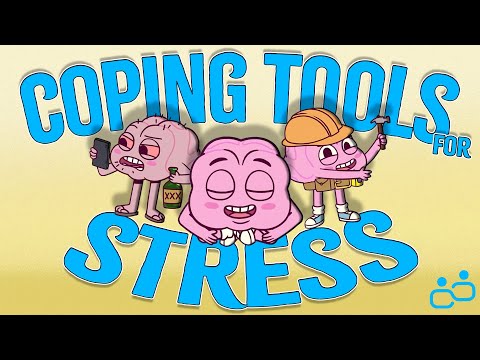
Stress is one of those things we all experience at some point. You know, that tight feeling in your chest or the knot in your stomach? Yeah, that’s stress.
It can creep up quietly or hit you like a freight train. And let me tell you, it doesn’t just hang around in your head. Nope, it can really mess with your body too!
Have you ever noticed how when you’re stressed, you get headaches or maybe even feel super tired? It’s like your body has a meltdown while your mind races a mile a minute.
That connection between what goes on upstairs and what happens with our physical health? It’s wild but totally real! So, let’s chat about all those sneaky ways stress plays tricks on us physically.
Understanding the Psychological Impact of Stress: Insights and Implications
Stress is like that annoying friend who just won’t leave your side. You know, the one who crashes your party and keeps you on edge? It can show up in anyone’s life and it can hit hard. When stress levels rise, it’s not just your mood that takes a dive; your whole body can start feeling the effects too. Let’s break down how stress messes with us psychologically and physically.
First off, stress triggers a response in your brain. You might have heard of the fight-or-flight response. When you’re stressed, your brain releases hormones like adrenaline and cortisol. These hormones prepare you to react quickly to danger, but when there’s no actual threat, like being chased by a lion, well… those hormones can lead to trouble. Too much cortisol over time can contribute to anxiety, depression, and other mental health issues.
Your emotions take a hit. It’s pretty common when you’re under stress to feel overwhelmed or irritable. Imagine trying to focus on juggling work deadlines while dealing with family problems; it creates this emotional cocktail that’s hard to manage. You might find yourself snapping at friends or feeling super anxious for no reason at all.
But wait, there’s more! Stress doesn’t just stop there; it also impacts your physical health in ways you probably didn’t expect. Chronic stress can mess with your sleep patterns—ever had nights where all you do is toss and turn? It’s not fun but lots of folks experience insomnia or restless sleep when they’re under pressure.
Then there’s the whole immune system thing. Stress weakens! With consistent high levels of cortisol running through you like a streaker during a football game, your body becomes less effective at fighting off illnesses. So that cold you’ve been dodging? Stress could be making it more likely that it’ll grab hold of you.
You see how intertwined everything is? Your mental health and physical health are buddies—they affect each other constantly! For instance, let’s say you’re stressed about work, which leads to poor eating habits (hello late-night pizza), and then you’re too tired to exercise regularly—that’s a cycle that keeps feeding itself!
Social relationshipsalso take a nosedive when you’re stressed out. You might retreat from friends or family because you’re feeling overwhelmed or just don’t want to deal with anyone else’s problems on top of yours! This isolation can deepen feelings of loneliness and anxiety.
So what’s the takeaway here? Basically, understanding how stress impacts us psychologically helps highlight the importance of managing it before it spirals out of control. Taking time for yourself isn’t selfish; it’s necessary! Consider relaxation techniques like deep breathing exercises or mindfulness practices—stuff that helps lower those pesky cortisol levels and makes life feel less chaotic.
To sum up: The psychological impact of stress stretches across emotions, relationships, sleep patterns, physical well-being—you name it! Recognizing its implications helps create awareness about what we’re feeling—and opens doors towards better coping strategies for life’s ups and downs.
Understanding the Physical Symptoms of Stress: How Stress Impacts Your Body
Stress is this crazy thing that sneaks up on you. It can mess with your mind, but guess what? It’s also got a huge impact on your body. Seriously, when you’re feeling stressed, your body’s like, “Oh no! Time to freak out!” And this leads to a bunch of physical symptoms that are pretty common, but not everyone connects the dots.
What happens is when you’re stressed, your brain releases hormones like cortisol and adrenaline. These are your body’s alarm bells. Imagine you’re in a one-on-one basketball game and suddenly the other player lunges at you. You’d get that rush of energy to run or dodge, right? That’s kind of how stress works. But when it’s steady—like work deadlines or personal issues—your body doesn’t know how to turn off that alarm.
- Headaches: Stress often leads to tension headaches or migraines. You might feel tightness around your forehead or the back of your neck. Ever had one of those days where everything seems overwhelming? Yeah, those headaches can sneak up fast.
- Muscle Tension: Your shoulders might feel super stiff or maybe you notice tightness in your jaw. This is because stress makes your muscles ready for action—and they stay tense even when there’s no threat anymore.
- Digestive Issues: Stress can totally mess with your stomach too! You could experience anything from nausea to diarrhea because the digestive system gets all confused under stress.
- Heart Problems: Ever felt like your heart’s racing just thinking about an upcoming event? Stress increases heart rate and blood pressure over time. Not something you want hanging around for too long!
- Sleepless Nights: When stress kicks in, it can be hard to wind down at night. You might lay awake thinking about everything on your plate instead of catching those Zs.
Think about a time when you were really stressed out—maybe during finals week in school or planning a big move—and how it affected you physically. Maybe you noticed headaches popping up or found yourself more fatigued than usual.
One fascinating thing is how long-term stress can lead to chronic health issues like cardiovascular diseases or autoimmune conditions over time. Your body can’t keep doing its fight-or-flight response indefinitely without some serious consequences.
The key takeaway here? Pay attention to how stress shows up in your life—not just mentally but physically too! Recognizing these symptoms is the first step toward managing them better because ignoring them won’t help anyone in the long run.
So next time you’re feeling that weight on your shoulders (or elsewhere), consider taking a step back and figuring out what’s really going on inside—not just mentally, but physically as well!
Understanding the Long-Term Effects of Stress on Physical Health: Key Insights and Implications
Stress is something we all deal with at one time or another, right? But have you ever thought about how it can mess with your body in the long run? Well, buckle up because we’re diving into the long-term effects of stress on physical health.
First off, stress doesn’t just live in your brain. It trickles down into your body, messing with everything from your heart to your immune system. Basically, when you’re stressed, your body releases hormones like cortisol and adrenaline. In small doses, these guys are super helpful—they prep you for a challenge or danger. But when they hang around too long, they can cause big problems.
One major area is your heart health. Ongoing stress can raise blood pressure and lead to issues like heart disease. Picture this: you’re racing against a deadline at work for weeks on end. Your heart’s pumping fast and the pressure builds up—over time, that takes a toll.
Then there’s weight gain or loss that often sneaks in with stress. You might find yourself reaching for comfort food when you’re feeling overwhelmed or losing your appetite completely when life gets heavy. This yo-yoing can seriously mess with your metabolic health.
Your muscles don’t get a break either! Under constant stress, they tend to stay tense and tight—think about how you might feel after a long day at work where you’re hunched over a computer. If it becomes chronic, this tension can lead to pain and even conditions like fibromyalgia.
And let’s not skip over the immune system! Stress is literally like waving goodbye to your body’s defenses. Research shows that prolonged stress makes you more susceptible to illness because your immune response gets weakened. So if you’re constantly stressed out, get ready for those pesky colds!
Now let’s chat about digestion because this one’s wild too! Stress messes up how well our digestive tract works—it could mean everything from acid reflux to irritable bowel syndrome (IBS). You know when you feel anxious before giving a presentation? That knot in your stomach is real and if you’re continually stressed, it can lead to serious tummy troubles.
Mental health also dives headfirst into this mix; long-term stress often leads to anxiety disorders or depression. And here’s something that hits home: relationships often suffer during these high-stress phases—when we’re stressed, we might snap at loved ones or withdraw entirely.
So what do all these effects mean for us? Recognizing the signs of chronic stress is crucial because it opens up conversations about managing it better—we’re talking things like exercise, mindfulness practices, and actually taking breaks when life feels overwhelming.
In short: stress isn’t just “in your head.” Remember that it’s intertwined with our physical well-being too! So next time life throws something tough at you, think about not only how it affects your mood but also what it could be doing to your body over time.
And that’s something worth pondering!
Stress is one of those things that feels like it sneaks up on you, doesn’t it? One moment, you’re cruising through your day, and the next, it’s like there’s an elephant sitting on your chest. You know what I mean?
Think about a time when you felt super stressed—maybe it was a tough deadline at work or dealing with family drama. Your heart races, your head spins, and suddenly, you’re not just stressed in your head; your body feels it too. You might get a headache or even feel nauseous. This connection between your mind and body is stronger than we often realize.
You see, stress triggers this whole cascade of reactions in our bodies. Cortisol levels go up, heart rates increase; it’s like an alarm system going off! And while this can be helpful in dangerous situations—like when you’re trying to avoid that crazy driver—it can be a real problem when stress becomes constant or chronic.
I remember a friend who always seemed to be juggling way too much. Work was demanding, and he had personal issues piling up too. Over time, he started having trouble sleeping and even noticed his back hurting all the time. I mean, he didn’t make any changes to his fitness routine or anything—just the stress alone was doing a number on him! It was eye-opening to see how quickly stress could turn into physical symptoms.
But what’s interesting is how individual this whole experience is. Some people get digestive issues when they’re stressed; others might find themselves catching every cold going around because their immune system takes a hit. Your body kind of speaks its own language about what stress looks like for you.
And then there are those moments when we try to cope with our stress in not-so-great ways—maybe you grab junk food for comfort or skip exercise because who has the time? That just adds another layer to everything! This cycle can feel endless if you’re not careful.
So yeah, it’s essential to realize how intertwined our mental world and physical health really are. Managing stress isn’t just about feeling better mentally; it can keep your body healthy too. Whether it’s taking a few minutes to breathe deeply or hitting the gym for some relief—you’ve got options! The thing is recognizing where you are with your stress levels before they create chaos in both your mind and body.