You know those days when you just wake up feeling kind of off? Like, everything feels heavy and gray? That’s your emotions talking loud and clear. It’s wild how much they can shape not only how we think but also what we do.
Think about it. Ever burst into tears at a sad movie? Or felt totally pumped after a good workout? Emotions aren’t just background noise; they’re more like the soundtrack to our lives.
And honestly, they can flip your thoughts upside down or push you to take action—or not. Sometimes, you might even find yourself acting totally out of character because of how you’re feeling at that moment.
So, let’s dive a bit into this emotional rollercoaster. It’s all about understanding how our feelings play tricks on us and steer our behavior in ways we might not even realize!
Exploring the Impact of Emotions on Thought Processes: A Comprehensive Analysis
Emotions play a big role in how we think and behave. You might not realize it, but when you feel something strong—like happiness or anger—it can totally change how you process information. It’s pretty interesting, really. Imagine you get a text from a friend saying they’ve canceled plans. If you’re feeling calm, you might take it in stride and just make new plans. But if you’re already stressed from work? That message could send you spiraling into frustration.
Emotional state influences cognition. When you’re happy, your brain tends to think more creatively and positively. You’re more likely to come up with solutions to problems because everything feels possible! On the flip side, when you’re anxious or sad, your thought patterns might narrow down. You focus more on what’s troubling you rather than thinking outside the box.
Some researchers talk about something called cognitive bias. This means that your emotions can color how you view situations. For instance, if you’re feeling down, any small setback can seem huge—like a mountain! But if you’re in a good mood? Those same setbacks might feel like tiny speed bumps.
Here’s an example: Think about those times when you’ve had a rough day and everything feels off. Maybe someone criticizes your work, and it stings more than usual because you’re already feeling low. Your brain is working overtime to find meaning in that feedback through the lens of your current emotion.
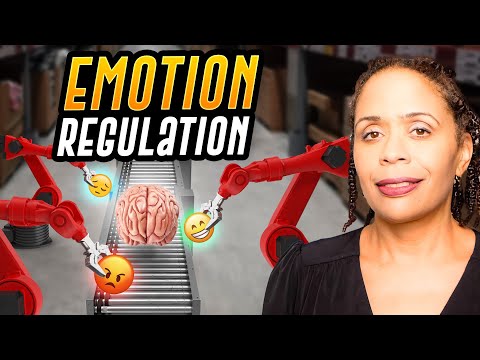
Another key point is emotional regulation. This is all about how well you handle your feelings and their effects on your thoughts. If you’ve got good emotional regulation skills, you can recognize when anger or sadness is messing with your thinking and take steps to calm down before reacting.
- Positive emotionsmake problem-solving easier.
- Negative emotionscan lead to distorted thinking.
- Cognitive biasesaffect our perception based on feelings.
- Emotional regulationhelps manage our responses effectively.
So let’s say you’re preparing for a big presentation at work. If you’re excited about sharing ideas, that enthusiasm will reflect in how clearly and confidently you present them! However, if nerves kick in because you’re scared of failing? Your thoughts might race uncontrollably—making it hard to remember key points.
All in all, emotions are like the filters through which we see everything around us: ourselves, others, situations—all of it! Recognizing this connection can help us be kinder to ourselves when we’re struggling with tough emotions or need a little boost during challenging times. It’s all part of being human!
Understanding Delayed Anger: Causes, Effects, and Management Strategies
Delayed anger can be a tricky thing to navigate. You know how sometimes you feel fine during an argument, but later, when you’re by yourself, it all comes rushing back? That’s what delayed anger is all about. This kind of anger doesn’t show up right away; it sneaks in at a moment when you least expect it.
So, what causes delayed anger? Well, there are a few culprits that can lead you down this path. First off, avoidance plays a big role. When conflict arises, some people choose to bury their feelings instead of confronting them head-on. By doing this, they might think they’re diffusing tension but instead create a pressure cooker that eventually explodes.
The effects of holding onto that delayed anger can be pretty intense. It not only messes with your emotional state but can also affect your physical health. You might find yourself feeling anxious or even depressed as the repressed feelings begin to bubble up.
So how can you manage this delayed reaction? Here are some strategies that might help ease the tension:
A small anecdote: I once knew someone who would get angry over little things but never told anyone—like when their roommate used the last bit of milk without replacing it. Rather than saying anything at the moment, they’d stew about it for days! Eventually, that tiny annoyance turned into rage…for something completely unrelated! Once they started expressing their feelings more openly—even just saying “Hey, could you replace the milk next time?”—it changed everything for them.
If you’re dealing with delayed anger, remember it’s okay to feel angry—it’s a natural human emotion! Just make sure not to let it fester inside until one day it explodes out in unexpected ways!
Understanding the Shutdown Response in Individuals with PTSD: Insights and Implications
The shutdown response in individuals with PTSD is a really complex reaction. When you think about it, it’s like their brain goes on high alert, and when things get too overwhelming, it just… shuts down. Imagine being at a concert where the music is too loud. At first, it’s exciting! But then, as the noise becomes deafening, you just want to escape. That’s kind of how it feels for someone experiencing this shutdown.
This response can be triggered by various factors—loud noises, crowded places, or even certain conversations that remind them of traumatic events. The thing is, these triggers can seem small or even silly to someone who hasn’t been there. But for someone with PTSD? They’re like landmines waiting to go off.
- Emotional Numbing: One big part of this shutdown effect is emotional numbing. It’s like a protective barrier that goes up around their feelings. For instance, they might not feel happiness when they used to love something—like that favorite movie or cozy evening with friends.
- Cognitive Blocking: Their thoughts can freeze up too! Imagine trying to think of something important but your mind suddenly feels blank. It’s not because they don’t want to think; it’s just that their brain can’t handle more input without feeling overwhelmed.
- Physical Symptoms: There are physical signs too! Heart racing, sweating, or feeling dizzy are all signs that the body is reacting strongly. Picture this: you’re sitting with friends and laughing but then suddenly feel an intense wave of dizziness—not fun at all!
Why does this happen? When someone has PTSD, their brain often operates on a different level than those without such experiences. Areas involved in processing emotions can become overactive and lead to that fight-or-flight response kicking in way too soon—like pulling the emergency brake on a train before it’s anywhere near the station!
You know how sometimes when you’re stressed out about school or work and you zone out? That’s what happens here but at a much larger scale. This shutdown doesn’t mean they’re lazy or uninterested; they’re genuinely struggling under the weight of their emotions.
This isn’t just about them dodging stress; it’s also got serious implications for relationships. Friends and family might feel confused when someone they love suddenly pulls away or seems disinterested in what’s happening around them. They might take it personally when really—it’s more about the internal battle going on.
- Communication Breakdowns: It can be hard for them to express what they’re feeling when they shut down. So if you’re talking to someone who seems distant while discussing feelings or memories tied to trauma… well, that’s part of their struggle.
- Sensitivity in Relationships: Understanding these responses can be crucial for maintaining healthy relationships with loved ones affected by PTSD.
The bottom line here? The shutdown response serves as a protective mechanism—a way for individuals coping with trauma to safeguard themselves from further emotional pain.
It’s essential for those around them to recognize these signs and respond with empathy rather than frustration.
If you find yourself dealing with someone who has these responses frequently, try creating safe spaces that allow them moments of calmness and security—wherever possible! It helps them navigate through tough times while feeling supported. Everyone deserves understanding; we all have our battles!
You know, emotions are like the secret sauce in our lives. They can really flavor how we think and what we do, sometimes in ways we don’t even realize. Think about it: when you’re feeling happy, everything seems brighter and more manageable. But when you’re down, well, the world can feel pretty gray and overwhelming.
I remember a time when I was totally stressed about a big presentation at work. My nerves were through the roof! I started overthinking everything—like what if I forgot my lines or tripped on stage? Those anxious feelings spiraled into negative thoughts that clouded my mind. It’s like my brain got stuck on this train of worry. The thing is, those emotions didn’t just stay in my head; they affected how I acted too. I ended up practicing way too much and stressing myself out even more.
Now, let’s flip the script for a moment. Imagine you’re riding high on joy after getting some good news. You’re not just thinking positively; you might also be more open to taking risks or reaching out to friends for celebration! Those happy emotions boost your confidence and make you feel lighter, often leading to more adventurous behavior.
It’s fascinating how interconnected our thoughts and feelings are! When we experience strong emotions—like anger or sadness—they can cloud our judgment or make us react impulsively. Ever snapped at someone because you were already feeling cranky before they even said anything? That’s a classic example of emotions steering the ship.
And then there’s the whole idea of emotional regulation—which is kinda like having emotional steering wheels in your car (your brain). If you learn how to manage those overwhelming feelings instead of just letting them drive you around, you can think clearly and react more wisely.
So basically, both thoughts and behaviors are deeply influenced by what we’re feeling inside. Understanding this connection can really help us navigate life better. Think about your own emotional patterns: how do they shape your thoughts or actions? It’s kind of eye-opening when you start paying attention, isn’t it?