You know how sometimes you just feel all the feels? Like, one minute you’re on top of the world, and the next, you’re in the depths of despair?
That’s where emotional intelligence comes into play. It’s kind of like your internal GPS for navigating those tricky emotional waters.
Being aware of your own feelings—and the feelings of others—can seriously change the game. But what exactly is it?
It’s not just some fluffy concept; it’s a big deal for our mental health and overall happiness.
So let’s unpack this together and see how being emotionally smart impacts your life. You might just find a new way to understand yourself and those around you!
Unlocking Emotional Intelligence: 10 Practical Strategies for Personal and Professional Growth
Emotional intelligence is, like, super important for our mental well-being. Basically, it’s about understanding and managing our own feelings while also being able to navigate the emotions of others. You know that feeling when your friend is upset but you can’t quite figure out what to say? That’s where emotional intelligence comes into play!
1. Self-awareness is the first step. It’s all about recognizing your own emotions. Like, if you’re feeling anxious before a presentation, acknowledge it instead of pretending it’s not there. You might take a moment to think: «Okay, why am I feeling this way?» Understanding what’s going on inside helps you manage those feelings better.
2. Self-regulation follows right after. This means controlling your emotions rather than letting them control you. Imagine you’re in a meeting and someone says something annoying—staying calm instead of snapping back shows good self-regulation.
3. Motivation is another key piece. This isn’t just about wanting to succeed; it’s about having a genuine passion for what you do and considering how your actions affect others too! Let’s say you’re working on a team project—you’ll want to contribute positively to keep motivation high for everyone involved.
4. Empathy is huge! It helps you relate to others’ feelings, which can strengthen relationships both personally and professionally. Picture this: A colleague looks stressed out; asking if they need help shows you’re tuned into their emotional state.
5. Social skills are essential as well. Good communication can make all the difference in building connections with others. For example, actively listening when someone speaks sets up an environment of trust, making people feel valued.
Now that we’ve got those basics down, here are some practical strategies to boost your emotional intelligence:
- Practice mindfulness: Take some time each day for breathing exercises or meditation.
- Acknowledge your triggers: Know what situations spark strong reactions from you.
- Keep a journal: Write down your thoughts and feelings regularly—it helps clarify things.
- Ask for feedback: Getting input from friends or colleagues can provide insights on how others perceive you.
- Cultivate active listening: When someone talks, focus fully on them without interrupting.
- Savor the moment: Appreciate little wins and experiences instead of rushing through them!
- Create supportive relationships: Surround yourself with people who encourage open dialogue about feelings.
- Breathe before reacting: When something frustrates you, take a second—count to three!
- Select empathetic responses: Try saying things like “I see where you’re coming from” in tough conversations.
- Befriend discomfort: Engaging in difficult topics or conversations can be uncomfortable at first but leads to growth!
Building emotional intelligence isn’t an overnight thing; it takes time and practice just like learning any new skill! But once you start incorporating these strategies into daily life, you’ll likely notice how much better equipped you feel dealing with life’s ups and downs—and isn’t that what we’re all after?
Unlocking Success: The Essential Role of Emotional Intelligence in Everyday Life
Emotional intelligence—you’ve probably heard the term thrown around a lot, but what does it really mean? Basically, it’s about how well you understand and manage your own emotions, as well as how well you connect with others. It’s like having a superpower for relationships and life in general.
You might be thinking it sounds kind of fluffy, but trust me, emotional intelligence plays a massive role in our day-to-day experiences. Imagine you’re at work, feeling overwhelmed by a pile of tasks. Instead of snapping at your coworker or zoning out completely, someone with good emotional intelligence would take a breath, recognize their stress, and communicate about it calmly. That ability to pause and reflect can change the whole vibe in an office.
So why is this important? Well, there are some key areas where emotional intelligence comes into play:
- Self-awareness: This is all about knowing your feelings and how they affect your thoughts and actions. When you can identify what’s bugging you or making you happy, you’re more likely to make decisions that align with who you really are.
- Self-regulation: This part is like your inner control center. It helps you manage your impulses and mood swings. Picture this: instead of reacting with anger when someone cuts you off in traffic, you take a deep breath and let it go.
- Empathy: This is huge for connecting with others. Instead of just seeing things from your point of view, empathy allows you to put yourself in someone else’s shoes (not literally though!). It helps deepen relationships and build trust.
- Social skills: You know those people who seem to get along with everyone? They likely have strong social skills linked to their emotional intelligence. It’s all about communication—sharing ideas clearly and resolving conflicts smoothly.
- Motivation: Emotionally intelligent people tend to be self-motivated; they set goals for themselves not just because they have to but because they want to grow and improve.
Let me share a quick story that illustrates this stuff pretty well. A friend of mine was going through a tough breakup. Instead of wallowing in despair or lashing out at friends who tried to help her process her emotions, she took time to reflect on how she felt—anger mixed with sadness mostly—and then communicated that she needed space but still appreciated their support. By acknowledging her feelings and expressing them thoughtfully, she didn’t just navigate her pain better; she also kept her friendships intact.
Now think about everyday situations where emotional intelligence can really shine: maybe it’s negotiating for a raise at work or diffusing tension during family dinners where opinions clash. The more you hone these skills—the better equipped you’ll be for life’s ups and downs.
Let’s be clear though: developing emotional intelligence isn’t something that happens overnight; it takes practice like any other skill! You might start by journaling about your feelings or asking for feedback from trusted friends on how you come across in conversations.
The thing is—strong emotional intelligence can lead not only to better personal relationships but also enhance workplace dynamics overall! Companies are actually starting to look beyond technical abilities during hiring processes; they want team players who can navigate emotions effectively.
So yeah, whether in our professional lives or personal ones, emotional intelligence really is like the glue that keeps everything together—and it seems like everyone could use a little extra glue these days!
Understanding the 4 Key Components of Emotional Intelligence: Real-Life Examples and Insights
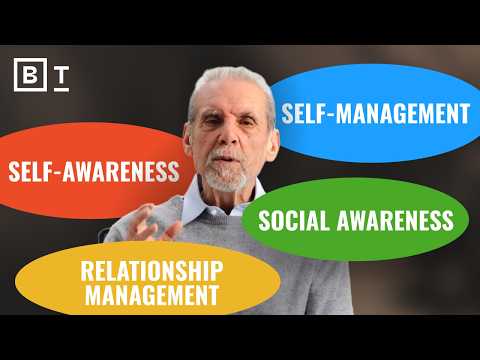
Emotional intelligence, or EQ, is super important because it helps us navigate through life’s ups and downs. Basically, it’s all about understanding and managing our own emotions while also being aware of how others feel. There are four main components that make up emotional intelligence.
1. Self-Awareness
This is all about recognizing your own emotions and how they affect your thoughts and behavior. It’s like having a mirror that reflects not just your face but what’s going on inside. For example, imagine you’re in a tense meeting. If you can feel yourself getting angry, you might take a deep breath instead of snapping at someone.
2. Self-Management
Once you know what you’re feeling, the next step is to manage those feelings appropriately. This means controlling impulsive feelings and behaviors while also adapting to changing circumstances. Think of it this way: if you’re frustrated, instead of yelling or shutting down, you find a productive way to express that frustration—maybe by taking a break to calm down or discussing the issue constructively.
3. Social Awareness
This component is all about empathy—understanding others’ emotions and perspectives. It’s not just about knowing how someone else feels; it’s actively listening to them without interrupting or jumping in with your own story right away. Picture a friend who looks upset but hasn’t said anything; if you notice their body language or tone of voice changing, that’s social awareness kicking in! You might approach them gently and ask if they want to talk.
4. Relationship Management
This involves using the skills from the other three components to maintain healthy relationships with others. It’s about clear communication and conflict resolution, which can be tougher than it sounds! Imagine having a disagreement with someone close to you—maybe it’s your sibling or partner—and instead of letting it blow up into a full-on fight, you calmly discuss what went wrong and work toward solutions together.
So yeah, emotional intelligence is like having a toolkit for better interactions in life! When you’re self-aware and can manage your feelings, plus empathize with others while keeping relationships strong, everything gets just a little easier—like navigating through life with fewer bumps along the way!
Emotional intelligence, or EI for short, is like that secret sauce in a recipe that just makes everything better. It’s a blend of understanding your own feelings and being able to grasp how others feel too. You know, it’s not just about being smart; it’s about being smart with emotions.
Let me tell you a little story. A few years back, my friend Sam was always the one trying to keep our group together. Whenever there was drama or tension, he somehow knew exactly what to say to diffuse it. One day, we had this huge fight over something trivial—it was all kinds of messy. But Sam walked in and didn’t freak out. He listened first, really listened, and then shared his perspective without any judgment. That’s emotional intelligence right there! He read the room and helped us find common ground without making things worse.
So why does EI matter? Well, think about it: when you can recognize your emotions, you can actually manage them better. Instead of snapping at someone when you’re upset or shutting down when you’re sad, you start to respond in healthier ways. It’s like having a little manual for your brain that helps you navigate tricky feelings.
And when you extend that understanding to others? That’s where the magic happens! Empathy—feeling what someone else feels—can strengthen relationships and build trust like nothing else can. If you’ve ever felt truly heard by someone during a tough time, then you know how powerful that connection can be.
But here’s the catch: not everyone grows up learning these skills naturally. Some people have to work at it more than others! It’s totally okay though; emotional intelligence is like a muscle—you can strengthen it over time with practice and awareness.
In today’s fast-paced world where we often rush through life without stopping to check in on ourselves or those around us, focusing on emotional intelligence can lead to deeper connections and even better mental health. When people are emotionally intelligent, they tend to handle stress better too; they don’t spiral out as easily when things go wrong.
So next time you’re faced with a tough situation—whether it’s an argument with a friend or feeling overwhelmed at work—take a minute to breathe and reflect on what you’re feeling first before reacting. And if there are other people involved? Consider where they might be coming from too.
Seriously! Embracing emotional intelligence isn’t just good for «winning» social interactions; it’s foundational for our mental well-being overall! Plus, who doesn’t want stronger relationships? It’s all about fostering understanding and kindness—and we could definitely use more of that these days!