You know, childhood is such a wild ride. It’s filled with ups and downs, laughter and tears. Kids are like little emotional sponges, soaking up everything around them. Seriously, it’s fascinating!
Have you ever watched a toddler throw a fit over a toy? They shift from joy to rage in seconds! That’s where the magic happens—those moments shape their emotional world.
So, let’s chat about emotional growth in childhood. We’ll peek into how kids learn to handle feelings. And yeah, it’s not just about the happy stuff; it’s about dealing with everything life throws their way.
Ready to explore how these tiny humans navigate their big feelings? It’s going to be quite the journey!
Understanding Emotional Growth in Childhood: A Psychological Perspective (PDF)
Emotional growth in childhood is such a fascinating topic! It’s like watching a little flower bloom, you know? Kids start out with basic emotions and, over time, learn to navigate the complex world of feelings.
So, what exactly is emotional growth? Well, it’s the process where children learn to identify, express, and manage their emotions. This happens through various stages of development. Think of it as a building block system; each new skill they acquire lays the foundation for the next one.
Here are some key points about emotional growth in childhood:
Emotional growth doesn’t just happen on its own; it’s influenced by many factors like family environment, social interactions, and cultural context. A supportive family can foster emotional awareness by encouraging open conversations about feelings.
And let’s not forget the role of play! Seriously! Playtime isn’t just fun; it helps kids practice social skills and work through emotions in a safe environment. For instance, when kids play pretend with each other, they explore different roles and situations—helping them learn about cooperation and conflict resolution.
Sometimes you can see this growth manifesting dramatically. Picture this: two siblings fight over a toy. After some mediation (let’s say by mom), they start discussing how each one feels—a real breakthrough! This type of interaction not only helps solve the issue but also builds essential skills for future conflicts.
In sum, understanding emotional growth in childhood is like piecing together an intricate puzzle that shapes who we become as adults. It’s magical how these little beings evolve emotionally from toddlers into teenagers brimming with awareness and empathy. So whenever you observe those tiny moments where emotion meets understanding, remember—it’s all part of that amazing journey toward becoming emotionally savvy individuals!
Understanding the 5 Stages of Emotional Development: A Comprehensive Guide
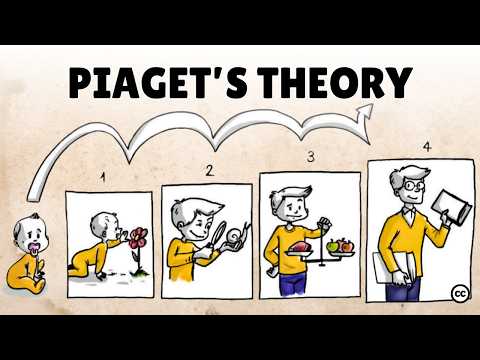
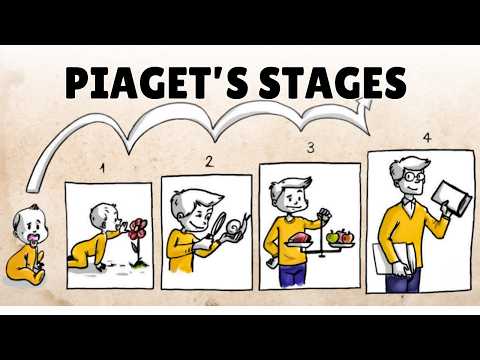
Emotional development in childhood is a fascinating journey, right? It shapes how we handle feelings and navigate relationships later in life. You might have heard of the five stages of emotional development, often linked to the work of psychologists like Erik Erikson and others. It’s like a roadmap through childhood that shows how kids learn to understand and express their emotions. Let’s break it down!
1. Trust vs. Mistrust (0-1 year)
This stage happens when babies are figuring out if they can trust the world around them. It’s all about basic needs—food, comfort, safety. If caregivers are responsive and consistent, babies feel secure and learn to trust others. Otherwise, they might grow up feeling anxious or suspicious.
2. Autonomy vs. Shame and Doubt (1-3 years)
Here’s where toddlers start exploring their independence! They want to do things on their own, like dressing themselves or using the potty. If encouraged and supported by parents, they develop confidence. But if they’re overly criticized or controlled, they might feel shame or doubt their abilities.
3. Initiative vs. Guilt (3-6 years)
This stage is full of imagination! Kids begin taking initiative in play and other activities. They’re figuring out what they enjoy and who they want to be, which can lead to creativity but also occasional feelings of guilt when they’re told “no.” Parents can help by encouraging exploration while setting healthy boundaries.
4. Industry vs. Inferiority (6-12 years)
During these school years, kids start feeling more competent as they learn new skills—like math or sports! Success in school or other activities builds a sense of industry, while constant failure can lead to feelings of inferiority. So teachers and parents have this big role in helping kids build confidence through praise and support.
5. Identity vs. Role Confusion (12-18 years)
This is the teenage phase where figuring out who you are becomes super important! Teens explore different identities through friendships, hobbies, even fashion choices! It can be confusing because they’re balancing societal pressures with personal desires.”
You know what? Each stage flows into the next; it’s not totally rigid like a checklist but more like layers that build upon one another. If kids miss learning something in one stage because of negative experiences or lack of support from adults, it can lead to challenges in future stages.
If you’ve seen a child struggle with emotion regulation later on—like maybe having trouble making friends—it could tie back to these early stages not going smoothly.
The cool thing is that understanding this process helps us create supportive environments for children as they grow up! So reflecting on these stages reminds us that emotional growth is essential for mental well-being throughout life.
Exploring Emotional Development: Key Examples and Strategies for Growth
Emotional development is a fascinating journey, especially during childhood. It’s like watching a little one grow into themselves, figuring out how to feel, express, and manage their emotions. Understanding this growth can help you support those kids in your life or even reflect on your own experiences.
What is Emotional Development?
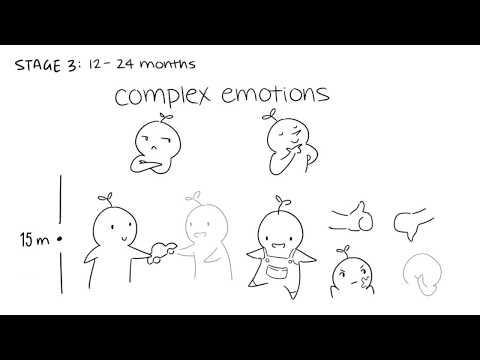
At its core, emotional development refers to how people learn to recognize, express, and regulate their feelings. You know how as kids we often felt things so intensely? That’s normal! Children start recognizing emotions really early on—think about a baby crying when they’re hungry or smiling when they see someone they love.
Key Stages of Emotional Growth
There are several key stages in emotional development, especially in childhood. Here are some highlights:
- Infancy: In these early months, attachment is crucial. Babies bond with caregivers and start feeling secure or anxious based on how those adults respond to their needs.
- Early Childhood: This is when kids begin to identify basic emotions like happiness, sadness, and anger. They might have meltdowns over losing a favorite toy because they don’t yet understand that it’s just a temporary setback.
- Middle Childhood: As children grow older (around ages 6-12), they become better at understanding more complex feelings like jealousy or empathy. They can start realizing that others have emotions too!
- Adolescence: This stage can be turbulent—you’ve probably been there! Teens often experience intense emotions and may struggle with identity issues as well.
Anecdote Time!
Here’s a little story for you—remember that time you were at the playground watching kids climb those jungle gyms? There was this one little girl who seemed so excited but then got really upset after falling down. What happened was her friend came over and said something soothing. The girl calmed down a bit after realizing she wasn’t alone in feeling hurt; it was such an amazing moment of connection!
Strategies for Supporting Emotional Growth
Want to help boost emotional development? Here are some simple strategies:
- Create a Safe Space: Make sure kids feel comfy expressing themselves without fear of judgment. That safe space encourages them to share what they’re feeling.
- Name Those Emotions: Talk about feelings openly! Use books or movies as examples to point out different emotional expressions—that helps kids connect the dots.
- Model Healthy Expressions: Show them how it’s done! Expressing your own feelings in healthy ways teaches them that it’s okay to talk about what they’re experiencing.
- Help children understand others’ perspectives by asking questions like “How do you think your friend felt when…?” By doing this, you’re boosting their ability to relate emotionally!
Ultimately, emotional development is not just about learning feelings; it also shapes relationships and coping mechanisms for life. The skills learned during childhood form the foundation for navigating adult experiences—so every smile or cry counts!
So next time you see those kiddos around you navigating their ups and downs, remember—you’re witnessing growth firsthand! It’s all part of the wild ride of being human.
So, let’s talk about emotional growth in childhood. Seriously, it’s like watching a little flower bloom, right? Kids start off with all these big feelings—joy, anger, frustration—but they don’t really know how to handle them. It’s kinda wild when you think about it. Like, remember when you were a kid and something small could turn into a huge meltdown? Or maybe that time you felt all giddy and couldn’t stop laughing at nothing? Those moments are super important.
From a psychological standpoint, emotional growth is like building blocks. Kids learn to recognize what they feel and then figure out how to express those feelings. You know how toddlers throw tantrums? That’s basically them saying, “I’m upset but I don’t have the words for it!” As they grow older, they start putting names to those emotions: anger, sadness, joy—you name it. It’s pretty amazing how they go from instinctual reactions to more nuanced responses.
Take my friend Sarah’s son as an example. He once got really upset because his friend wouldn’t share their toys. Instead of just crying or lashing out—like he used to—he took a deep breath and asked his friend if they could take turns instead. That moment was so heartwarming! It showed he was learning empathy and communication skills. He wasn’t just feeling; he was processing those feelings in a healthy way.
Now, the environment plays a big part too. Parents or caregivers who model healthy emotional responses are like guiding lights for kids navigating this sometimes rocky terrain. If kids see adults talking about their feelings openly and calmly resolving conflicts, they’re more likely to imitate that behavior themselves.
But here’s where it gets tricky: not all kids have the same emotional toolkit based on their backgrounds or experiences. Some may struggle more than others because of various reasons—family dynamics, social pressures, or even mental health concerns. So it’s crucial that we support each child’s unique journey in this emotional growth process.
In the long run, this emotional education during childhood lays the groundwork for adulthood. Learning how to handle emotions can lead to better relationships and mental health down the line. Basically, when kids grow emotionally in a supportive environment, they’re setting themselves up for success later in life—like having superpowers to deal with whatever comes their way!
So yeah, nurturing emotional growth isn’t just good parenting; it’s kind of like giving kids the tools they’ll need as adults! What do you think? Isn’t it wild to see how far we’ve all come from those little tantrum days?