You know that feeling when your emotions are all over the place? Like one minute you’re chillin’, and then outta nowhere, you’re ready to explode? For a lot of folks with ADHD, this can be a daily reality. Seriously.
Emotional dysregulation is a big term that really just means struggling to manage emotions. It’s kinda like having your emotional volume stuck on max. You get overwhelmed, frustrated, or even super excited way more easily than most people.
Think about it: imagine trying to focus in class or at work while dealing with these wild emotional swings. It can be tough! No wonder so many people with ADHD feel misunderstood. They’re not just being dramatic; their brains are wired differently.
So, let’s break it down and chat about what’s going on in those emotional rollercoasters. There’s a lot to unpack here!
Effective Strategies for Treating ADHD Emotional Dysregulation: Insights and Solutions
Understanding ADHD Emotional Dysregulation
Okay, so let’s chat about emotional dysregulation in people with ADHD. Basically, this means they have a tough time managing their emotions. Picture this: someone gets a little frustrated over something small, like their favorite pen running out of ink. For someone with ADHD, that might feel like an avalanche of feelings. It’s not just “I’m disappointed.” It’s more like a rollercoaster ride where every dip feels way more intense.
Why Does This Happen?
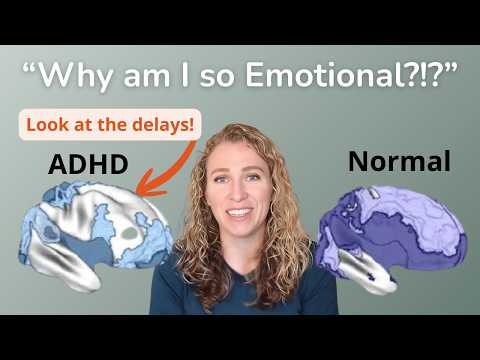
You see, emotional dysregulation often occurs because the brain processes emotions differently in those with ADHD. The prefrontal cortex, responsible for impulse control and emotional regulation, might not function optimally. This leads to reactions that seem overblown or disproportionate to the situation. So when that pen runs out? Yeah, tears could flow or anger could flare up instead of just brushing it off.
Effective Strategies for Managing Emotional Dysregulation
- Mindfulness Practices: Mindfulness can help calm the storm inside. Simple techniques like deep breathing or grounding exercises can make a real difference. Imagine taking a few minutes to feel your feet on the ground and focus on your breath before reacting to stress.
- Cognitive Behavioral Therapy (CBT): This isn’t just therapy chatter; CBT helps you identify and change negative thought patterns. If you catch yourself thinking “I can’t stand this!” when things go wrong, CBT teaches you to reframe those thoughts into something more manageable.
- Routine Building: Having a predictable routine can be super beneficial. When days have structure, it lessens uncertainty and creates stability—a win-win for regulating emotions! Think about how much easier it is to deal with life when you know what’s coming next.
- Expressive Arts: Sometimes words aren’t enough, right? Engaging in art or music lets those feelings spill out without needing a filter. A sketchbook or playing an instrument can be great outlets for intense feelings.
- Sensory Tools: For some people with ADHD, sensory input helps ground them during emotional highs and lows. Fidget spinners or stress balls aren’t just for kids—they’re practical tools that redirect that pent-up energy! You know, squeezing something tight could feel way better than yelling at someone!
The Importance of Support Systems
Having strong support from friends and family is huge. They need to understand what’s going on so they can help during tough moments. That way, instead of feeling isolated in their feelings, they’ll find comfort knowing they’re not alone in this journey.
A Personal Touch
Consider someone I know named Jamie who struggled with this stuff growing up. Whenever she faced criticism at school—like missing an answer on a test—her world would just drop out beneath her feet! But after learning to use mindfulness techniques and having supportive friends who listened without judgment? Well, she turned those intense moments into opportunities for growth instead.
So basically, managing emotional dysregulation when you’ve got ADHD isn’t just about one strategy; it’s a blend of tools and support systems tailored to each individual’s needs! This journey looks different for everyone, but it definitely doesn’t mean facing those tough emotions all alone anymore!
Understanding ADHD Emotional Dysregulation: Impact on Relationships and Effective Coping Strategies
ADHD, or Attention Deficit Hyperactivity Disorder, often comes with a little something extra: emotional dysregulation. Essentially, it’s like having your feelings on a roller coaster that you didn’t sign up for. You might be going along smoothly one minute, and the next you’re in a free fall of intense emotions.
What is Emotional Dysregulation? Well, it refers to the difficulty some individuals with ADHD have in managing their emotions. You know how sometimes you feel super overwhelmed by stress or frustration? For someone with ADHD, those feelings can escalate really quickly. This means they might react more intensely than expected to everyday situations.
Imagine this: You’re having dinner with friends and suddenly someone makes a joke about something you’re sensitive about. A person without ADHD might laugh it off or just feel a bit embarrassed. But someone with emotional dysregulation might end up feeling hurt and angry much more intensely—maybe even lash out unexpectedly.
This kind of extreme emotional reaction can be tough on relationships. Partners, family members, or friends may not know how to respond. They might think the person is overreacting or misinterpreting the situation entirely when in reality, it’s just that their emotions are running high.
How does this impact relationships? There are several ways:
- Misunderstandings: A lot of times, people around someone with ADHD may not grasp why they reacted so strongly. This can lead to feelings of isolation for the one experiencing dysregulation.
- Tension: Constant fluctuations in mood may create tension within relationships. If your partner feels they have to tiptoe around your emotions, that can strain things.
- Lack of support: Friends and family might not always know how to help or what to say when emotions run high—this can leave everyone feeling frustrated.
The good news? There are ways to cope! It’s all about finding strategies that work for you and those around you.
- Acknowledge Your Feelings: Just recognizing that you’re feeling intense emotions can be a game-changer. It’s okay to say out loud “I’m feeling really angry right now.” This can help others understand what you’re going through.
- Pacing Yourself: If possible, take a moment before reacting. Count to ten or even step outside for fresh air; give yourself time to cool down before responding impulsively.
- Communicate: Talk about your experience! Let potential partners or friends know that while your feelings may sometimes feel overwhelming; it’s not them—it’s part of your condition.
The impact of emotional dysregulation in ADHD doesn’t have to define your relationships. With some understanding and effective coping strategies in place, connections can become much stronger over time!
Your journey with ADHD may include ups and downs with your emotions but remember: it’s okay! What matters is learning how best to navigate those intense feelings so life—and love—can flow a little easier.
Understanding ADHD Emotional Dysregulation: Key Examples and Insights
Emotional dysregulation in ADHD is a pretty common topic, and it’s something that affects a lot of people. Basically, it refers to the trouble some individuals with ADHD have when trying to manage their emotions. It’s not just about getting angry or feeling sad; it’s like having a rollercoaster of emotions where the ups and downs happen way faster than for someone without ADHD.
When you think about ADHD, you might picture someone struggling to focus or being fidgety. But what’s often overlooked is how these emotional ups and downs can impact daily life. For example, let’s say you’re working on a project at school or work. Suddenly, something doesn’t go your way—maybe you messed up a part of it or got some feedback that wasn’t super positive. For someone without ADHD, they might feel frustrated but can usually calm down and figure out the next step. But for someone with ADHD, that feeling can explode into full-on panic or sadness in an instant.
Here are some key insights into this emotional chaos:
A good analogy here is when you’re watching an intense movie scene; if you’re really engaged, those feelings seem bigger than life itself! That can happen with everyday situations for someone dealing with these emotional challenges.
Think about a kid who misses their bus—a typical moment that could cause frustration for anyone. For most kids, sure it’s annoying but manageable. Now picture the kid with ADHD: missing that bus might trigger overwhelming anxiety or rage about being late and disappointments that follow after.
The emotional experience isn’t just limited to outbursts either. There are also moments when sadness creeps in unexpectedly. One minute everything seems fine; next thing you know, there goes a wave of gloom coming outta nowhere!
It’s essential to understand these responses aren’t deliberate; they stem from brain differences related to attention regulation and executive functions—basically how we process information and plan ahead.
Also worth mentioning is how emotional dysregulation doesn’t exist in isolation—it often tags along with challenges in social situations too! You might find yourself overreacting during group activities because it feels overwhelming or misreading social cues because your mind’s racing too fast.
Navigating all this can be tough—you want to control those feelings but sometimes it’s just hard! Support systems play a big role here—like family members or professionals who get these ups and downs can make things easier to handle.
In short, understanding emotional dysregulation within the context of ADHD helps us grasp why these waves of emotion hit so hard sometimes—because under all this chaos lie unique brains experiencing life differently than most!
You know, emotional dysregulation is one of those topics that often flies under the radar when we talk about ADHD. Most people think of the classic symptoms: inattention, hyperactivity, and impulsivity. But what’s a little less obvious is how folks with ADHD sometimes struggle to manage their emotions, and man, can that get overwhelming.
Picture a kid named Jake. He’s your typical seven-year-old, full of energy and curiosity. One day at school, a classmate accidentally bumps into him, and instead of just brushing it off like most kids would, Jake suddenly flips out. He starts shouting and crying, feeling totally out of control. In that moment, his feelings blast through the roof like fireworks—anger mixed with sadness—and it’s not easy for him to dial it back down.
This situation shows how emotional regulation—or lack thereof—works in ADHD. You see, for people with ADHD, their brains might process emotions differently or have trouble managing those big feelings in real time. It’s not just about being “extra sensitive” or dramatic; there are actual neurological factors at play.
But here’s where things get tricky: when emotional responses are intense and unpredictable, it can affect relationships, school performance, and overall well-being. Imagine being the teacher in Jake’s class trying to manage this rollercoaster of emotions while also juggling the curriculum! It’s tough on everyone involved.
So what does this mean from a psychological perspective? Well, it’s all about understanding that these reactions aren’t just behavioral issues; they often stem from deeper cognitive processes. People with ADHD might struggle to recognize their emotions as they arise or to find healthy ways to cope with them. They could benefit from learning techniques that improve their emotional awareness and management skills.
But don’t get me wrong! This isn’t just about finding solutions for academic success or social acceptance— it’s about fostering a sense of self-acceptance too. Helping someone like Jake learn about his emotions can transform how he interacts with the world around him.
In a nutshell? Emotional dysregulation is an important piece of the ADHD puzzle that deserves more attention than it usually gets. So if you notice someone having explosive reactions or feeling overwhelmed by their feelings—it could be more than just what’s on the surface; it’s worth digging deeper!